
Common Procurement Hazards: Distinguish Genuine Reman from Cosmetic Refurbishment
Introduction
For global fleet buyers, the biggest pitfall in genuine reman vehicle procurement lies in blurred terminology. Many suppliers sell simply repainted, cleaned trucks under the “remanufactured” label.
Cosmetic refurbishment only improves visual appearance while leaving hidden structural and mechanical defects untouched. These misrepresented assets seem cost-effective at first glance, yet they trigger frequent breakdowns, soaring maintenance bills and huge downtime losses later.
Understanding these common procurement hazards and learning to separate genuine reman from cosmetic refurbishment is essential to protect your fleet asset investment.
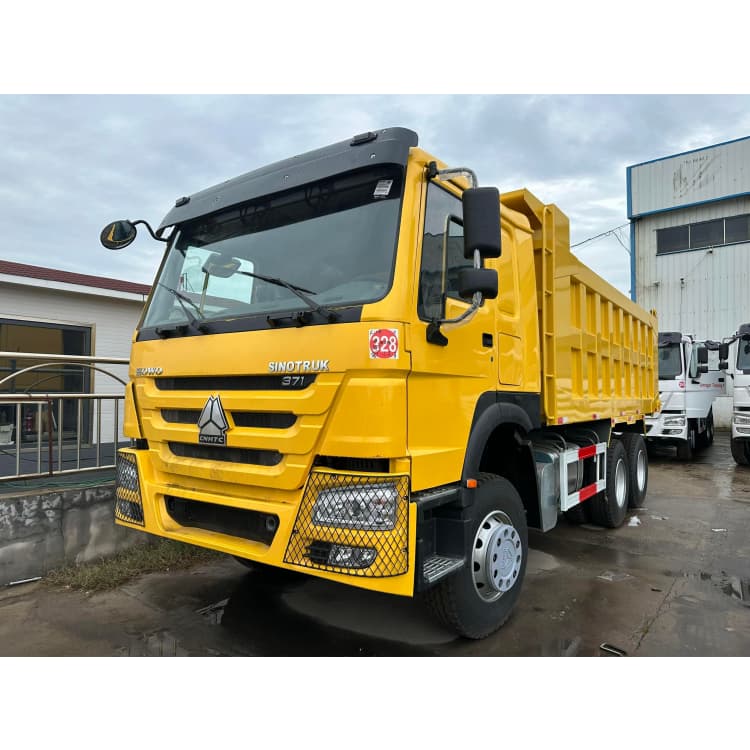
The Core Marketing Trap: Misusing the Term “Remanufactured”
Unscrupulous suppliers take advantage of inconsistent market definitions to confuse buyers. They use words like “rebuilt”, “refreshed” or “refurbished” for vehicles that only go through surface fixes.
Typical cosmetic work includes repainting body panels, cleaning engine surfaces, replacing damaged tires and tidying up the cabin. No full disassembly, metal fatigue testing or core component regeneration is performed.
The vehicle’s underlying wear, frame cracks and aging powertrain remain unresolved. Buyers who judge quality merely by appearance will easily fall into this trap.
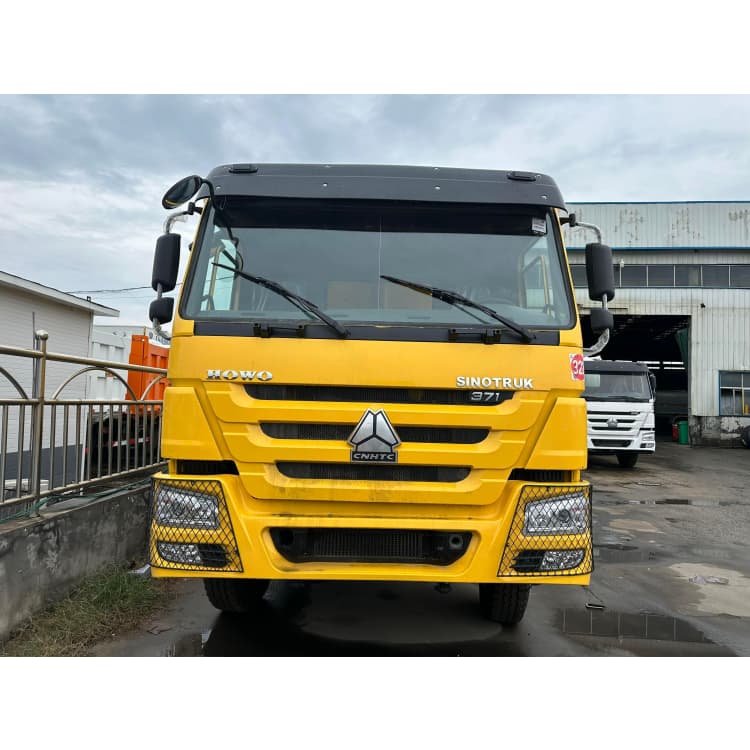
Hidden Risks Brought by Cosmetic Refurbished Vehicles
Cosmetic renovation only covers visible flaws instead of solving root mechanical problems. Micro cracks on load-bearing frames, degraded bearings, aging brake assemblies and fatigued hydraulic parts stay undetected.
Once these vehicles operate under heavy load in mining or construction sites, sudden failures may occur. Unplanned breakdowns halt project progress, incur contract penalties and raise emergency repair costs.
In many cases, the accumulated post-purchase expense far exceeds the initial savings on procurement price, pushing up the full-lifecycle TCO sharply.
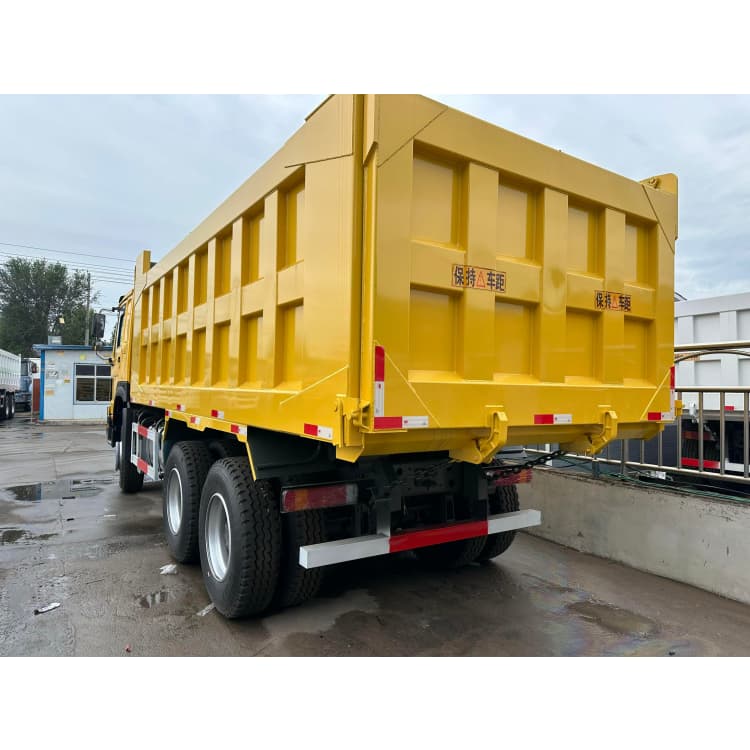
Core Differences Between Genuine Reman and Cosmetic Refurbishment
Genuine remanufacturing follows standardized, measurable procedures. The whole vehicle is fully disassembled down to individual components. Every part undergoes deep cleaning and inspection. Non-destructive testing checks frame integrity, and all high-risk consumable parts get mandatory renewal.
Restored components are reassembled and go through multi-stage bench tests and full-vehicle dynamic load tests. A complete traceable file covering the whole reman process is generated. By contrast, cosmetic refurbishment skips nearly all these critical steps.
It requires no full teardown, no structural detection and no systematic performance calibration. There are no formal test records or traceability documents. Good paint does not equal reliable asset performance.
Practical Verification Methods for Fleet Buyers
Fleet procurement teams should rely on documentation and testing rather than visual inspection.
- First, request the complete reman file package: base unit screening report, disassembly log, component replacement list, non-destructive inspection data and final acceptance certificate. Cross-check all records against the vehicle VIN.
- Second, arrange third-party technical inspection focusing on frame fatigue, powertrain health and brake system performance.
- Third, confirm whether the supplier provides a formal warranty backed by standardized reman criteria, instead of vague verbal promises.
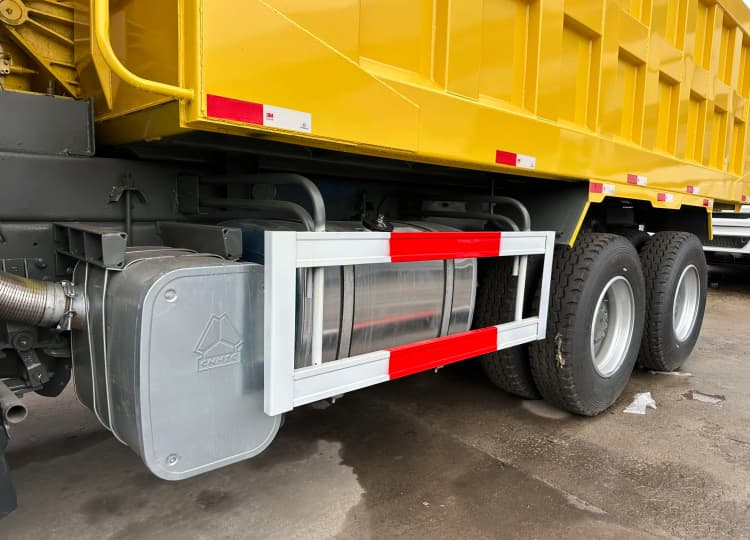
How to Avoid Procurement Hazards?
Set clear screening rules before selecting suppliers. Prioritize vendors with publicly released, quantifiable reman standards and proven fleet project references. Reject suppliers who refuse to release detailed process records and only push low prices.
Build acceptance clauses into contracts, specifying inspection indicators and liability for non-compliant units. Avoid rushing purchase decisions based only on low upfront cost and shiny exterior.
Conclusion
Confusing cosmetic refurbishment with genuine remanufacturing remains the most pervasive procurement hazard in the heavy equipment market. Genuine reman is defined by standardized full-process regeneration, complete traceable records and verified safety performance, not attractive paintwork.
By mastering the identification methods above, fleet buyers can filter low-quality assets, reduce operational risks and capture the real TCO benefits of certified reman vehicles.