Structural Defect Risks Hiding Inside Fake Reman Trucks
Intro
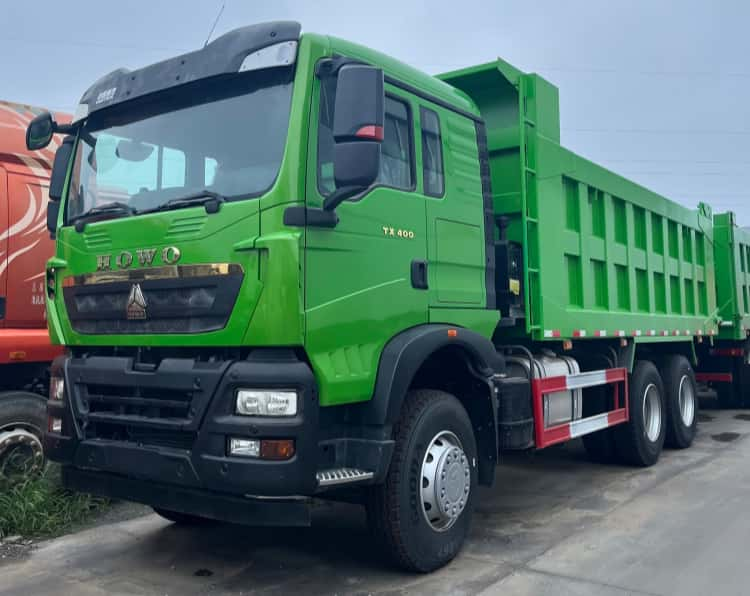
Fake remanufacturers rely on visual deception. They repaint rusted chassis, replace tyres and cabin trim, and attach counterfeit certification labels, while skipping the rigorous structural screening that defines genuine truck remanufacturing.
For dump trucks and heavy haul tractors operating on uneven quarry and mine sites, structural damage does not always show on the surface. Subsurface fatigue cracks, hidden corrosion thinning and unapproved makeshift welds can remain invisible for weeks or months, until repeated shock loading triggers sudden, catastrophic failure.
Unlike cosmetic refurbishment, REMAN ROAD genuine truck remanufacturing workflow treats structural integrity as the first quality gate. Every load-bearing component goes through cleaning, NDT scanning, dimensional measurement and controlled weld procedures, with all results locked to the VIN traceability log. This article breaks down the most dangerous hidden structural defects found in fake reman trucks, how they are concealed, and what consequences they bring to fleet operators.
Frame rail: hidden fatigue cracks and patched crash damage
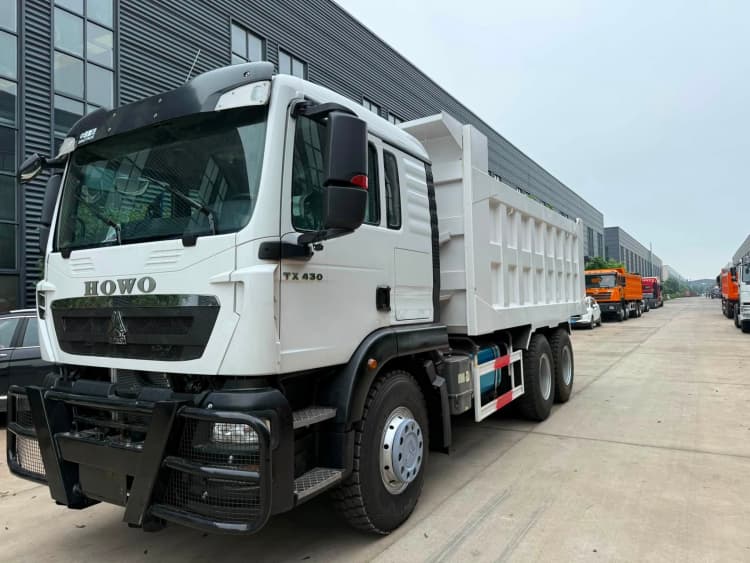
The ladder frame is the truck’s backbone, and it is the most commonly compromised part in fake reman trucks. Many fake units are built from accident-damaged cores that have suffered frame bending, twisting or impact cracking. Fraudsters use body filler, grinding and paint to cover crack openings, and perform quick, unqualified welds without pre-scan or post-repair NDT verification.
High-stress hotspot zones — spring hangers, crossmember joints, suspension brackets and dump body mounting points — are where fatigue cracks propagate fastest under cyclic off-road loading. Visual inspection alone cannot detect subsurface crack tips or fatigue zones that sit just below the paint layer. When pushed under full payload, these hidden cracks spread rapidly, leading to frame splitting, chassis twisting and total loss of vehicle control.
Fake remanufacturers also frequently skip laser frame straightness checks. Minor twist and bend left from past collisions create uneven load distribution, accelerating wear on axles, suspension and tyres and multiplying stress on already weakened frame sections.
Axle housing and load-bearing casting defects
Axle housing failure is one of the most hazardous breakdowns for heavy-duty dump trucks. In fake reman trucks, axle housings are rarely fully stripped and NDT inspected. Old cores with weld porosity, circumferential weld cracks, corrosion thinning and boss fatigue are simply cleaned externally and reassembled.
A cracked axle housing will often hold together for dozens of loaded trips before splitting. When it fails, the wheel and hub assembly can separate from the truck on-site or on public roads. Fake remanufacturers also reuse axle housings with stretched bolt holes, deformed spring seats and journal wear, relying only on visual checks instead of ultrasonic thickness and magnetic particle testing. No bench leak test or pre-load validation is completed before delivery, turning a slow-growing defect into an emergency safety event.
Poorly controlled weld repairs and heat-affected zone brittleness
Welding is not a simple fix for structural steel. Under REMAN ROAD genuine truck remanufacturing standards, structural welds are only permitted in defined low-stress zones, with qualified weld procedures, pre-heat control and post-weld NDT. Fake reman shops ignore these rules.
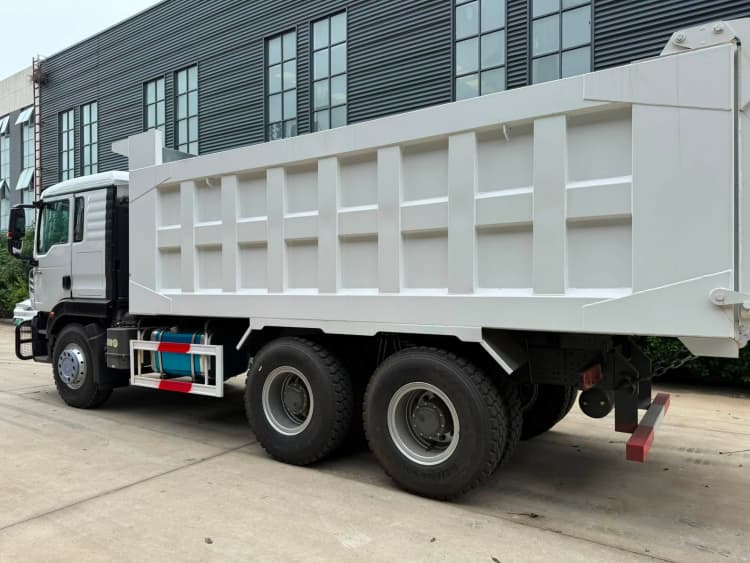
They perform rapid, unqualified weld build-up on high-tension frame flanges, crack zones and suspension brackets. The heat of uncontrolled welding creates brittle grain structures in the heat-affected zone. These welds may look solid on the surface, but they are far more prone to re-cracking under vibration and impact. Multiple overlapping patch welds are common, and there is no record of weld size, penetration or hardness testing. These rushed repairs are ticking time bombs for off-highway fleets.
Internal corrosion and subsurface pitting
Corrosion mapping is a mandatory REMAN ROAD genuine truck remanufacturing step, but fake remanufacturers only treats surface rust. Chassis rails, crossmembers and axle housings often have deep, hidden pitting inside closed frame sections, caused by water, mud and chemical exposure over years of site work.
Surface paint hides pitting depth. Once the steel wall thickness drops below the minimum allowable threshold, the component loses its load rating. Even if no crack exists at delivery, cyclic loading will quickly initiate fatigue at pitting valleys. Coastal and high-humidity operating environments accelerate this failure, often within the first few months after purchase.
Suspension bracket and trunnion pin hidden wear
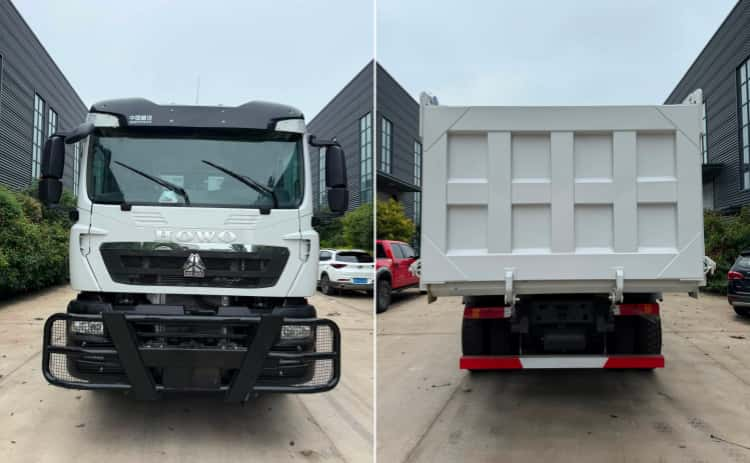
Suspension brackets, trunnion pins and bogie mounts absorb constant impact from rough ground. Fake remanufacturers crews rarely remove these components fully; they lubricate worn pins and re-bolt corroded brackets instead of grading, testing or replacing them.
Microcracks in bracket welds and elongated mounting holes are masked by grime and paint. As the truck cycles between loaded and empty states, the loose, worn connection amplifies vibration and shock, transferring extra stress into the main frame. Sudden bracket separation can cause the suspension to collapse mid-trip, blocking site haulage and endangering the driver and surrounding workers.
The real cost of structural defects: safety, liability and downtime
These hidden structural defects carry far higher costs than the purchase-price saving of a fake reman truck. A frame or axle failure can lead to rollover, load spillage and serious injury. Fleet operators face liability claims, insurance denials and permanent reputational damage. Even without an accident, structural failures trigger multi-week downtime, emergency rental costs and missed contract milestones.
Unlike REMAN ROAD standardised reman trucks, fake reman trucks carry no auditable structural evidence. When a defect emerges, there is no NDT record, no weld log and no third-party audit trail to support warranty coverage. Sellers typically disappear or refuse responsibility once the truck leaves their yard.
How REMAN ROAD’s genuine truck remanufacturing workflow eliminates these risks?
REMAN ROAD genuine truck remanufacturing workflow starts with structural rejection rules. Any core with propagating frame cracks, excessive pitting or irreparable axle housing damage is scrapped immediately. All high-stress zones are cleaned bare and scanned by Level 2 NDT technicians.
Approved straightening and weld repairs are followed by re-scanning to confirm no new defects have formed. Every measurement, photo and test report is permanently attached to the VIN traceability log and reviewed by independent auditors before certification release.
Important guardrail
Even fully REMAN ROAD standardised reman trucks are built for a fixed duty classification. NDT and structural renewal reset the baseline integrity, but they cannot make a truck immune to overload, repeated high-impact operation or skipped pre-trip inspections. Duty matching remains essential to preserve structural service life.
Final Takeaway
Fake reman trucks hide structural defects under paint, and these defects rarely announce themselves until it is too late. For fleet buyers, the key takeaway is simple: cosmetic refurbishment cannot fix subsurface fatigue, compromised axle housings or bad welds. REMAN ROAD’s NDT-first structural inspection and traceability rules are the only reliable way to ensure your truck’s load-bearing steel is safe before it enters your site.