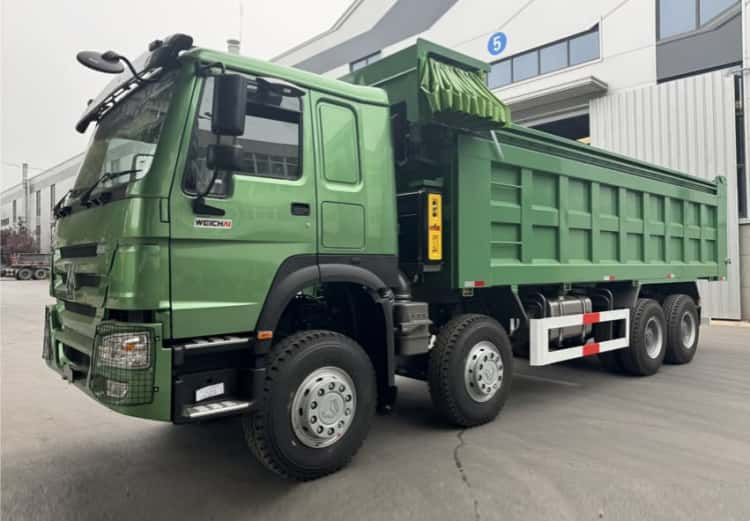
Procurement Pitfalls: How Unverified Reman Trucks Cause Unexpected Downtime?
Intro
Many fleet buyers treat “reman” as a reliable, low-risk asset class. Unverified reman trucks are merely cosmetic refurbishment, lacking the engineered controls of certified lifecycle reset. Defects stay dormant at delivery and only surface under real working load, triggering unplanned downtime that disrupts schedules and blows up operating budgets.
Skipped structural inspection leads to sudden structural failure
Without mapped NDT scans and corrosion thickness checks, microcracks, pitting and residual stress on welds, frame flanges and hoist brackets remain hidden. These defects propagate quickly under repeated tipping, rough terrain and cyclic shock loads. Breakdowns are sudden, require costly recovery and often force immediate site shutdown.
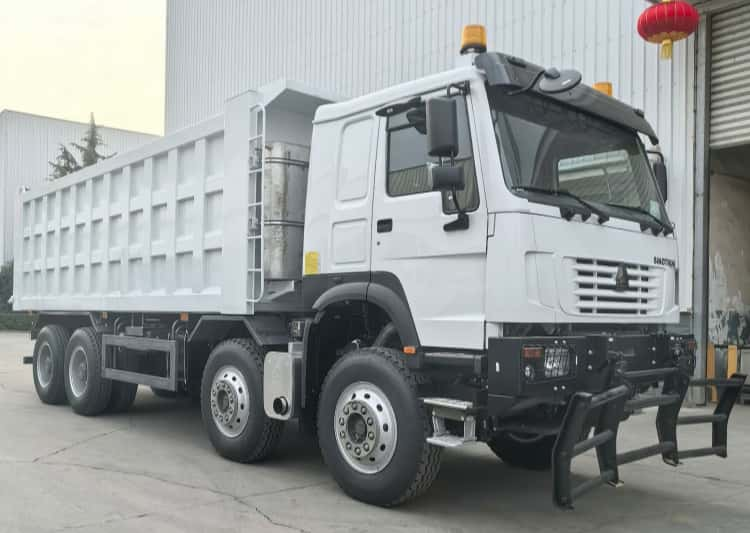
Reused high-cycle wear parts trigger recurring component failures
Unverified reman trucks suppliers skip mandatory renewal rules and reuse aged kingpins, U-joints, seals, brake chambers and suspension fasteners. These parts have already exhausted most of their fatigue life. Failures are intermittent and hard to diagnose, creating repeated, short-notice service stops.
Missing system calibration creates chronic wear issues
Unverified reman trucks individual components may look new, but steering geometry, driveline phasing, brake bias and powertrain tuning are not calibrated as a unified system. Mismatched subsystems produce constant vibration, uneven tyre wear, overheating and leaking seals. These persistent faults drain maintenance resources and cut available working hours.
Overstated load ratings consume safety margin rapidly
Sellers carry over the original OEM GVW without calculating remaining structural reserve. There is no custom duty envelope to restrict payload, terrain or daily cycle limits. When fleets run the truck at the advertised maximum load, the thin safety buffer is rapidly depleted, accelerating all failure modes.
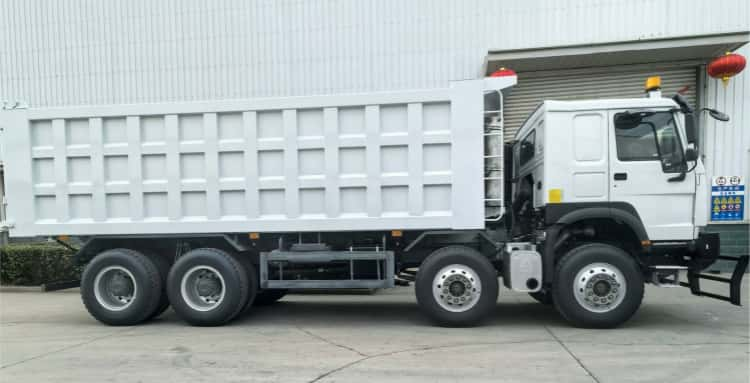
Empty-only testing masks load-dependent defects
All validation is done unladen. Frame flex, driveline vibration and thermal stress under payload are never assessed. The unverified reman trucks performs smoothly on empty test drives, yet develops critical issues once it enters hauling or tipper duty.
Undependable documentation removes troubleshooting support
Reports are generic, untethered to the unit’s VIN, or even repurposed from other chassis. With no traceable baseline inspection data, your team cannot quickly separate misuse from process defects. Warranty recourse is limited or non-existent, leaving the fleet to cover all downtime costs.
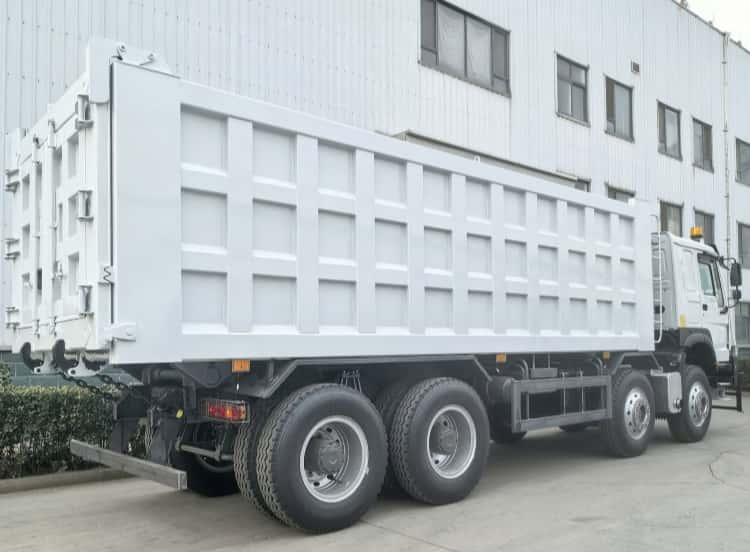
Final Takeaway
Downtime from unverified reman trucks is not bad luck. It stems from skipped core screening, NDT, mandatory part replacement, loaded validation and system calibration. Before purchase, demand traceable engineering evidence, not just a clean exterior and a passing empty test drive.