Heavy Duty Vehicle Remanufacturing 101: The Fundamental Concept
Introduction
If you are a fleet manager, transport business owner or procurement specialist exploring cost-effective heavy-duty vehicle solutions, you have likely encountered the term “remanufacturing”. Many newcomers mix remanufacturing with used trucks, simple repairs or cosmetic refurbishment. This Remanufacturing 101 guide breaks down the fundamental concept of remanufacturing for heavy-duty vehicle assets in plain language, without overly complex engineering jargon.
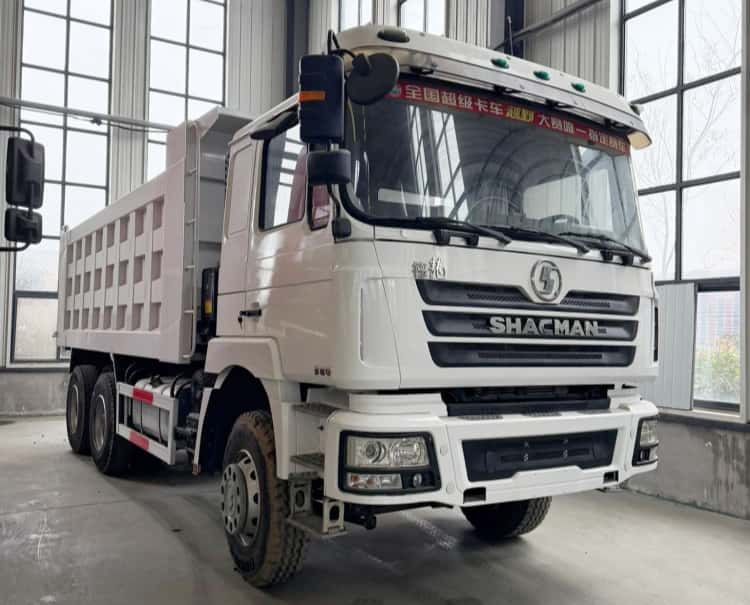
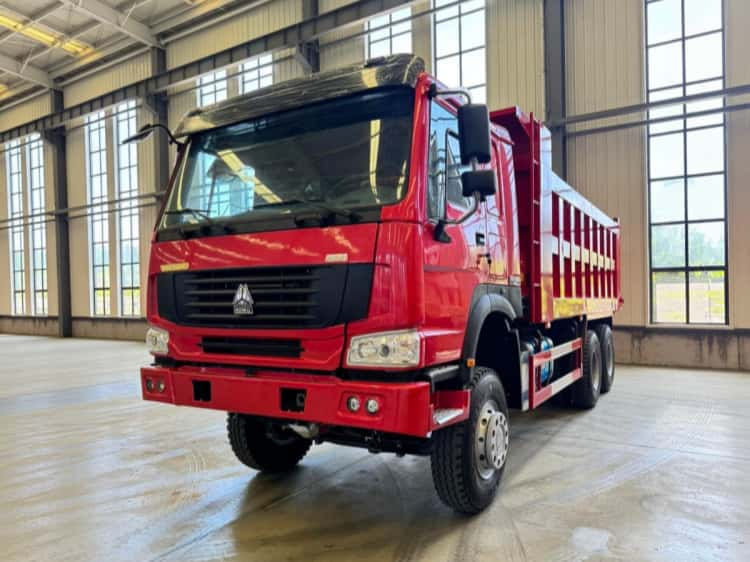
At its heart, heavy duty vehicle remanufacturing is not just fixing a broken truck or repainting an old vehicle. It is a formal, industrial asset regeneration process designed to restore an eligible retired heavy vehicle back to near-new operational performance, and reset its usable service life.
What Is a Heavy-Duty Vehicle Asset?
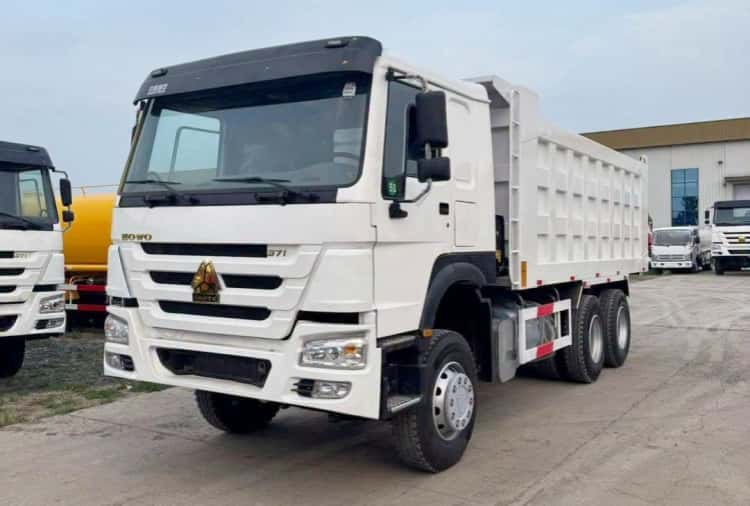
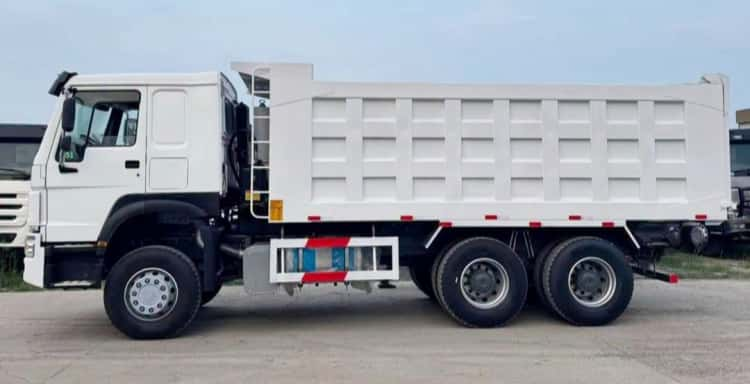
A heavy-duty vehicle asset refers to heavy trucks built for continuous high-load transport. Unlike light passenger vehicles, these heavy assets carry high capital value, operate under severe stress, and generate revenue for transport fleets.
Every heavy truck follows a lifecycle: factory production → years of heavy-duty operation → gradual component wear. When key parts degrade, the vehicle can no longer reliably perform its hauling tasks. At this stage, the truck becomes a retired core. This core is the starting raw material for remanufacturing.
A core does not automatically qualify for remanufacturing. It must pass strict structural screening. Any core with irreparable frame cracks, permanent deformation or advanced metal fatigue will be rejected and sent for scrap. Only structurally sound cores move into the reman workflow.
The Fundamental Concept of Heavy-Duty Remanufacturing
The core idea of remanufacturing can be summarized in one sentence:
Reuse the sound load-bearing metal core of a retired heavy vehicle, replace all fatigue-prone wearing components, restore geometry and performance to OEM specifications, and reset the asset’s service cycle.
This is the critical difference from buying a second-hand truck. A used truck continues its original aging cycle, retaining all accumulated wear and hidden fatigue. A properly remanufactured vehicles undergoes systematic regeneration. Detectable structural defects are removed, wear parts are fully renewed, and performance is calibrated back to factory standards.
The goal is not to “make the truck look new”. The priority is to restore functional reliability and operational capacity for heavy-duty work. Cosmetic finishing is only a final, secondary step.
The Three Core Pillars of Remanufactured Vehicles
Full disassembly and thorough inspection
Genuine remanufacturing requires complete teardown of the whole vehicle. Every assembly — engine, transmission, axles, steering, suspension and braking systems — is stripped down to individual components. All parts are cleaned, inspected and graded.
Visual checks alone are not enough. Critical load-bearing components go through non-destructive testing to uncover invisible cracks and metal fatigue that simple surface inspection cannot detect.
Precision restoration and targeted part replacement
Reusable structural metal components are precision machined to remove wear and restore OEM dimensions. Meanwhile, all fatigue-critical consumable components including bearings, seals, gaskets, brake friction materials and rubber hoses are replaced with brand-new, spec-compliant parts.
These wearing components are the main source of unexpected breakdowns under heavy loads. Reusing aged wear parts is never allowed under genuine remanufacturing standards.
Performance validation and documented traceability
After reassembly, the vehicle must complete controlled performance tests. Dyno testing verifies engine power and torque. Full-load road tests check braking, cooling, thermal stability and fuel economy under rated payload. Only assets that meet OEM performance benchmarks can receive formal reman certification.
A traceable dossier linked to the vehicle VIN records every inspection, test and component replacement step. This documentation proves the asset has gone through the full standardized reman workflow.
Key Concept Distinctions for Beginners
Many misunderstandings come from mixing genuine remanufacturing with other vehicle services.
- Remanufacturing vs Repair: Repair addresses one failed part after a breakdown. Genuine remanufacturing proactively renews the entire vehicle before it enters service.
- Remanufacturing vs Overhaul: Overhaul usually rebuilds a single assembly, most commonly the engine. Genuine remanufacturing covers all major systems across the whole heavy vehicle asset.
- Remanufacturing vs Refurbishment: Refurbishment focuses on cleaning, repainting and fixing obvious leaks. It skips full disassembly, NDT inspection and OEM-level performance validation. Refurbished vehicles only receive cosmetic improvements.
Why Remanufacturing Matters for Fleet Asset Management?
For fleet operators, heavy trucks are revenue-generating assets. Purchasing brand-new heavy trucks demands large upfront capital investment. Ordinary used trucks carry unpredictable failure risks and rising maintenance costs.
Certified remanufactured vehicles create a balanced middle option. They deliver near-new reliability and performance at a lower capital cost than new trucks, with a fully reset service life. Genuine remanufacturing also reduces raw material consumption and embodied carbon, bringing measurable ESG benefits for transport businesses.
Closing Takeaway
The fundamental concept of heavy duty vehicle remanufacturing is industrial asset regeneration. It transforms eligible retired truck cores into reliable, high-performance heavy assets. The value lies in restored structural integrity, renewed wearing components, verified OEM-level performance and complete traceability — not shiny paint or cosmetic upgrades.
For fleet buyers new to this field: always evaluate remanufactured vehicles based on process evidence and test documentation, rather than appearance or marketing descriptions.