Traceability Records: Your Most Powerful Tool Against Fake Reman Vehicles
Intro
The fast-growing market for reman heavy vehicles has attracted fraud. Unscrupulous vendors take high-mileage, accident-damaged or heavily worn used trucks, repaint cabins and chassis, replace a small handful of visible parts, and sell them as standard reman vehicles. To casual buyers, these fake reman vehicles look the part. They carry a sticker, a simple warranty sheet and a polished exterior, but they skip NDT structural scanning, powertrain dyno validation, systematic component grading and independent third-party audit. Once deployed on construction or mine sites, they trigger catastrophic downtime, safety hazards and irreversible financial losses.
Traceability records are the most reliable defence against this deception. Under the REMAN ROAD framework, every standard reman vehicles carries a permanent, VIN-bound lifecycle log. This log is not a generic sales certificate. It records every stage of the reman workflow from core intake, disassembly, cleaning, component grading, NDT inspection, bench testing, assembly, dynamic road test, right through to final audit and release. This article explains how structured traceability stops fake reman trucks and what buyers must verify before accepting delivery.
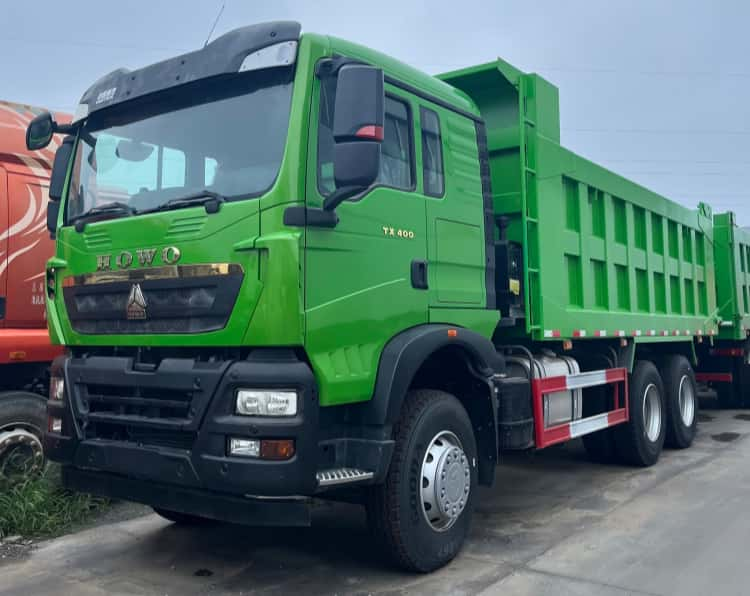
What fake reman vehicles hide, and what traceability exposes?
Fake reman vehicles relies on surface-level visual upgrades. Sellers focus on new paint, new tyres and fresh cabin trim, while ignoring invisible structural fatigue, worn crankshafts, corroded frame rails and leaking brake circuits. They provide only generic paperwork that cannot be matched to the specific chassis.
REMAN ROAD standard reman vehicles traceability ties every evidence item to the unique VIN. Photos of core condition before tear-down, NDT scan reports, weld repair approvals, dyno curves, torque records, corrosion mapping results and third-party audit sign-off are all locked into the record. If a seller cannot pull a complete, timestamped dataset linked to that exact VIN, the truck is not genuine reman. No sticker, paint job or verbal guarantee can substitute for this auditable trail.
The core stages captured in the REMAN ROAD traceability log
A valid traceability record follows the full reman sequence, not just final inspection.
- First, core intake records capture the baseline condition, mileage, accident history and initial screening decision.
- Second, disassembly and cleaning logs document the industrial cleaning cycle and component separation under the three-bucket grading system. Each load-bearing part is tagged, tested and marked as reuse, repair or scrap.
- Third, critical test records are embedded. This includes ultrasonic and magnetic particle NDT reports for frame and axle housings, dyno performance printouts for engines and gearboxes, brake pressure and air leak test data, and loaded road-test observations. Approved weld repairs carry separate procedure numbers, post-repair NDT results and inspector signatures.
- Fourth, the final independent audit record sits at the end. Auditors spot-check physical conditions against the log; any mismatch blocks certification and delivery.
Every entry is timestamped and assigned to a qualified technician or auditor. There is no way to retroactively insert test results or hide skipped quality gates.
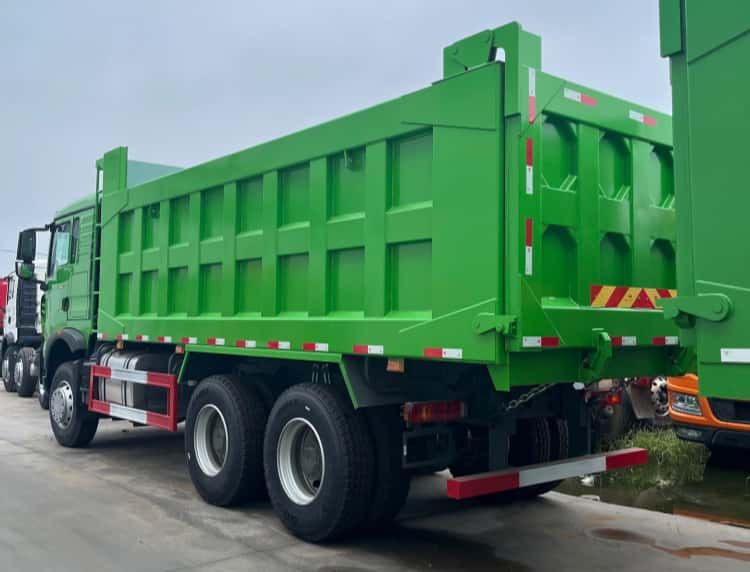
How buyers use traceability to verify before purchase?
Buyers should treat traceability validation as a non-negotiable pre-acceptance step, not a post-delivery formality.
- The first check is VIN consistency: confirm the VIN stamped on the frame matches the VIN on every report, photo and certificate. Mismatched or altered VINs are a major red flag.
- Next, cross-check the test evidence against the REMAN ROAD standard. Ask for NDT defect maps, not just a single “passed” checkbox. Request dyno output curves and fuel-consumption benchmarks, not a handwritten note that the engine runs well. Confirm the third-party auditor’s ID and audit date, and verify that non-conformities raised during audit were formally closed.
For cross-border buyers, this traceability package also serves as supply chain due diligence. It proves the asset meets contract requirements, protects against warranty disputes and simplifies insurance underwriting.
Common tricks fraudsters use to fake paperwork
Fake remanufacturers often reuse certificates from other trucks, copy REMAN-style branding, or provide partial records that only show cosmetic work. They may supply generic test templates with no VIN reference, or photos taken from unrelated rebuild projects.
A genuine REMAN ROAD traceability log cannot be reused across multiple chassis. Every high-risk inspection is tied to unique identifiers: frame serial numbers, axle housing marks, engine serial numbers and timestamped imagery. If the seller cannot pull the full log while you are on-site, or refuses to share raw test data, this is a clear warning sign.
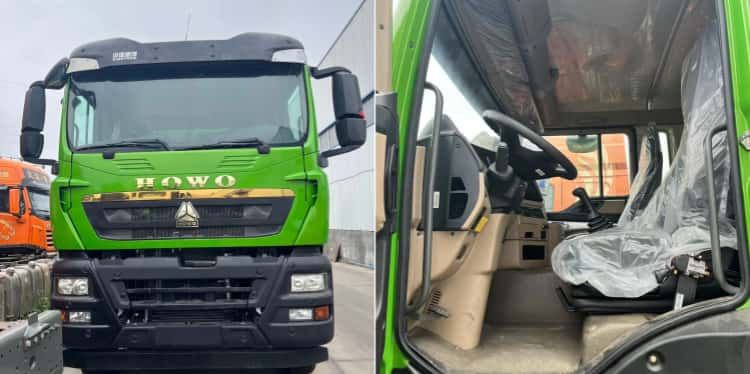
Traceability also protects your fleet after delivery
The value of traceability does not end at handover. Once the truck enters service, the same VIN log supports scheduled maintenance, warranty claims and incident investigation. If a fault appears, service teams can trace which components were renewed, which were repaired, and what test limits were applied. This prevents misdiagnosis and speeds up repairs.
At resale time, the traceability record preserves residual value. The next buyer can confirm the reman pedigree, rather than treating the truck as an unproven used asset. This creates a positive feedback loop: verified traceability makes genuine reman easier to finance, insure and resell.
Important guardrail
Traceability is a tool, not an automatic guarantee. Buyers still need to cross-reference the log with a physical inspection. Even complete records cannot compensate for dispatch outside the published duty classification. Overloading, off-road abuse and skipped pre-trip inspections will degrade any reman truck, regardless of its certification history. Traceability proves the quality work was done; it does not remove the requirement for correct operational management.
Final Takeaway
In a market flooded with cosmetically refurbished trucks marketed as reman, traceability records are the only reliable way to separate genuine REMAN ROAD certification from fraud. For fleet buyers, the key takeaway is simple: never buy on paint and stickers alone. The real proof of reman quality lives in the locked, VIN-linked audit trail that documents every test, every component decision and every quality gate before the truck reaches your site.