
How to Screen Fake Reman Vehicles & Avoid Fleet Investment Loss?
Intro
Fake reman vehicles is often just cosmetic reconditioning, marketed as full lifecycle reset. These fake reman vehicles look clean, but retain hidden fatigue, trapped corrosion and geometry defects. Fleets lose money through sudden breakdowns, site shutdowns and collapsed residual value. Screening focuses on process proof, measurable data and consistent traceability, not appearance or test drive performance.
Check the definition gap first
Genuine qualified reman vehicle follows a fixed standard: full teardown, bare-metal inspection, NDT scanning, mandatory part renewal and loaded system validation. Fake reman only replaces broken parts, repaints the frame and cleans components. The chassis’ original wear and fatigue clock never resets.
Quick litmus test: If the reman supplier cannot confirm full frame disassembly and NDT of high-stress weld zones, it is not qualified reman vehicle.

Audit VIN and document consistency
All reman vehicle records must tie to the exact frame-stamped VIN. Cross-check VIN across certificates, NDT maps, thickness logs and test reports.
Red flags:
- Reports without mapped scan locations or raw inspection data
- Generic certificates reused for multiple units
- Editable PDFs, screenshots or handwritten altered values
- No unique report ID and accredited inspector signature
Review core intake and structural inspection data
Skip vague “passed inspection” summaries. Focus on numerical evidence:
- Service history review for overload, crash or prior frame straightening
- Ultrasonic corrosion thickness readings on load paths
- NDT findings for fatigue hotspots: weld roots, steering knuckles, suspension and hoist brackets
A fake reman vehicle package will have no mapped corrosion or fatigue data. It may even advertise full OEM GVW while hiding reduced structural safety margin.
Verify the mandatory renewal parts register
Genuine qualified reman vehicle replaces high-cycle wear items by rule, regardless of visual condition. Request an itemised list with serial numbers.
High-risk items to confirm: Kingpin assemblies, bearings, U-joints, hydraulic seals, brake chambers and critical fasteners.
Fake reman vehicle only swaps obviously failed parts and reuses aged wear components.

Distinguish empty-yard test vs loaded validation
Basic idle, leak check and empty steering test only prove basic function. Genuine reman vehicle requires loaded validation at the certified rated payload. It checks deflection, vibration, brake stability and thermal performance under working stress.
Fake reman vehicle almost never runs loaded testing. Hidden geometry and driveline misalignment only surface under load.
Validate the certified duty envelope
A legitimate reman vehicle comes with a clear duty envelope derived from inspection results. It states maximum payload, allowed terrain and load cycle limits.
Warning sign: The reman supplier quotes the original OEM GVW for every unit, with no adjusted limits based on corrosion or NDT findings. This means they are ignoring safety margin calculations.
On-site physical cross-verification
Match serial numbers on engine, axle and frame to the traceability file. Check NDT marking locations against the scan map. When possible, witness a loaded functional test.
Common fraud: documents belong to a good core, then paired with a lower-quality chassis for delivery. Serial cross-checks catch this.
Contract safeguards to reduce loss
Add these clauses before purchase:
- Right to reject if documents are inconsistent or tampered
- Warranty only valid within the published duty envelope
- Full traceability package delivered before acceptance
- Failure analysis access for structural defects
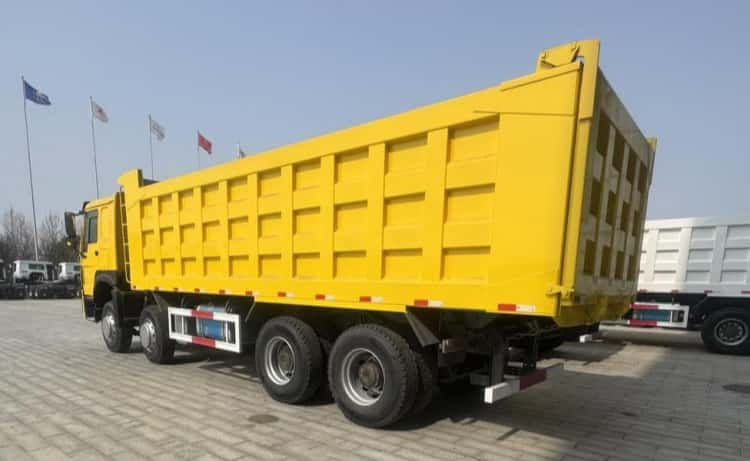
Quick screening checklist
- ✅ VIN matches across all documents
- ✅ NDT and corrosion measurements are numerically recorded and mapped
- ✅ Itemised mandatory renewal list is available
- ✅ Loaded performance test data exists
- ✅ Written duty envelope aligns with inspection findings
- ✅ Inspector accreditation and unique report ID are provided
Final Takeaway
Fake reman vehicle relies on visual appeal and vague sales language. Screening succeeds when you prioritise measurable engineering evidence over appearance. Without full teardown inspection, NDT coverage, loaded validation and locked traceability, you are buying a reconditioned truck — and accepting unquantified structural risk.