
REMAN ROAD
REDEFINE INDUSTRIAL REMANUFACTURING
SEPARATE STANDARD REGENERATION FROM SUPERFICIAL REFURBISHMENT
WHY CHOOSE REMAN VEHICLES?
Reman vehicles strike the ideal balance between reliable performance, safety compliance and full-lifecycle cost control. Unlike superficial refurbished trucks, reman vehicles are regenerated under standardized industrial benchmarks to help global fleets upgrade equipment while practicing circular economy.
Standardized Industrial Regeneration
- Every reman vehicle follows complete, measurable reman standards.
- Core components go through disassembly, deep cleaning, non-destructive testing, precision restoration and multi-stage inspection, far beyond simple cosmetic repairs.
Optimized Full-Lifecycle TCO
- Compared with brand-new heavy trucks, reman vehicles carry much lower upfront investment and mild depreciation.
- Renewed wear parts reduce unexpected breakdowns and cut long-term maintenance & downtime losses for fleet operators.
Transparent & Traceable Records
- Complete reman documentation is reserved for every vehicle, including inspection logs, component replacement records and test reports.
- Buyers get clear asset information and avoid hidden risks common in ordinary used trucks.
Proven Safety & Stable Performance
- Key load-bearing structures and critical systems are fully inspected and restored to defined specifications.
- Each reman vehicles passes strict dynamic and safety tests before delivery, delivering steady performance for mining, construction and heavy haul scenarios.
Controlled Asset Depreciation Curve
- Reman vehicles avoid the steep first-year value drop of brand-new trucks.
- The asset value declines gently, bringing more predictable residual value when fleets plan later liquidation or asset iteration.
Flexible Delivery & Asset Deployment
- Shorter lead time compared to ordering brand-new heavy trucks.
- It allows fleets to quickly supplement or renew vehicle fleets without waiting for long factory production cycles to meet urgent project demands.
Sustainable Circular Asset Solution
- Remanufacturing maximizes the value of existing vehicle resources, lowering raw material and energy consumption versus manufacturing new trucks.
- Fleets gain practical operational assets while advancing green circular development.
Consistent Spare Parts & After-Sales Support
- Backed by standardized reman component systems.
- Replacement parts are highly compatible, making routine maintenance simpler and ensuring continuous technical support for global fleet operators.
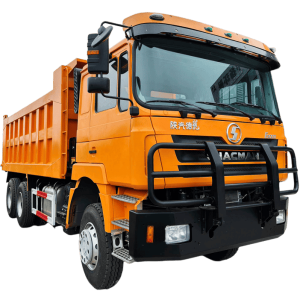
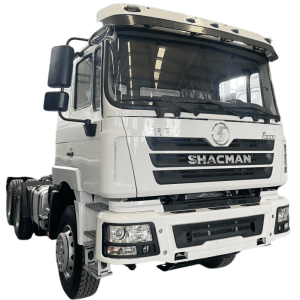
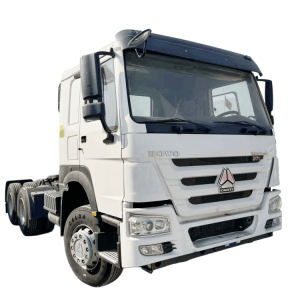
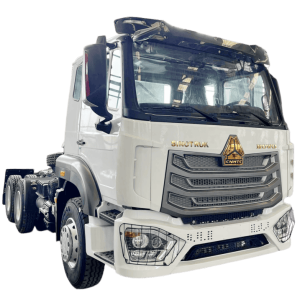
HOT SALE REMANUFACTURED VEHICLES
REMAN ROAD Remanufactured vehicles built to unified industrial standards. Optimize your fleet TCO with reliable, cost-effective regenerated assets engineered for harsh construction and mining operations.
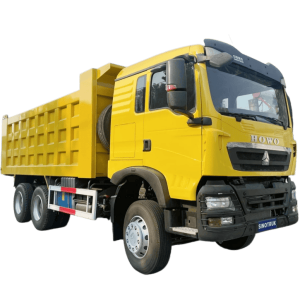
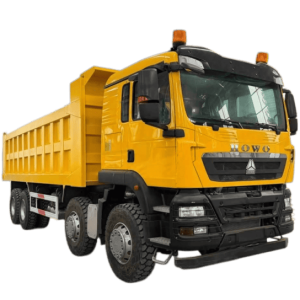
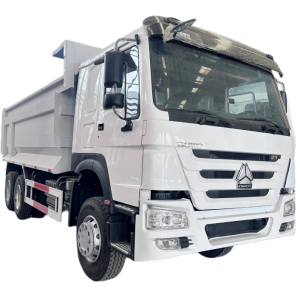
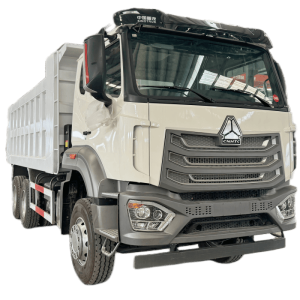
HOW TO DISTINGUISH BETWEEN REMANUFACTURING AND REFURBISHMENT?
Many global buyers confuse remanufacturing with refurbishment. While both make used vehicles operable, they follow completely different philosophies, standards and inspection rules. Clear differentiation helps you avoid low-quality cosmetic renovation and select reliable regenerated heavy assets.
Core Definition & Fundamental Purpose
- Refurbishment mainly targets surface defects and simple faulty parts. Its goal is to make the vehicle run temporarily.
- Remanufacturing is full industrial asset regeneration, designed to restore the whole vehicle to defined OEM-equivalent performance and safety benchmarks.
Vehicle Disassembly Scope
- Refurbishment only removes and fixes visibly broken components; most assemblies remain intact.
- Remanufacturing requires complete teardown down to individual parts. Every component is separated, cleaned and inspected, with no hidden areas unchecked.
Quality Control Standard
- Refurbishment has no unified, measurable standards; quality depends fully on individual workshop skill.
- Remanufacturing follows fixed written industrial benchmarks, with quantifiable tolerances and standardized test procedures.
Performance & Safety Guarantee
- Refurbished vehicles can work but cannot guarantee stable long-term performance.
- Reman vehicles pass multi-stage dynamic and safety testing after assembly, with consistent performance across the whole asset lifecycle.
Long-Term Asset Value
- Refurbished vehicles still carry hidden structural risks and depreciate rapidly.
- Reman vehicles deliver predictable full-lifecycle TCO, steady residual value and lower unexpected downtime loss for fleet operation.
Documentation & Traceability
- Refurbishment rarely keeps complete records of repair work.
- Every reman vehicles stores full traceable files: screening logs, test data, restoration records and component replacement lists, available for buyers’ review.
Component Inspection Method
- Refurbishment relies mainly on visual inspection to spot obvious damage.
- Remanufacturing applies non-destructive testing for load-bearing parts to detect internal cracks, metal fatigue and invisible structural risks that visual checks cannot find.
Part Repair & Replacement Rules
- Refurbishment only replaces obviously broken parts to cut costs.
- Remanufacturing enforces mandatory renewal of all high-risk consumables including seals, bearings, brake kits and gaskets, whether worn visibly or not.
RISKS OF CHOOSING SUPERFICIAL REFURBISHED VEHICLES
Many buyers pick low-cost refurbished vehicles for short-term budget savings. However, cosmetic renovation hides multiple latent hazards. These unseen risks trigger sudden breakdowns, safety accidents and massive unexpected losses over vehicle operation.
Hidden Structural Defects Remain Unresolved
- Refurbishment only paints exterior surfaces and fixes obvious faults.
- Frame cracks, metal fatigue and internal deformation are not detected or repaired.
- These invisible structural flaws may cause frame failure under heavy load.
High Probability of Sudden Component Failure
- Critical wear parts are only replaced when completely broken, rather than renewed proactively.
- Aging bearings, seals and brake assemblies can fail suddenly during transportation or construction work, forcing emergency shutdown.
No Unified Quality Inspection Standards
- Refurbished work relies on informal workshop experience without standardized testing procedures.
- There is no quantitative performance verification after repair, so vehicle condition varies wildly between units.
Unpredictable High Maintenance Costs
- Short repair cycles create recurring maintenance demands.
- Fleets face frequent spare part purchases and repeated workshop visits.
- The accumulated expense easily exceeds the initial savings on purchase price.
Severe Safety Hazards for Drivers & Cargo
- Braking, steering and hydraulic systems may retain unrepaired defects.
- Sudden failure of these core systems brings huge safety threats to drivers, equipment and the whole construction site.
Lack of Complete Traceable Records
- Refurbishment rarely retains detailed repair logs.
- You cannot confirm which parts have been repaired or replaced.
- It becomes hard to judge real vehicle health when reselling or continuing operation.
Fast Asset Depreciation & Low Residual Value
- Buyers recognize refurb vehicles carry hidden risks.
- Their value drops sharply after purchase.
- When you resell the asset later, you will face low pricing and limited buyer interest.
Long Downtime & Project Delays
- Unplanned breakdowns happen frequently.
- Unexpected vehicle downtime delays construction schedules, resulting in contract penalties and lost revenue for engineering fleets.
REMAN ROAD: BRAND POSITIONING, CORE STANDARDS & DEVELOPMENT VISION
REMAN ROAD take remanufacturing technology, standardized process system and quality control as the core, and heavy-duty equipment regeneration as the landing carrier, committed to solving the long-standing quality chaos and cost risks in the global engineering equipment renewal market.
Accurate Brand Positioning
- REMAN ROAD is a standard‑oriented industrial remanufacturing enterprise, not a vehicle sales dealer or equipment refurbishment workshop.
- Our strength lies in developing & rolling out measurable OEM-aligned reman benchmarks, quality standards and full-lifecycle asset rules.
- We create unified evaluation metrics for the fragmented heavy equipment reman sector, shifting the industry away from cosmetic refurbishment.
- With transparent, repeatable reman standards, we help global buyer source qualified regenerated assets and unlock green circular asset value.
Core Brand Principles
- Standardization First, Reject Fake Reman: Adopt OEM technical standards as the sole guideline, discard casual renovation, and guarantee near-new performance for every regenerated unit.
- Technology-Driven Regeneration: Use professional disassembly, cleaning, fatigue removal, precision repair and calibration to restore core performance, instead of simple part swapping.
- Full Transparent Quality Traceability: Archive full-process records for all reman projects to deliver verifiable restoration and eliminate information gaps in used equipment trade.
- Customer Value-Centric: Cut fleet full-lifecycle costs, remove operational safety risks and boost asset returns, delivering stable, cost-effective reman assets.
Brand Vision & Mission
- Mission: Standardize global industrial equipment remanufacturing, delivering low-cost, low-risk, high-value circular asset solutions for worldwide buyers.
- Vision: Become a global benchmark for standardized industrial remanufacturing. Drive the heavy equipment reman industry from rough renovation to standardized technical regeneration, and lead the global green circular equipment economy.
- Core Competitive Advantage: Our standardized reman system forms a closed loop covering vehicle screening, production, performance testing and after-sales support. Clients obtain OEM-grade equipment at reasonable cost, achieving cost reduction, risk mitigation and efficiency gains.