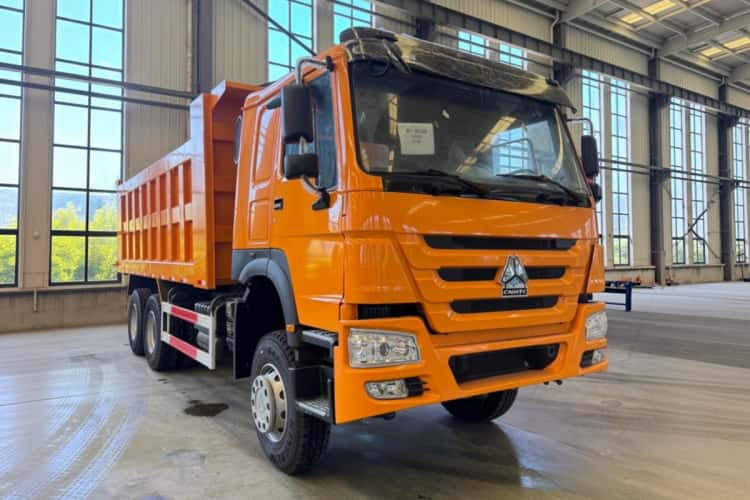
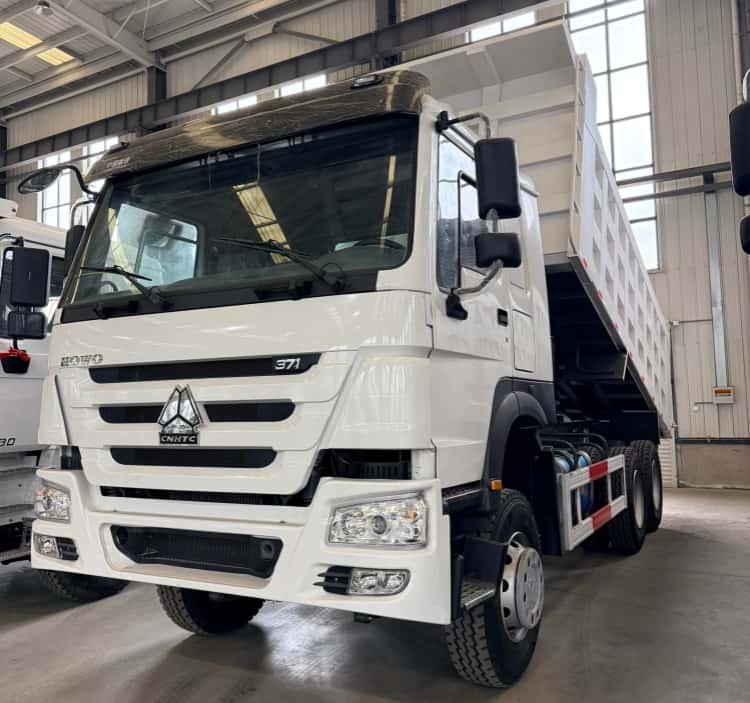
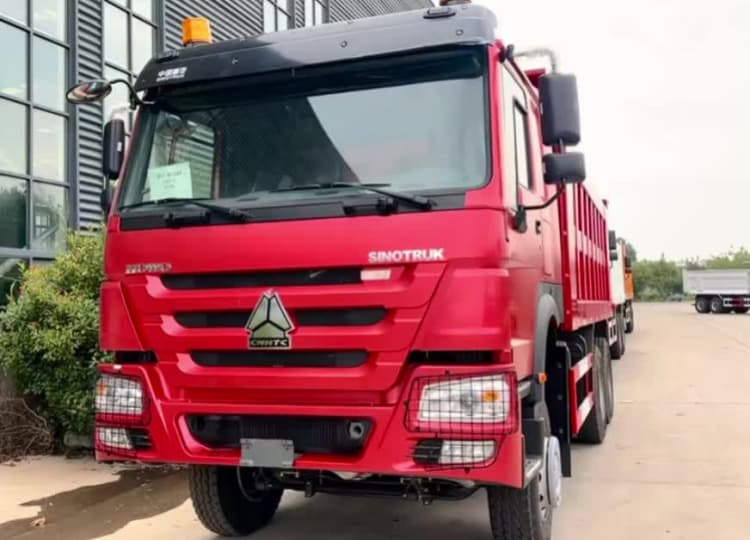
A Beginner’s Guide to Heavy Vehicles Remanufacturing for Fleet Managers
Introduction
If you manage a transport fleet, balancing capital spending, vehicle reliability and downtime is one of your biggest daily challenges. New heavy trucks demand huge upfront investment, while ordinary used trucks carry unpredictable breakdown risks and rising maintenance bills. Heavy vehicles remanufacturing emerges as an alternative asset solution, yet many fleet managers are unfamiliar with its standards, benefits and potential pitfalls.
This beginner’s guide breaks down remanufacturing in plain language. It covers what reman is (and what it is not), the core workflow, key benefits for fleets, and practical checks you can use when evaluating suppliers and vehicles. No advanced engineering background required.
What Is Heavy Vehicles Remanufacturing?
Heavy vehicles remanufacturing is a standardized industrial regeneration process that takes a retired heavy truck core — a previously operated truck that has passed strict structural screening — and restores the entire vehicle back to near-new OEM performance.
It is different from simple repairs, engine overhauls or cosmetic refreshes. The goal is not just to fix existing faults. The whole vehicle is fully disassembled, inspected, renewed and tested to reset its usable service life.
A reman vehicles keeps its original VIN and base metal core, but all fatigue-prone wearing parts are replaced, and structural defects are eliminated before delivery.
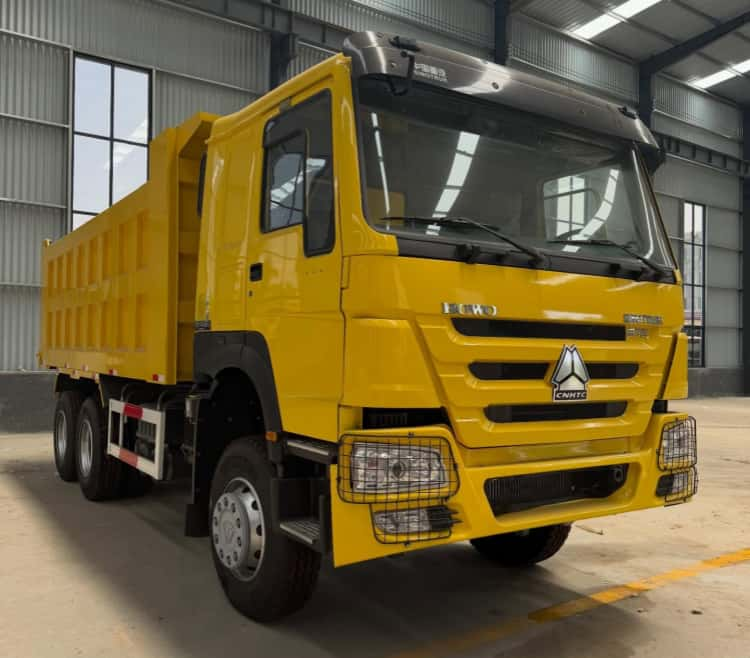
Core Reman Works Overview
- Core screening & NDT inspection Before any rebuild work, the used truck core is scanned via non-destructive testing. Frame, engine block, crankshaft and axle housings are checked for hidden cracks, metal fatigue and deep corrosion. Damaged cores are rejected.
- Full vehicle disassembly The truck is completely stripped into individual components. No major assembly remains sealed and uninspected, so hidden internal wear can be identified.
- Cleaning and component grading All parts are cleaned, measured and sorted into three groups: reusable after precision machining, mandatory replacement with new parts, or scrap.
- Precision machining of structural cores Sound load-bearing metal components are machined to remove wear and restore OEM dimensions, within permitted machining limits.
- Replace all fatigue-limited consumables Bearings, seals, gaskets, brake linings, rubber hoses and high-torque fasteners are all replaced with new qualified parts, regardless of their visual condition.
- Reassembly, calibration and performance testing The truck is reassembled following OEM specifications. ECU calibration, dyno testing and full-load road tests verify power, braking, cooling and fuel performance.
- Documentation, third-party certification and cosmetic finishing All inspection and test records are compiled into a VIN-linked traceability file. Independent audit confirms compliance, and cosmetic work is completed as the final step.
Why Fleet Managers Consider Reman Vehicles?
Optimized CAPEX
Genuine reman vehicles cost far less upfront than brand-new heavy vehicles, freeing capital for other fleet expansion, maintenance reserves or business investment.
Predictable reliability and less downtime
When built to standard, genuine reman vehicles follow a failure curve similar to new vehicles. With all worn consumables replaced and structural flaws removed, unplanned roadside failures drop significantly compared to generic pre-owned trucks.
Stable residual value
Thanks to audited reman works and complete documentation, genuine reman vehicles hold better residual value than ordinary used trucks when you resell them later.
ESG and sustainability gains
Heavy vehicles remanufacturing reuses sound metal structures, cutting raw material consumption and embedded carbon emissions associated with manufacturing brand-new heavy trucks. This supports sustainability reporting for transport businesses.
Common Misunderstandings Fleet Managers Should Watch For
- ❌ Myth: Reman = just a rebuilt engine. ✅ Fact: Engine-only overhaul is component rebuilding. Genuine heavy vehicles remanufacturing inspects and renews frame, axles, brakes, steering and all systems.
- ❌ Myth: Reman is the same as buying a used truck with new paint. ✅ Fact: Cosmetic refurbishment leaves hidden metal fatigue and old wear parts untouched. Genuine heavy vehicles remanufacturing requires NDT screening and full part replacement.
- ❌ Myth: All “remanufactured” labels mean the same quality. ✅ Fact: The term reman is unregulated in many markets. Always check third-party certification and supporting records, not marketing claims.
Practical Checklist When Evaluating Reman Suppliers
Use this simple checklist before placing an order:
- Can they provide pre-rebuild NDT reports for the truck core?
- Is there a full parts list confirming all fatigue-critical components are brand new?
- Can they share dyno test data and full-load road test results?
- Is certification issued by an independent third party, not only the factory’s self-certification?
- Is a complete VIN-linked traceability dossier available for your records?
If a supplier cannot provide these documents, the vehicle is likely a simple overhaul or cosmetic refresh rather than genuine reman vehicles.
Limitations to Keep in Mind
Heavy vehicles remanufacturing is not the perfect fit for every fleet.
- Original VIN and manufacturing date remain unchanged, which may affect local registration, import rules and insurance in some countries.
- Strict supplier vetting is mandatory; poor-quality reman brings the same risks as buying a damaged used truck.
- Lead times are longer than purchasing an off-the-shelf used truck, as the full reman works takes time.
Conclusion
For fleet managers exploring asset procurement strategies, standardized heavy vehicles remanufacturing offers a balanced middle ground between expensive new trucks and high-risk pre-owned vehicles.
The core of heavy vehicles remanufacturing lies in pre-build core screening, full disassembly, mandatory wear-part replacement, objective performance testing and traceable third-party certification. Avoid confusing genuine reman with engine overhauls or cosmetic paint jobs.
Before purchasing, always verify supporting technical documentation from your supplier. With proper due diligence, genuine reman vehicles can reduce your total cost of ownership and deliver reliable long-term service for your fleet.