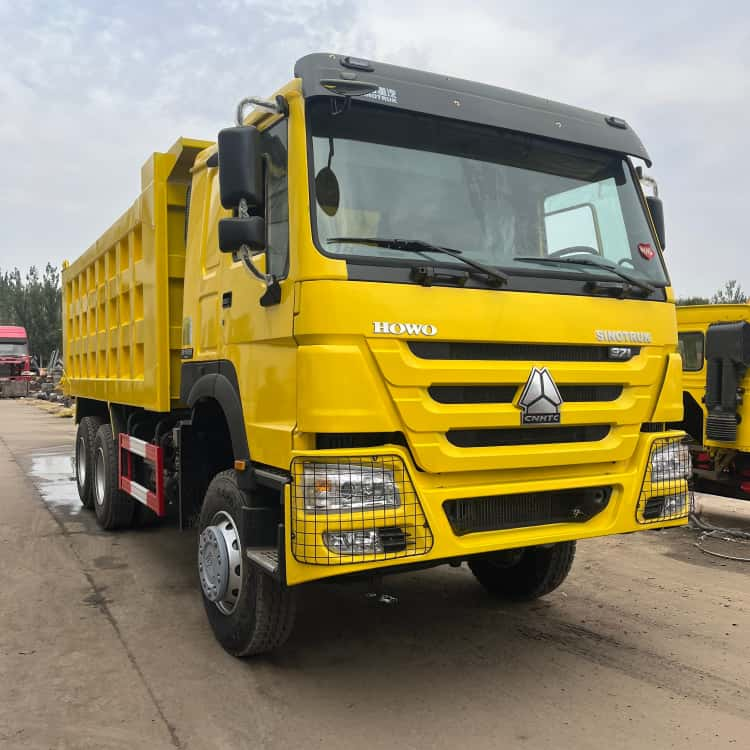
The Basic Principles That Govern Heavy Vehicles Remanufacturing Workflow
Introduction
Standardized heavy vehicles remanufacturing is not a random sequence of repair tasks. Every remanufacturing workflow follows a set of fixed, non-negotiable basic principles. These principles act as guardrails, separating professional certified remanufacturing from casual overhaul or cosmetic refurbishment.
Whether for fleet buyers evaluating suppliers or technical teams managing reman production, understanding these core principles helps judge if a remanufacturing workflow is truly standardized.
Principle 1: Core Eligibility First — Screen Before Any Rebuild Work
All remanufacturing workflow start with core qualification assessment, before disassembly, cleaning or machining begins. A retired heavy vehicle can only enter the reman process after passing structural inspection and NDT testing. Cores with irreparable cracks, permanent frame distortion, deep wall-thinning corrosion, fire or flood damage must be rejected and scrapped immediately.
This principle avoids wasting labour and materials on compromised base hardware. No amount of new parts or painting can fix inherent structural flaws in an unqualified core.
Principle 2: Full Disassembly to Expose Every Component
Certified remanufacturing requires complete teardown of the whole heavy vehicle. All major assemblies — engine, transmission, axles, steering, suspension and brake systems — are fully stripped down to individual separate parts.
No sealed subassembly can skip inspection. Partial disassembly, where engine or axle housings remain closed and unexamined, violates this principle and cannot count as full-vehicle remanufacturing. The purpose is to reveal hidden wear, fatigue and damage that visual external checks cannot find.

Principle 3: Component Grading and Separate Disposition
Once disassembled and cleaned, every single part is inspected and sorted into three clear categories:
- Reusable: Sound load-bearing metal cores that can be precision-machined back to OEM dimensional tolerances.
- Replace: All fatigue-critical consumable parts, which must be swapped for new spec-compliant components regardless of apparent condition.
- Scrap: Parts with irreversible damage beyond repair.
This principle prevents reusing degraded wearing components that cause unexpected breakdowns under heavy-duty operation.
Principle 4: Restore to OEM Dimensional and Performance Specifications
The target of heavy vehicles remanufacturing is not “good enough to run”. The standard is to return all reusable structural components to original OEM geometry, within defined machining stock removal limits.
Precision machining removes taper, out-of-round surfaces and surface wear. After restoration, the finished assembly must match the original design dimensions, power output, torque curve and thermal performance of the factory-new vehicle.
Principle 5: Mandatory Replacement of All Fatigue-Limited Components
Bearings, piston rings, seals, gaskets, brake friction materials, rubber hoses and high-torque fasteners have finite service life. Even if these parts look intact after inspection, certified remanufacturing rules require full replacement with brand-new qualified parts.
These components are the most common source of mid-service failure. Reusing aged wear items undermines asset reliability, no matter how well the metal core is restored.
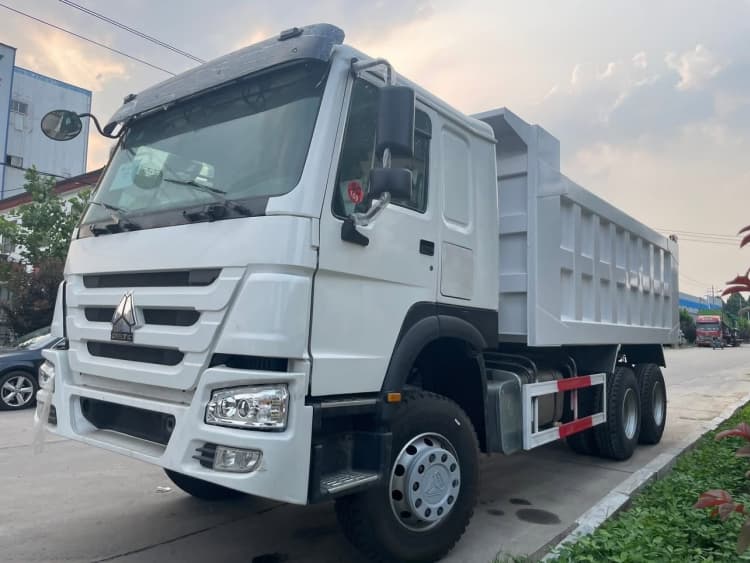
Principle 6: Independent Performance Validation Before Final Acceptance
Assembly completion is not the end of the remanufacturing workflow. Every finished reman heavy vehicle must go through objective performance testing, including powertrain dyno testing and full-load road validation under rated payload.
Tests verify power, fuel consumption, braking efficiency, cooling thermal stability and transmission behaviour. Any unit falling outside OEM tolerance bands must be reworked and retested. Visual inspection alone is never sufficient for final quality sign-off.
Principle 7: Full Traceability of All Work and Test Records
Every stage of the remanufacturing workflow must be documented and linked permanently to the vehicle VIN. Records include core NDT reports, component grading logs, machining data, parts replacement lists, dyno and road test results, and quality audit notes.
This principle creates transparency. Buyers can review the full history of the vehicle, instead of relying only on supplier verbal promises or self-issued certificates. Third-party audits rely on this traceable documentation to grant formal reman certification.
Principle 8: Cosmetic Work Is Secondary, Never Primary
Surface finishing, repainting and cabin refurbishment are carried out only after all structural inspection, machining, assembly and performance testing are completed.
Cosmetic upgrades exist purely for corrosion protection and presentation. They must never be used to cover up structural defects or replace technical restoration. Quality is judged by structural integrity and performance, not paint shine or cabin appearance.
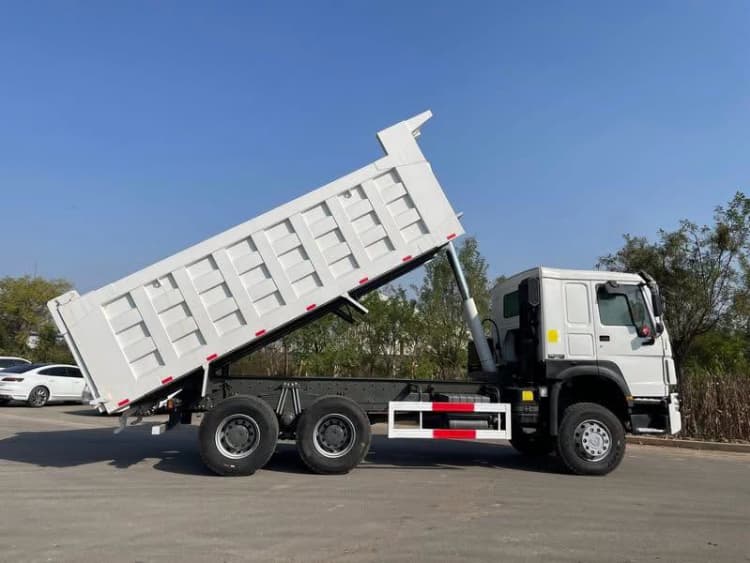
Why These Principles Matter For Fleet Buyers?
These eight principles form the backbone of certified remanufacturing. If a reman supplier skips any of these rules, the resulting vehicle will carry hidden risks for heavy-duty hauling.
When selecting reman heavy vehicle, fleet operators should ask suppliers to demonstrate how their remanufacturing workflow adheres to these principles. A supplier unable to provide NDT records, component grading sheets or full-load test data is not following certified remanufacturing workflow standards.
Conclusion
Heavy vehicles remanufacturing workflow is governed by a strict set of basic principles: pre-screen core eligibility, fully disassemble all assemblies, grade each component, restore to OEM specs, replace all fatigue parts, validate performance, maintain full traceability, and treat cosmetic finishing as secondary work.
These principles separate certified remanufacturing from superficial rebuilds. Any reman facility cutting corners on these foundational rules cannot deliver the near-new reliability and reset service life promised by certified reman heavy vehicle.