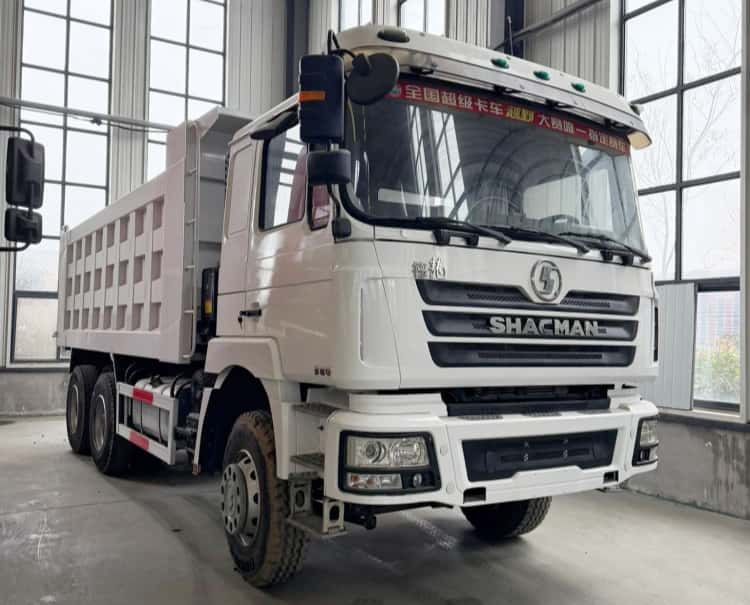
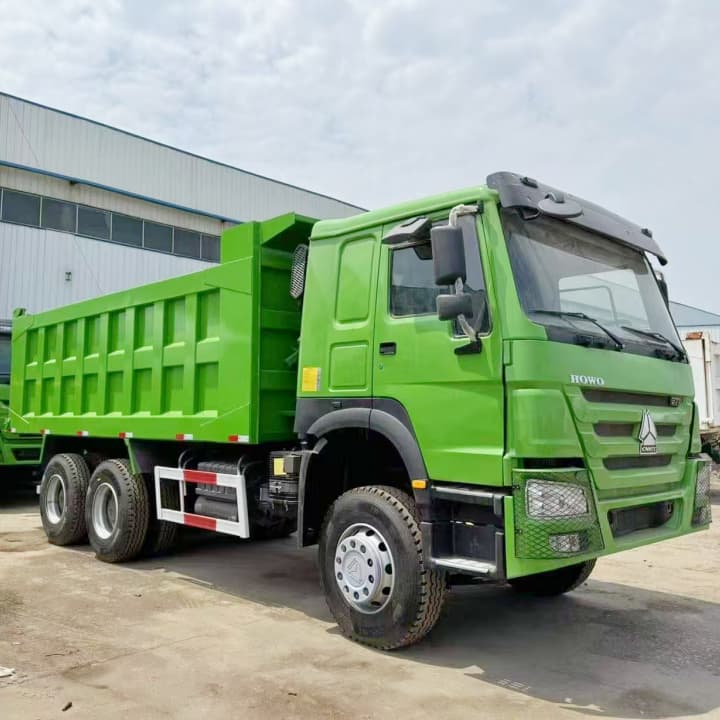
Standard Reman vs Refurbished Trucks: Clear Definitions for Fleet Buyers
Many fleet procurement teams encounter confusing marketing terms when sourcing used heavy vehicles. Suppliers often mix up standard remanufacturing and refurbishment, using the labels interchangeably to sell rebuilt trucks.
Under the REMAN ROAD framework, standard reman and refurbished heavy trucks follow separate rules, workflows and performance baselines. Understanding their formal definitions protects fleets from unexpected downtime, inflated maintenance costs and misleading asset value claims.
What Is Standard Remanufacturing for Heavy Trucks?
Standard remanufacturing is a controlled, repeatable industrial process that returns a qualified core heavy vehicle to OEM-equivalent performance and reliability. The reman procedures starts with core screening and non-destructive structural inspection. The truck is fully disassembled down to individual components. Every part is cleaned, measured against OEM tolerances, graded, restored via precision machining where eligible, or replaced with new qualified parts. All life-limited consumables are replaced by default. Reassembly follows OEM torque sequences and clean-environment protocols, before multi-stage bench, dyno and vehicle-level functional testing.
A certified reman truck for sale receives full traceability records and formal certification. Its service cycle is effectively reset. It carries a structured warranty matching its new-equivalent performance profile and delivers predictable total cost of ownership and verified embodied carbon savings.
What Is a Refurbished Heavy Truck?
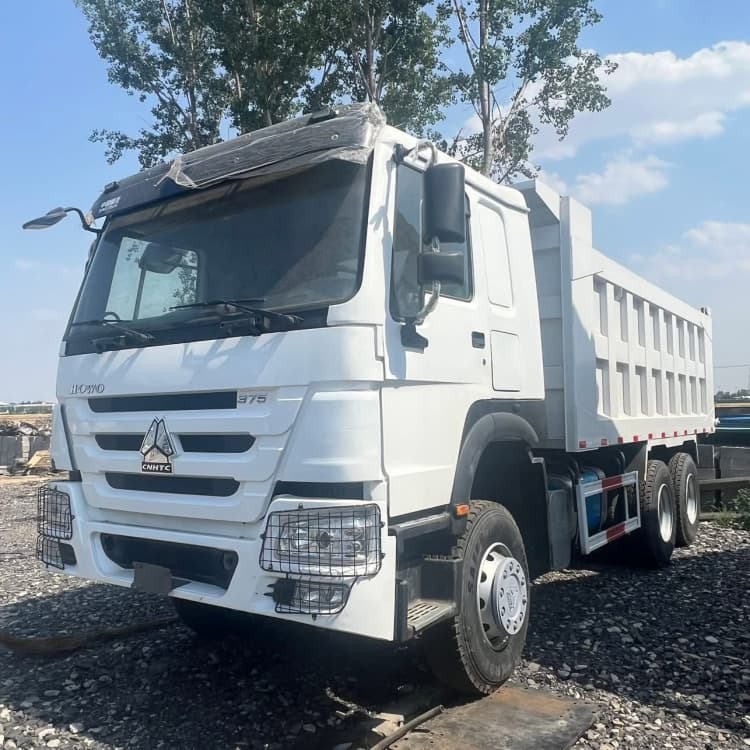
Refurbishment is a targeted, condition-based cosmetic and functional refresh. It focuses on repairing obvious faults and improving appearance, rather than resetting the entire asset. Work is limited to visible broken or failed components. Technicians usually do not fully disassemble the truck. Parts are inspected visually, not measured against strict dimensional tolerances. Wear items are replaced only if they show clear signs of failure. Surface work like repainting, cabin restoration and tire replacement is common and often the most noticeable part of the job.
A refurbished truck retains its original accumulated fatigue and remaining service life. No mandatory full testing standard applies, traceability is usually incomplete, and warranties tend to be narrow, covering only the parts that were repaired. Refurbishment improves the truck’s current working condition but does not bring it back to new-vehicle performance standards.
Side-by-Side Core Differences
- Disassembly scope: Standard Remanufacturing: Full teardown to component level. Refurbished: Partial disassembly, only faulty assemblies are opened.
- Component assessment: Standard Reman: Dimensional measurement, NDT, hardness checks against OEM specs. Refurbished: Mostly visual inspection, no systematic tolerance grading.
- Consumable policy: Standard Remanufacturing: All time-limited seals, bearings, gaskets and fasteners replaced by default. Refurbished: Consumables replaced only when damaged or leaking.
- Performance target: Standard Reman: OEM-equivalent performance, reset service cycle. Refurbished: Functional enough to operate; remaining original service life continues to count down.
- Testing & documentation: Remanufacturing: Full dyno, system testing, complete audit trail and formal certification. Refurbished: Basic functional check; limited records, no standardised certification.
- Carbon & TCO profile: Standard Reman: High embodied carbon saving, stable long-term TCO. Refurbished: Minor carbon benefit; higher risk of unplanned breakdowns.
Common Pitfall for Fleet Buyers
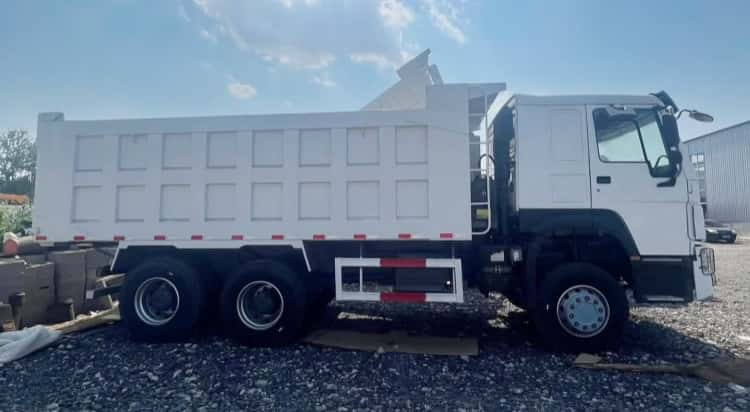
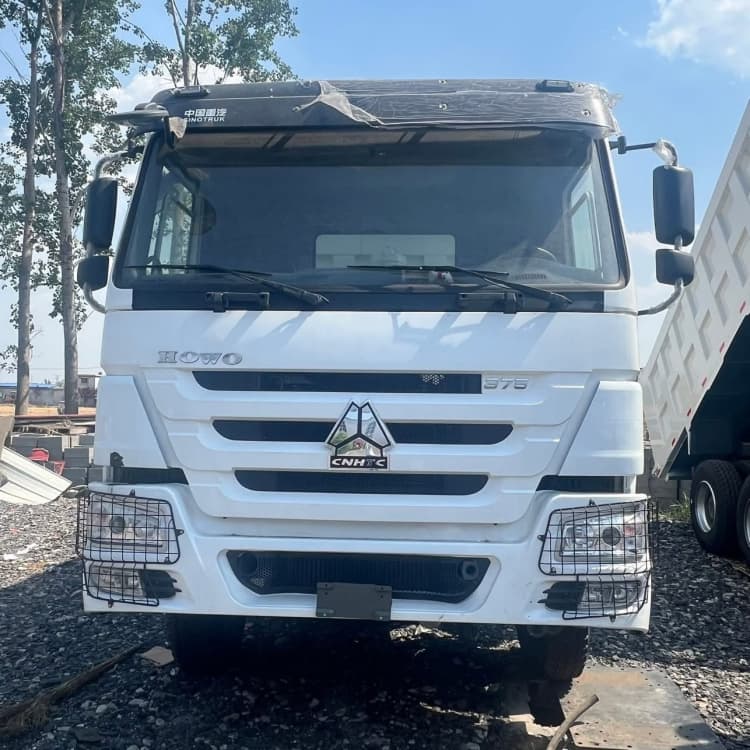
The biggest risk is judging a truck by its appearance. A refurbished heavy truck can look nearly new after repainting and cabin upgrades, but hidden fatigue in crankshafts, axles or engine blocks remains untouched. This is why “looks new” is never proof of standard remanufacturing.
Standard remanufacturing is process-driven and auditable. Refurbishment is fault-driven and cosmetic-first.
Practical Buying Guidance
- If your fleet prioritises consistent uptime, predictable maintenance schedules, verified carbon reduction and formal warranty coverage, certified standard remanufacturing is the better fit.
- If you need a low-cost short-term asset for light, non-critical operations and accept higher breakdown risk, a refurbished unit may suit your budget, but it should never be priced or represented as remanufactured.
Closing
Clear definition separates marketing language from tangible asset quality. When evaluating suppliers, ask for test logs, component grading records and REMAN ROAD certification documents. These records confirm whether you are purchasing a truly reman truck for sale, or simply a refreshed refurbished unit.