The Building Blocks of a Standardized Truck Remanufacturing Process
Introduction
Standardized heavy truck remanufacturing is not a random repair job or cosmetic refresh. It is a repeatable, auditable sequence of controlled steps designed to return a used core asset to OEM-equivalent performance, reliability and safety benchmarks. Every remanufacturing steps acts as a critical building block, and skipping or simplifying any step breaks the integrity of the final reman unit. Below we break down these foundational blocks that define compliant remanufacturing steps under frameworks like REMAN ROAD.
Core Qualification & Incoming Inspection
The remanufacturing steps starts long before disassembly. Not every used truck or component is fit for truck remanufacturing. Trained inspectors review service history, accident records, VIN traceability and structural integrity. Non-destructive testing checks for hidden cracks, material fatigue and corrosion that cannot be fixed economically. Cores that fail structural or material criteria are rejected and routed for recycling instead of reman. This block eliminates the biggest risk: building a reman product on an unsound foundation.
Full, Systematic Disassembly
Unlike targeted repair that only touches broken parts, standardized heavy truck remanufacturing requires complete teardown. The vehicle or major assembly is stripped down to individual components. Every part is tagged, documented and isolated to avoid mixing serviceable cores with scrap. Disassembly follows defined torque sequences and protection procedures to prevent secondary damage to reusable components. Full teardown enables comprehensive assessment, which is impossible when assemblies stay closed up.
Precision Cleaning & Contamination Removal
All stripped parts go through industrial cleaning to strip grease, carbon buildup, sludge and surface corrosion. Contamination is one of the top causes of early failure in heavy-duty operation. Standardised protocols separate cleaning streams for different materials, and cleaning residue is fully removed before inspection. This remanufacturing steps reveals hidden wear marks, pitting and cracks that would stay covered under dirt and oil.
Component Grading & Technical Validation
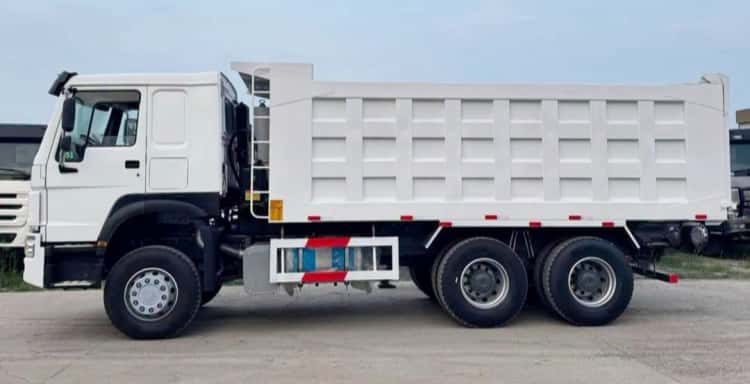
Cleaned components are measured against OEM dimensional tolerances. Each part falls into one of three categories: reusable after machining, replace with new genuine parts, or scrap. Wear limits are fixed and documented, not decided by technician judgement alone. Critical parts such as crankshafts, cylinder heads, axles and brake assemblies get dimensional checks, hardness testing and surface defect scans. This block is what separates true heavy truck remanufacturing from simple refurbishment.
Controlled Restoration & Machining
Parts within rework tolerances are restored using precision machining, honing, grinding or coating processes. Every machining operation follows approved drawings and surface finish specifications. The goal is not just to “fix wear”, but to return dimensions back to original design specification. No makeshift modifications or oversize workarounds are allowed in a standardized reman system. Where a part cannot be brought back to spec, it is discarded.
Specified Replacement of Consumable & Worn Parts
All life-limited consumables are replaced with new, qualified parts, regardless of visible condition. Seals, gaskets, bearings, fasteners, hoses and filters are swapped out by default. Even if these items look fine, their fatigue life is already partially consumed. This building block locks in long service intervals and prevents premature leakage or failure after the truck returns to fleet service.
Assembly to OEM Torque & Sequence Standards
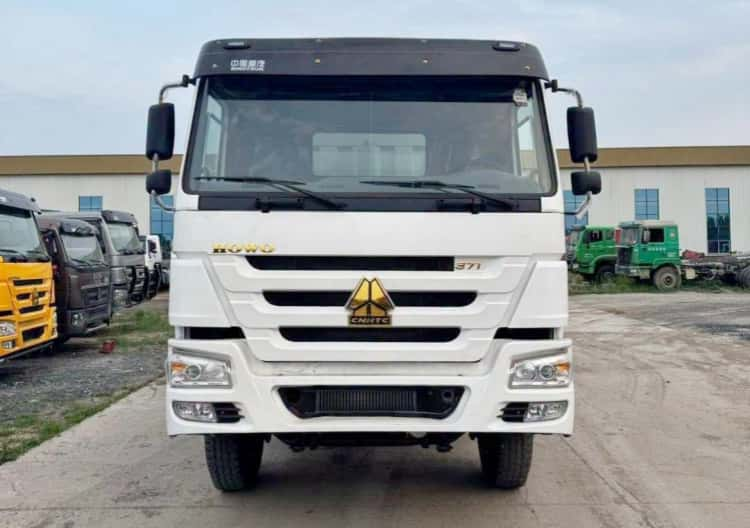
Reassembly follows formal work instructions, torque values and tightening sequences defined by the original equipment manufacturer. Technicians use calibrated tools, and every critical fastener torque is recorded for traceability. Assembly is done in a clean, controlled environment to keep dust and debris out of precision assemblies. Random assembly practices lead to hidden leaks, misalignment and catastrophic failure under heavy load.
Functional Bench & Vehicle-Level Testing
Once assembled, the unit undergoes staged testing. Subassemblies run on test benches first to verify pressure, flow, output and response. After full vehicle assembly, dyno testing, road simulation and system checks for braking, cooling, powertrain and electrical systems are completed. Performance metrics are captured and compared against new truck baselines. A reman truck cannot leave the workflow without passing the full test suite.
Traceability, Documentation & Certification
Every reman truck receives a unique traceability record linking it to its incoming core, replaced parts, test reports and technician logs. For REMAN ROAD certified truck remanufacturing, this documentation forms the audit trail for fleet buyers. A formal certificate is issued, stating the unit meets reman performance standards and clarifying warranty terms. This block turns a physical truck into a verified, accountable asset for fleet procurement.
Final Cosmetic Finishing & Controlled Delivery
The final block is cosmetic finishing, which comes only after technical validation. Paint, decals and surface treatments are applied for corrosion protection and branding, but this step never substitutes for mechanical restoration. Pre-delivery inspection confirms no test faults, fluid levels are correct and all documentation is packaged with the truck. The handover process also includes guidance for fleet maintenance teams on reman asset operation.
Why These Building Blocks Matter Together?
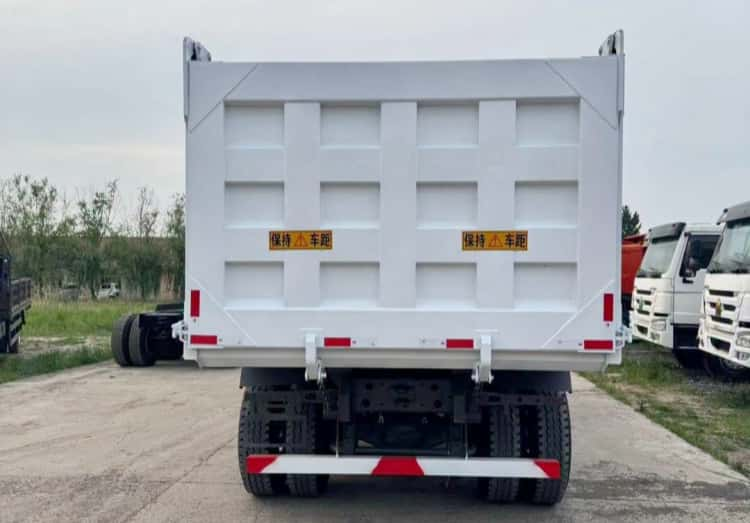
A standardized remanufacturing steps only works when all blocks are present. If a vendor skips full disassembly, formal testing or traceability, what they deliver is overhaul or refurbishment — not remanufacturing. For fleet operators, this structured workflow delivers predictable TCO, known carbon savings and safety consistency across every reman truck added to the fleet. Certified reman is built on process discipline, not individual technician skill alone.