Genuine Remanufacturing: Separating Core Regeneration From Cosmetic Overhauls
Introduction
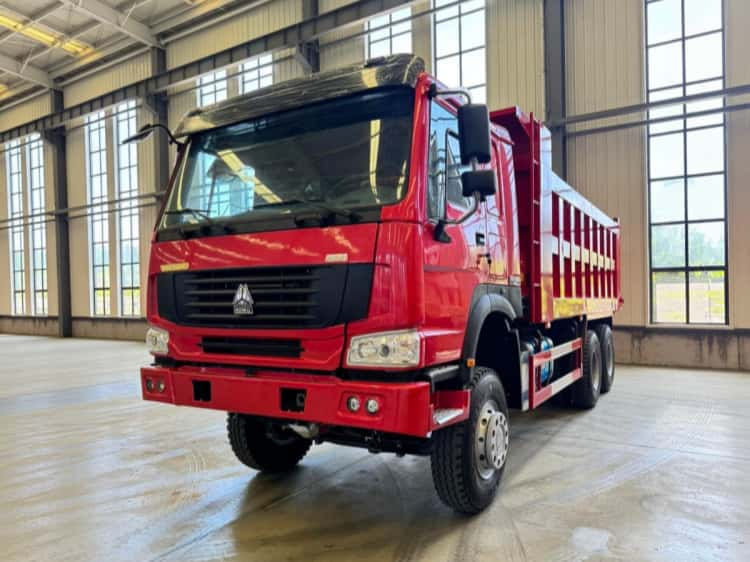
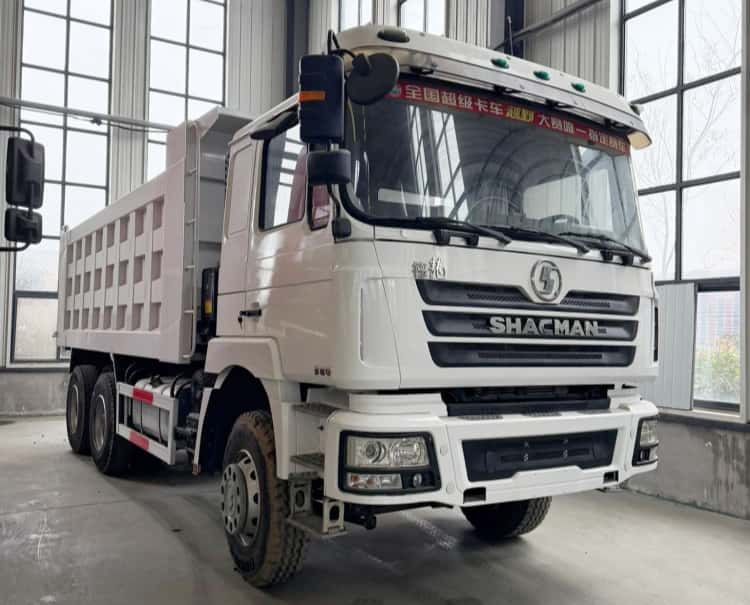
Many fleet buyers have encountered vehicles that look brand new at first glance: fresh paint, clean cabin, new tires and polished engine surfaces. However, the impressive appearance often hides unchanged, worn load-bearing components inside.
This is the critical difference between core regeneration (the foundation of genuine remanufacturing) and cosmetic overhaul, which is merely surface-level beautification. Understanding this distinction helps transport operators avoid paying premium remanufacturing prices for vehicles that only received a facelift, with unresolved hidden risks for heavy-duty operation.
What Is Core Regeneration in Genuine Remanufacturing?
Genuine remanufacturing core regeneration refers to the systematic restoration of the vehicle’s load-bearing structural foundations. It targets the heavy cast and forged metal components that form the backbone of the heavy truck, including frame rails, engine blocks, crankshafts, cylinder heads and axle housings.
Core regeneration follows strict industrial remanufacturing steps:
- The entire vehicle is fully disassembled, splitting every major assembly down to individual parts. No sealed internal components remain uninspected.
- Critical metal cores undergo NDT non-destructive testing to detect invisible cracks, metal fatigue and subsurface flaws. Any core with irreversible structural defects is scrapped.
- Qualified reusable metal parts are precision machined to remove wear, taper and distortion, restoring dimensions back within OEM engineering tolerances.
- All fatigue-prone consumable parts, such as bearings, seals, gaskets, brake friction materials and rubber hoses, are replaced with brand-new specification-compliant components, regardless of visual condition.
- After reassembly, the complete vehicle is validated via dyno and full-load road testing to confirm performance meets OEM rated standards.
Cosmetic work — repainting, cabin cleaning, panel repairs — happens only after all core inspection, machining, assembly and performance testing are finished. Appearance is a final add-on, not the main objective.
What Is a Cosmetic Overhaul?
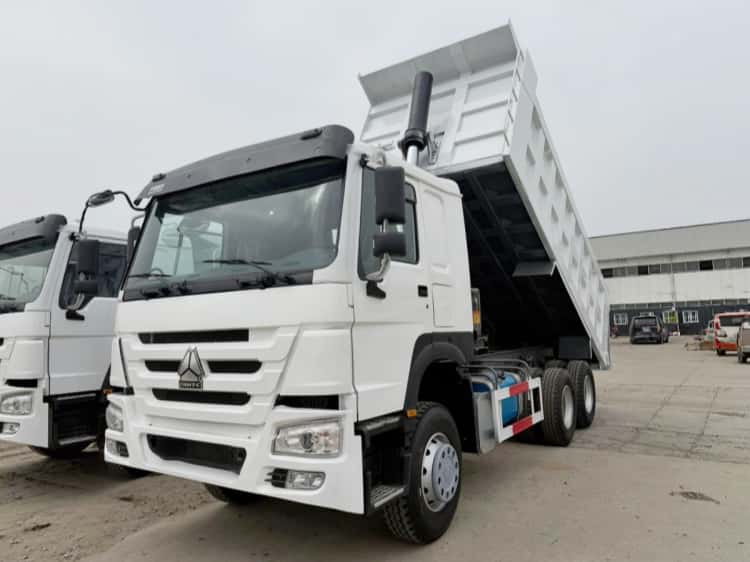
A cosmetic overhaul focuses solely on visual improvements, with minimal work on internal core structures. Shops performing cosmetic overhauls aim to make the truck look attractive for resale at the lowest possible cost.
Typical cosmetic overhaul activities include:
- Full repainting of chassis and cab to cover rust, scratches and minor dents
- Steam cleaning the engine exterior and chassis to remove oil and dirt
- Refurbishing cabin interior, replacing seat covers, dashboard trims and damaged lights
- Installing new tires and polishing visible metal surfaces
- Changing engine oil and coolant, fixing obvious fluid leaks that can be easily seen
Key traits of cosmetic overhaul:
- No full disassembly of engine, transmission or axle assemblies. Major core units stay sealed.
- No NDT structural inspection. Hidden cracks and metal fatigue in frame or axle components remain undetected.
- Worn internal bearings, aged seals and fatigued brake components are often reused if they still function.
- No full-load performance validation. Only idle checks and short test drives are completed to confirm basic drivability.
A vehicle finished with cosmetic overhaul can start and drive, but its core metal structures retain all accumulated wear and fatigue from previous years of heavy operation. Under sustained heavy payload, steep climbs or high-temperature dusty environments, these hidden defects may trigger sudden, dangerous failures.
Side-by-Side Key Differences
Core Regeneration (Genuine Remanufacturing)
- Goal: Reset asset service life and restore OEM-level reliability for heavy-duty work
- Disassembly: Complete teardown of all vehicle assemblies
- Inspection: NDT scanning for hidden structural flaws on load-bearing cores
- Component work: Precision machining of reusable cores + mandatory replacement of all fatigue-critical parts
- Performance verification: Dyno testing + full-load road validation against OEM specs
- Cosmetics: Performed last, secondary to technical restoration
Cosmetic Overhaul
- Goal: Improve visual appearance to raise resale value
- Disassembly: Limited, only remove parts needed for painting and cleaning
- Inspection: Visual check only, no deep structural testing
- Component work: Fix obvious faults; reuse most internal worn parts
- Performance verification: Simple idle and short test drive
- Cosmetics: The primary selling feature
Common Marketing Trap: Selling Cosmetic Overhaul As Genuine Remanufacturing
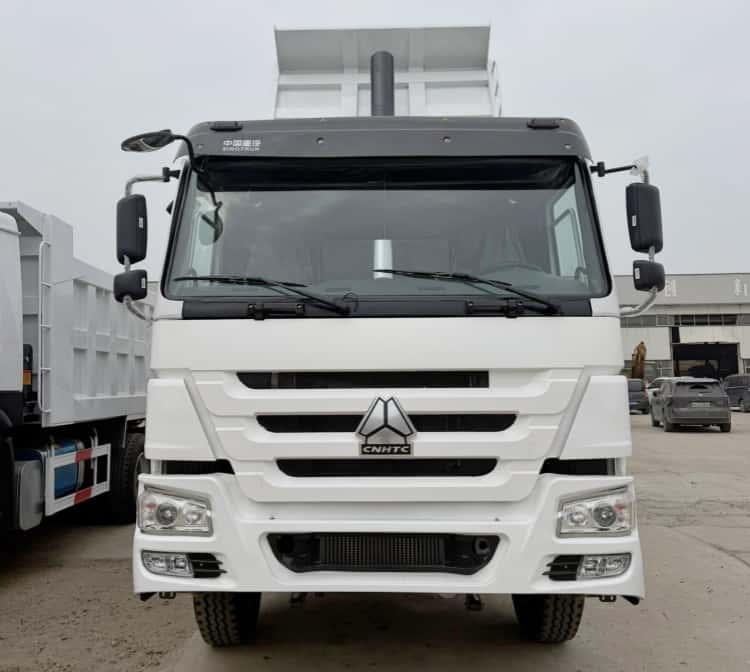
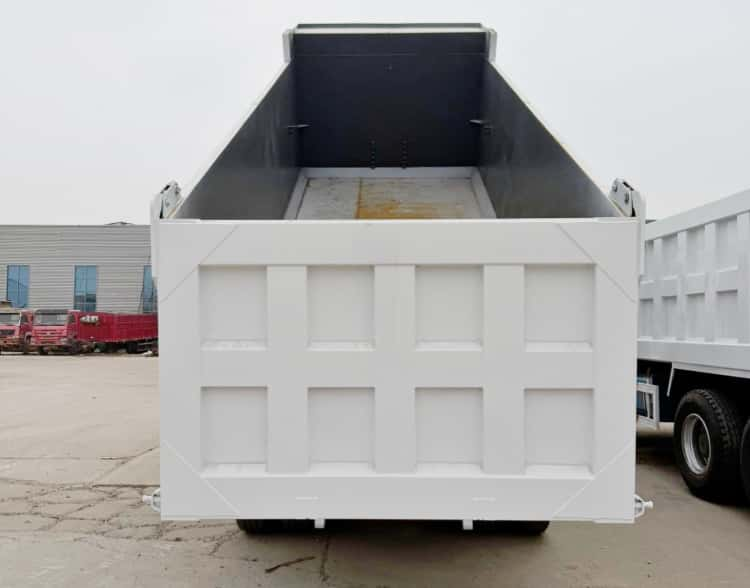
Unscrupulous suppliers market cosmetically refreshed trucks as “remanufacturing”. Buyers judge quality by photos, video walkarounds or on-site visual checks. Glossy paint and clean cabins create a false sense of security.
The trap is simple: cosmetic upgrades are cheap and fast. Core regeneration is labour-intensive, requires specialized testing equipment and strict quality control. This means cosmetic overhauls can be sold at a lower price, but carry huge long-term risks for fleet operators.
When you pay for genuine remanufacturing, you are paying for structural screening, precision machining, new wear components and performance validation — not paint and cleaning.
Practical Checks for Fleet Buyers
To confirm whether a vehicle has undergone core regeneration rather than cosmetic overhaul:
- Request pre-rebuild NDT reports for frame, engine block and axle housings. Cosmetic overhaul suppliers cannot provide these documents.
- Ask for full parts replacement lists, confirming all fatigue-critical components are replaced new.
- Demand dyno and full-load road test data with OEM benchmark comparison.
- Ask for photos of stripped bare frame and disassembled powertrain components before painting. Cosmetic overhauls rarely have these records.
- Review the VIN-linked traceability dossier and third-party certification. Self-issued certificates usually only cover cosmetic work.
Conclusion
Core regeneration is the technical heart of genuine remanufacturing, focused on restoring structural integrity and functional performance. Cosmetic overhaul is surface beautification that leaves the vehicle’s worn core untouched.
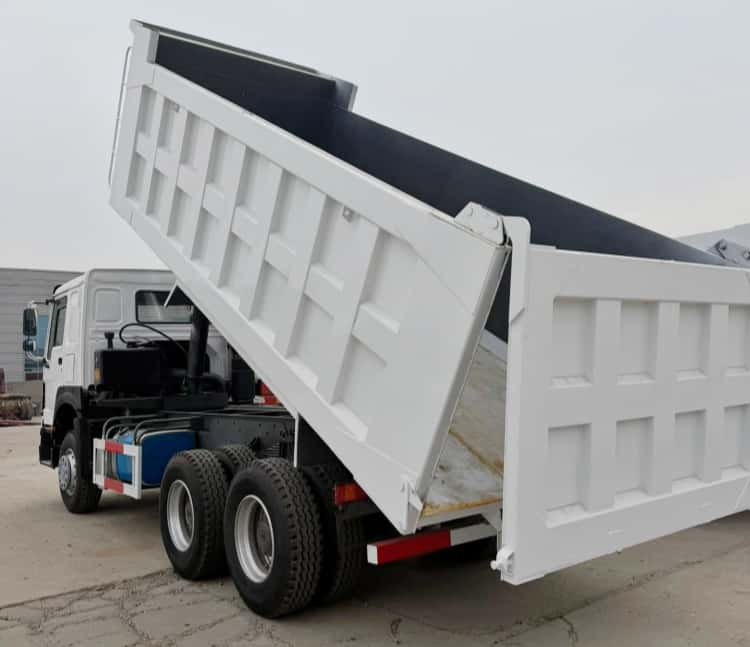
Shiny paint and a clean cabin do not guarantee safe, reliable heavy-duty operation. Fleet buyers should always prioritize technical test evidence and workflow documentation over visual appearance when evaluating remanufactured vehicles.