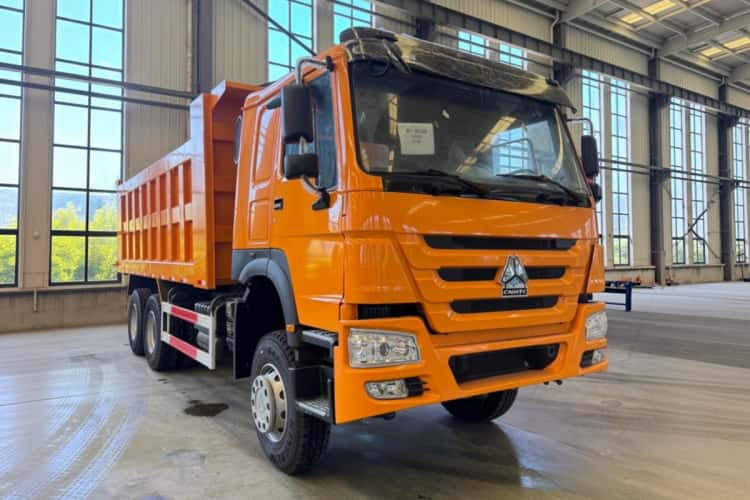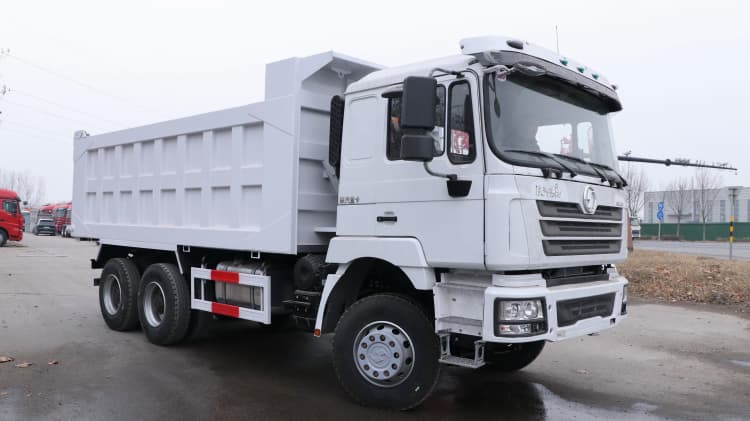
What Makes a Heavy Truck Eligible for Professional Remanufacturing?
Introduction
Not every retired heavy truck can become a certified reman vehicle. Many fleet buyers mistakenly assume any old truck that still starts and drives is suitable for remanufacturing. In standardized professional remanufacturing workflows, the core — the retired truck used as the base raw material — must pass strict technical screening before any disassembly or rebuild work starts.
Eligibility is judged by structural integrity, material condition and historical damage, not by whether the engine can idle or the truck can roll. This article outlines the key requirements that decide if a heavy truck core is qualified for professional remanufacturing.
Core Definition: What Is a Reman Core?
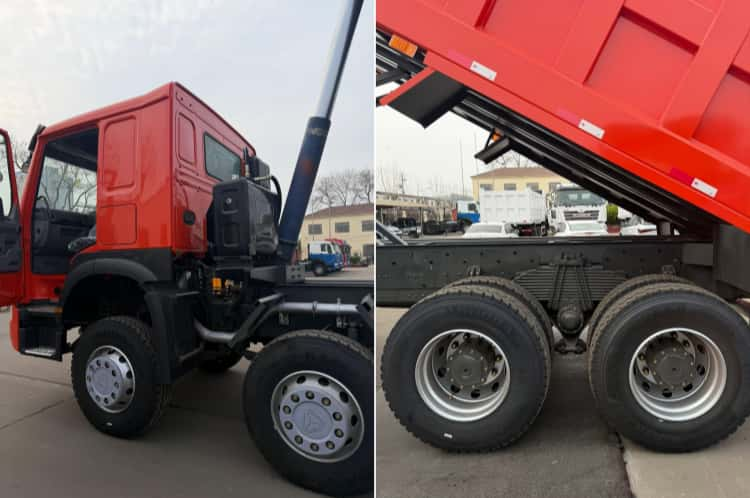
A reman core is a retired heavy-duty truck selected to undergo full industrial professional remanufacturing. It serves as the reusable structural foundation of the finished certified reman vehicle. The value of the core lies in its major cast and forged components: frame rails, engine block, cylinder head, crankshaft and axle housings.
Wearable small parts such as bearings, seals and brake linings will be replaced with new components regardless of their current condition. The screening process focuses entirely on the large load-bearing metal structures that cannot be easily swapped out.
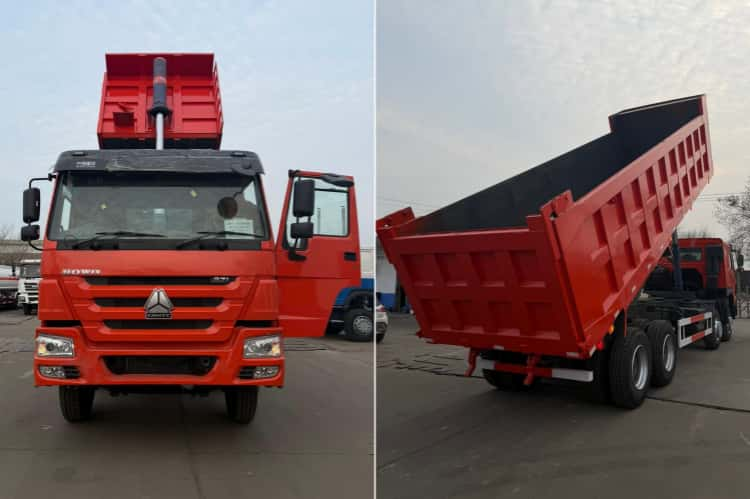
Primary Eligibility Criteria for Heavy Truck Cores
No irreversible structural cracks detected via NDT inspection
Non-Destructive Testing (NDT) is the most critical gate for core acceptance. Frame rails, engine blocks, crankshafts and axle housings must be scanned for surface and subsurface cracks.
Hairline cracks, fatigue cracks or stress fractures that cannot be fully removed through machining disqualify the core. Even if the truck still operates on the road, hidden cracks under heavy payload will expand rapidly and lead to catastrophic failure. Cores with unrepairable cracks are rejected and sent for scrap.
Frame geometry remains within OEM tolerance limits
The truck chassis frame must retain its original shape. Permanent bending, twisting or collision-induced frame distortion cannot be corrected safely in professional remanufacturing.
Minor surface scratches and paint loss are acceptable. But any frame that has been bent, straightened with heat, or cut and re-welded in load-bearing areas is not eligible. A twisted frame creates uneven load distribution, endangers steering and braking performance under heavy-duty hauling.
Corrosion level is repairable and not deep penetrating
Surface rust is common for used heavy trucks and can be removed by cleaning and machining. However, deep pitting corrosion that reduces the wall thickness of frame rails, axle housings or engine castings below OEM minimum specifications makes the core ineligible.
Thinning metal loses its load-bearing capacity. Severe corrosion cannot be fixed by painting; cosmetic repaint only hides the weakness and creates safety risks for future heavy-load operation.
No major fire or flood damage
Cores that suffered cab or engine bay fire damage are rejected. High heat from fire alters the metallurgical properties of metal castings, creating hidden brittleness that cannot be detected by simple visual checks.
Flood-damaged trucks also get rejected. Internal moisture causes unseen corrosion in crankshafts and bearing journals, even after cleaning. The long-term reliability of fire or flood-damaged metal components cannot be guaranteed.
Component base design can be restored to OEM specifications
The core model must have available OEM engineering benchmarks and matching spare parts. If the truck model is obsolete with no accessible specs or compatible replacement consumables, it is not suitable for professional remanufacturing.
The reusable core parts must have enough material allowance for precision machining. If the previous overhaul already removed excessive material from crankshaft journals or cylinder bores, there is no remaining stock for reman machining, and the core must be scrapped.
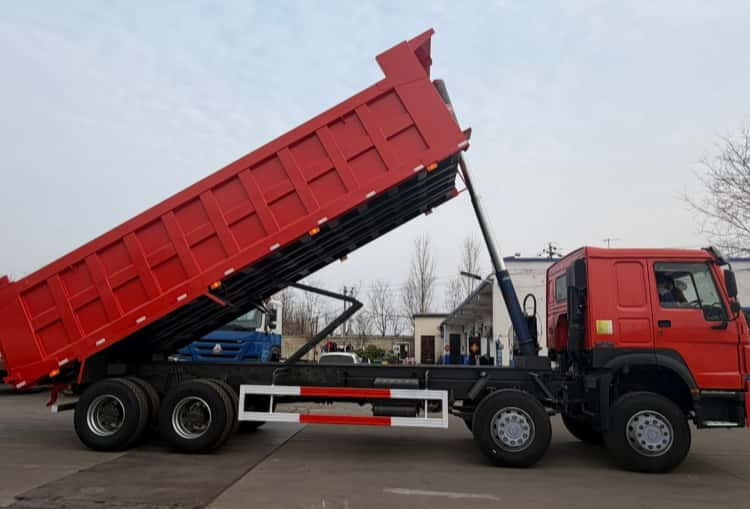
Factors That Do NOT Disqualify a Reman Core
It is important to separate serious defects from normal wear. These common conditions do not automatically reject a core:
- Normal wear on bearings, piston rings and seals (these will all be replaced with new parts)
- Exterior rust, faded paint, dents in non-load-bearing cab panels
- Degraded hoses, worn brake pads, leaking gaskets
- High engine hours, as long as structural metal components remain sound
All these wearable items will be fully renewed in the reman workflows. Only the permanent damage to structural metal is a showstopper.
Rejection Workflow for Ineligible Cores
Once inspection finds a core fails any eligibility rule, the truck is rejected before entering full reman workflows. The workshop will not spend labor and materials rebuilding a compromised core.
Rejected cores are typically dismantled for usable small spare parts or sent directly to metal recycling. They should never be passed off as reman candidates and sold to fleet buyers after only cosmetic refurbishment.
Why Core Eligibility Matters for Fleet Buyers?
The quality of the finished certified reman vehicle starts at core selection. If a remanufacturer skips NDT screening and accepts damaged cores, the resulting rebuilt truck will carry hidden structural risks, even with new paint and new wearing parts.
When purchasing certified reman vehicle, fleet operators have the right to request original core inspection reports and NDT test records from before the rebuild began. These documents prove the base truck passed eligibility screening.
Conclusion
A heavy truck qualifies for professional remanufacturing only when its key load-bearing structures pass NDT inspection, retain original frame geometry, have no deep corrosion or fire/flood damage, and have sufficient material left for precision machining.
Ordinary component wear, cosmetic damage and high operating hours are acceptable, since fatigue parts will be fully replaced. The core selection stage is the first and most critical quality gate that separates genuine professional remanufacturing from risky low-grade rebuilds.