
Is a Remanufactured Vehicle Classified As a Pre-Owned Vehicle?
Introduction
This is one of the most frequently debated questions among fleet procurement teams, finance managers and transport asset investors. On paper, a remanufactured vehicle starts its life as a retired used vehicle core. But after full standardized remanufacturing, does it still fall under the pre-owned / used vehicle category?
The short answer: it depends on local regulatory definitions, but technically and commercially, a certified remanufactured vehicle is distinct from ordinary pre-owned trucks, even if some jurisdictions still list it within pre-owned registration categories.
This article breaks down the technical definition, commercial classification, and critical distinctions that fleet owners need to understand for budgeting, insurance, depreciation and resale planning.
The Starting Point: The Reman Core Was Once a Pre-Owned Vehicle
Every certified remanufactured vehicle begins as a retired heavy-duty core, a vehicle that previously operated on roads and accumulated service hours. In this raw state, before any standardized remanufacturing work, the core is definitely a pre-owned asset.
However, verified remanufacturing is not a simple resale of that original vehicle. The entire asset undergoes a full industrial standardized remanufacturing work: full disassembly, NDT structural screening, precision machining of sound core components, complete replacement of all fatigue-critical wearing parts, OEM-spec performance testing and formal certification.
The finished vehicle retains the original VIN in most cases, which is the main reason many basic registration systems still group remanufactured vehicle under pre-owned. But the operational reliability, remaining service life and asset risk profile have been fundamentally reset.
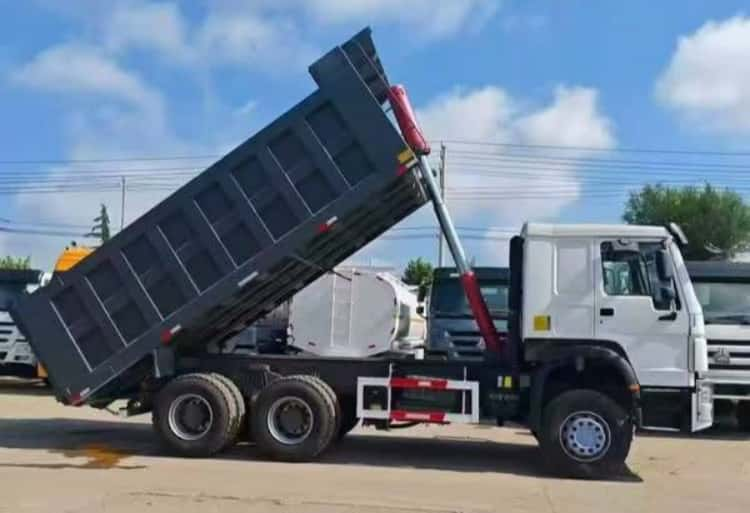
Technical Classification: Certified Reman ≠ Ordinary Pre-Owned
A regular pre-owned (used) heavy truck keeps all its original accumulated wear. Its service life is declining continuously. Wear in bearings, seals, brake assemblies and frame metal fatigue stays unchanged. When you buy a standard pre-owned truck, you inherit its existing wear history and unknown hidden defects.
A properly reman vehicle has its service cycle reset through industrial standardized remanufacturing work:
- Hidden structural defects are detected and eliminated via NDT screening at the core stage
- All finite-life consumable components are replaced with brand-new parts
- Reusable metal cores are restored back to OEM dimensional tolerances
- Full-load performance tests verify near-new operating performance
From a technical asset perspective, certified remanufactured vehicle represent a regenerated asset, not merely a second-hand truck being resold. Its failure risk curve resembles that of a new truck rather than an aged used vehicle.
Commercial & Financial Classification
For fleet TCO calculation, insurance underwriting and residual value forecasting, buyers and financiers separate certified remanufactured vehicle from generic pre-owned trucks.
- Ordinary pre-owned truck: High uncertainty in remaining lifespan, higher risk of unexpected downtime, steep unpredictable depreciation. Valuation heavily depends on past mileage, service records and visual inspection.
- Certified remanufactured vehicle: Defined reset service life, documented workflow records, audited test results. Depreciation curve is more stable, and insurers often offer terms different from regular used heavy vehicles.
Even if local vehicle registration labels it as pre-owned, fleet financial teams should treat verified reman as its own unique asset class for internal profit and budget analysis.
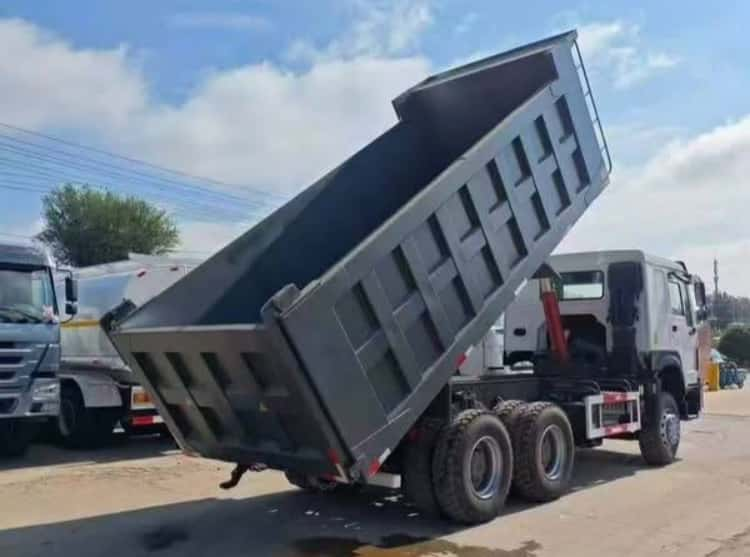
Regulatory Variations Across Markets
Classification rules differ by country, and this creates confusion for cross-border fleet buyers:
- Some markets tie vehicle classification strictly to the original VIN and manufacturing date. Since the VIN stays unchanged, remanufactured vehicle remain legally listed as pre-owned.
- A small number of jurisdictions have specific provisions for reman vehicle, allowing separate designation for certified remanufactured vehicle, distinguishing them from casual used vehicles or rebuilt salvage trucks.
- Salvage-rebuilt trucks (simple cosmetic overhauls from damaged cores) are always classified as pre-owned with major damage history, and they should never be confused with standardized remanufacturing.
It is critical to check local transport authority rules before purchase, as registration, import duty and warranty rules are affected by this classification.
Key Misconception Correction
Myth: If a vehicle was once used, it is just a pre-owned truck no matter how much rebuilding work is done. Fact: The raw core was pre-owned, but standardized remanufacturing fundamentally renews the asset’s functional state. The difference is comparable to re-melting and recasting metal versus restoring a qualified metal core with full part replacement and performance validation.
A cosmetic overhaul vehicle is simply a cleaned-up pre-owned truck. Certified reman is industrial asset regeneration. The label on paperwork may stay the same, but the asset quality and risk profile are not.
Practical Implications for Fleet Buyers
- Import & Customs: Many African and emerging market customs authorities classify remanufactured vehicle under used vehicle import rules. Confirm import regulations before shipment.
- Asset Depreciation: Do not apply standard used-truck depreciation rates to verified reman assets. Their residual value holds better.
- Insurance: Share reman certification, NDT and test documents with insurers to negotiate better coverage terms than regular pre-owned trucks.
- Contract wording: In purchase agreements, clearly define the vehicle as certified remanufactured, not simply “used / pre-owned”, to avoid disputes about quality standards and warranties.
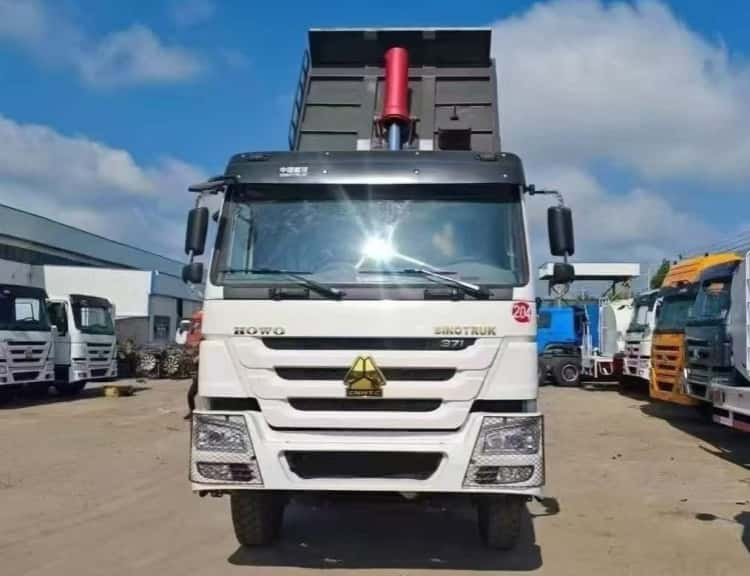
Conclusion
Legally and administratively, many regions still classify remanufactured vehicle under pre-owned vehicle categories, mostly because the original VIN is retained and the base core was once an operating used truck.
Technically and commercially, however, a fully reman vehicle is not equivalent to an ordinary pre-owned heavy truck. Its structural integrity, wearing components and performance have been systematically restored, and its service life reset via standardized reman workflow.
Fleet buyers must separate administrative registration labels from real asset quality. When evaluating remanufactured vehicle, focus on reman certification, NDT reports and full remanufacturing work documentation rather than only relying on the “pre-owned” administrative label.