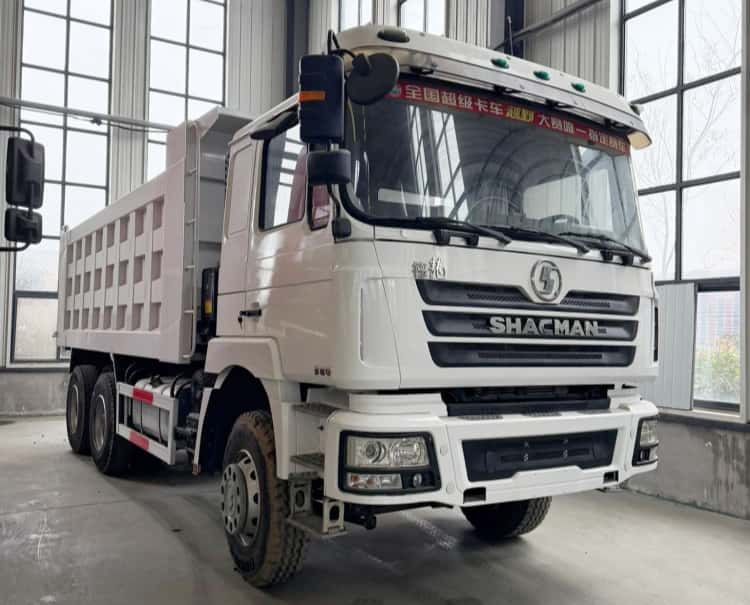
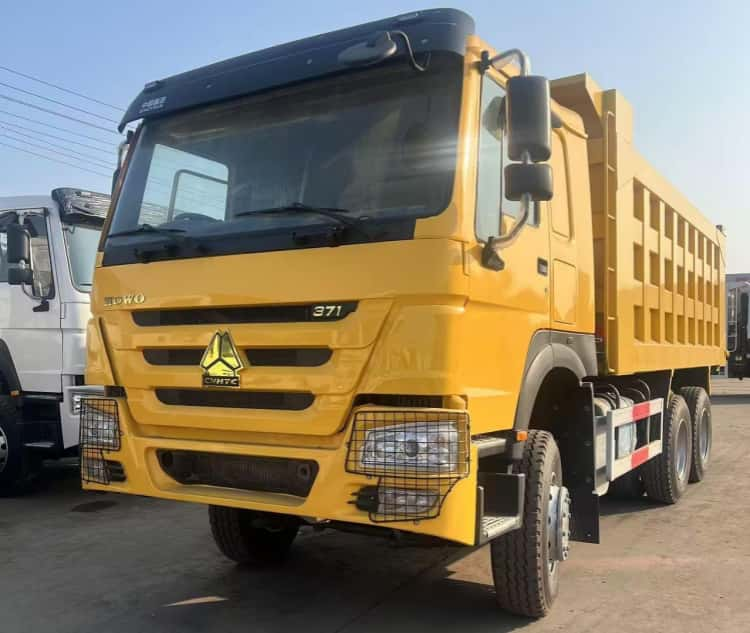
Where Does Industrial Remanufacturing Come From, And How It Developed?
Introduce
Many view heavy truck remanufacturing as a newly trendy sustainability concept born from the circular economy. In fact, industrial remanufacturing has a long, practical origin rooted in equipment shortage, maintenance demand and engineering practice. It has gradually evolved from scattered part reuse into a systematic, standardised whole-vehicle asset lifecycle reset industry. This article reviews its origin phases, key turning points and ongoing evolution, placing REMAN ROAD’s standardisation mission within this broader industry timeline.
The early prototype: emergency reuse and field repair under resource pressure
The earliest embryonic form of remanufacturing emerged out of necessity, rather than environmental goals.
- In periods of equipment supply shortage, operators and maintenance teams recovered usable core components from retired heavy machinery, repaired worn surfaces and fitted them back into working vehicles.
- This stage focused purely on function recovery. There were no unified tolerances, grading rules or formal testing standards. The goal was straightforward: keep expensive heavy assets running when new replacements were unavailable.
- It was not yet “industrial remanufacturing” in the modern industrial sense. The line between repair, scavenging and component reuse remained completely blurred. There was no expectation of resetting an asset’s full lifecycle.
This phase laid down a basic idea: valuable metal and engineering assets embedded in heavy vehicles do not have to end up as scrap once they show signs of ageing.
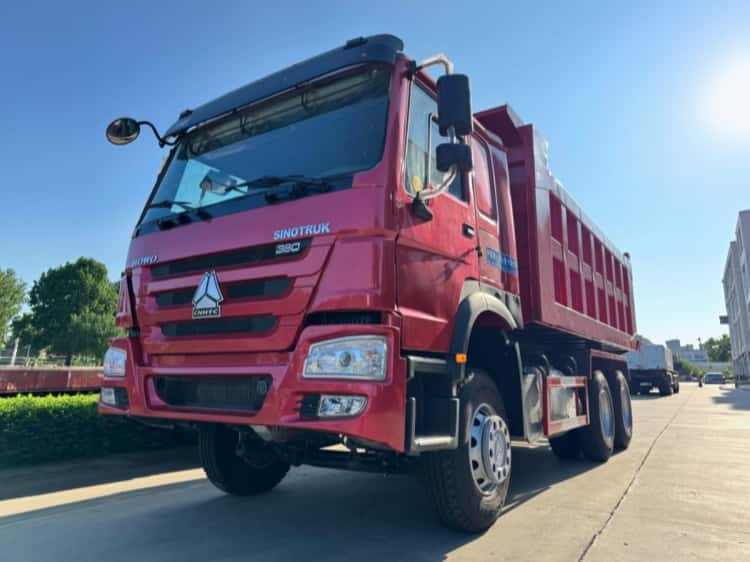
The first formalisation: OEM-led component reman for after-sales service
As commercial vehicle markets matured, original equipment manufacturers recognised the commercial value of controlled core recovery. This marked the first major turning point.
- OEMs launched factory-run reman programs for high-value assemblies: engines, transmissions, axles and steering units. These parts were rebuilt according to internal factory drawings and test standards and sold as exchange units for after-sales maintenance.
- For the first time, clear specifications, tolerances and warranty terms were applied to rebuilt assets. Remanufacturing separated itself from informal roadside rebuild work.
- Even so, this phase remained component-centred. The industry mindset focused on individual assemblies, not the harmony and lifecycle of the complete heavy truck. Whole-vehicle reman was rare and inconsistent.
For decades, this component-focused model became the mainstream image of remanufacturing across the heavy vehicle sector.
The shift toward system thinking: recognising whole-vehicle interdependency
A critical limitation gradually became obvious: even high-quality reman assemblies could create risks when mismatched within an aged vehicle frame and supporting systems.
- Industry engineers realised a heavy truck operates as an interconnected system. Frame fatigue, cab deformation, ageing wiring harnesses and degraded brake circuits cannot be ignored simply because the engine or axle has been rebuilt.
- Operators reported uneven reliability, unpredictable downtime and safety risks on trucks assembled from mixed reman and used components.
- This pushed a new discussion: remanufacturing should assess and restore the complete vehicle, not swap good assemblies into a worn host chassis.
This is the theoretical foundation for the whole vehicle reman concept that REMAN ROAD is built upon.
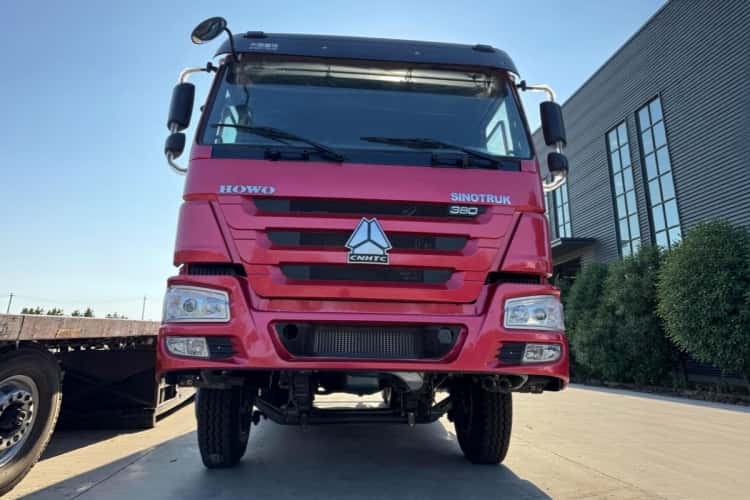
Policy and ESG catalyst: remanufacturing enters circular economy frameworks
In recent decades, sustainability regulations, carbon accounting rules and raw material supply pressure accelerated institutional recognition of remanufacturing.
- Governments and industrial bodies began classifying qualified industrial remanufacturing separately from repair, overhaul and scrap recycling, because it delivers far greater virgin material savings and emission reductions.
- Large fleet buyers started requiring verifiable ESG benefits for their asset portfolios, creating market demand for auditable, traceable reman assets.
- The downside of this rapid expansion was fragmentation. Different regions, workshops and buyers used conflicting definitions. The same word “remanufactured” described rigorously reset vehicles and loosely refurbished rebuilds alike.
Market growth exposed the lack of shared global benchmarks, which became the biggest bottleneck for wider adoption.
The current evolutionary stage: global standardisation and unified terminology
We are now in this ongoing phase: moving from local, workshop-based practice toward a globally aligned industrial system.
- The core challenge is no longer proving remanufacturing works. The challenge is building shared rules so buyers, manufacturers, auditors and customs authorities interpret “industrial remanufacturing” in the same way.
- This is where frameworks such as REMAN ROAD fit into the history of remanufacturing. It aims to lock in whole-vehicle evaluation logic, unify definitions, set inspection gates and standardise traceability records across borders.
- The industry is gradually shifting its priority: from “can we rebuild this truck?” to “can we prove this truck has been reset to a consistent, repeatable engineering baseline?”
The next frontier of development
Looking forward, the evolution will continue along several clear directions:
- Wider adoption of digital traceability linked to VIN, recording the full reman workflow history of each heavy truck.
- Harmonised cross-border customs classification, removing trade barriers for certified reman assets.
- More refined asset eligibility screening, based on material fatigue science rather than visual judgement.
- Broader acceptance of whole-vehicle reman by large fleets as a formal asset category alongside new and used trucks.
Closing Summary
Industrial remanufacturing started as pragmatic emergency reuse of valuable components, matured through OEM component exchange programs, and is now transitioning toward whole-vehicle, standardised lifecycle reset. Its development is driven first by engineering economics, then by safety concerns and circular economy policy. The current chapter of its history is defined by the fight against market confusion and fragmentation — exactly the problem REMAN ROAD is designed to solve.