Core Regeneration: The Heart of Industrial Remanufacturing
Introduce
The entire circular model of industrial remanufacturing revolves around one foundational concept: core regeneration. While many market conversations focus on finished reman trucks, testing standards or warranty terms, the whole value chain rises or falls on how core assets are selected, screened and regenerated.
Under the REMAN ROAD industrial reman framework, a “core” is not merely a broken old truck waiting for parts replacement. Core regeneration is the disciplined process of unlocking the remaining engineering value embedded within an eligible heavy asset, and converting it into a vehicle that can reliably complete a second full lifecycle. This article explains why core regeneration sits at the centre of standardised industrial remanufacturing.
What a core means in industrial remanufacturing?
A core is the incoming base heavy truck that enters the reman processing. It is the raw asset of the circular supply chain.
- A qualified core must first pass the pre-rebuild eligibility gate: structural integrity review, NDT inspection, service and accident history audit, and baseline system testing.
- Not every retired truck qualifies as a regenerable core. Assets with irreversible structural fatigue, severe frame corrosion, undocumented major collisions or overload damage are rejected and routed to material recycling instead.
- This separates a genuine reman core from scrap trucks, accident write-offs or casually sourced used chassis. Without a valid core, there is nothing to regenerate.
Regeneration starts long before disassembly. It begins with the judgement that the asset still retains enough residual safety margin to support OEM-spec restoration.
Core regeneration is different from component harvesting
A common misunderstanding treats core handling as simply stripping usable parts for separate resale.
- Component harvesting extracts high-value assemblies from a truck to feed separate repair markets, with no intention of rebuilding the original host vehicle. Once usable parts are removed, the remaining chassis is scrapped.
- Core regeneration treats the whole truck as a single integrated asset. The frame, cab structure and matched system architecture are preserved as the foundation. Disassembly, grading and restoration all serve the goal of rebuilding this specific core back into a complete, balanced heavy vehicle.
- In REMAN ROAD terminology, harvesting is upstream recycling activity, while core regeneration is the heart of industrial remanufacturing.
The key stages of structured core regeneration
Regeneration follows the gated workflow designed to preserve and reset the core asset, rather than patch its faults.
- Core intake & locking: The truck is registered under its unique VIN, and its service and damage history is fixed into the traceability record. No mixing of components from other cores is permitted without clear logging.
- Full disassembly & exposure: The core is fully stripped, so hidden fatigue, corrosion and wear can be inspected across load-bearing structures and sealed systems.
- Component grading against OEM limits: Every removed part is measured and sorted. Restorable components are processed; worn-out parts are scrapped and replaced with qualified equivalents.
- Chassis revalidation: The bare frame undergoes deep cleaning, secondary NDT and dimensional verification. This is the most critical checkpoint for the core’s structural foundation.
- System reassembly and recalibration: Parts are reassembled following OEM assembly logic, torque values and calibration parameters to restore original system harmony.
- Full-vehicle validation: Dynamometer and loaded road tests confirm the regenerated core performs consistently to OEM specification.
Only after passing these reman processing gates does regeneration finish, and the asset transitions into a certified reman truck.
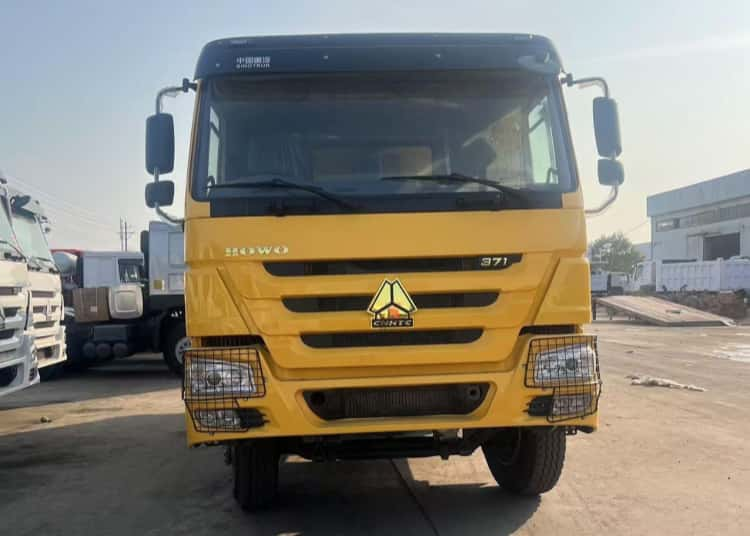
The engineering value captured through core regeneration
Heavy trucks carry enormous embedded value from raw material mining, forging, casting, machining and original factory assembly.
- Core regeneration preserves the already invested carbon and material value of the frame and primary structure. Instead of melting the chassis back into raw steel, the asset’s engineered geometry and load-bearing design are reused.
- This is the source of reman’s core ESG advantage: material savings and emissions reductions come primarily from successful core regeneration, not from swapping a few refurbished parts.
- When cores are poorly selected or rushed through regeneration, these sustainability claims become hollow. A weak core forced through rebuild will deliver poor reliability and erase the environmental and economic benefits.
Risk control: the biggest challenge of core regeneration
Because every core has its own unique service history, core regeneration is far more complex than manufacturing a brand-new truck from uniform raw materials.
- New trucks are built from components designed to zero accumulated fatigue. Each reman core arrives with a unique wear profile, corrosion pattern and stress history.
- Standardised rules are essential to offset this variability. REMAN ROAD’s pre-screening gates, mandatory NDT and component grading rules create consistent evaluation criteria across different cores.
- If core selection standards are relaxed to accept borderline assets, downstream failures, safety risks and inconsistent TCO performance will follow. This is why responsible reman operators treat core screening as their strictest quality gate.
Core regeneration and the reverse supply chain
A mature reman ecosystem depends on a stable, predictable flow of high-quality cores.
- The reverse supply chain’s main purpose is to source, collect and pre-sort eligible cores for regeneration. Without controlled core sourcing, standardised whole-vehicle reman cannot scale.
- Many informal rebuild operations suffer from unstable quality simply because their core supply is unfiltered. They accept any cheap used truck and attempt to rebuild it.
- REMAN ROAD’s ecosystem design includes shared core classification rules, so suppliers, fleets and auditors can align on what counts as a regenerable core across regional markets.
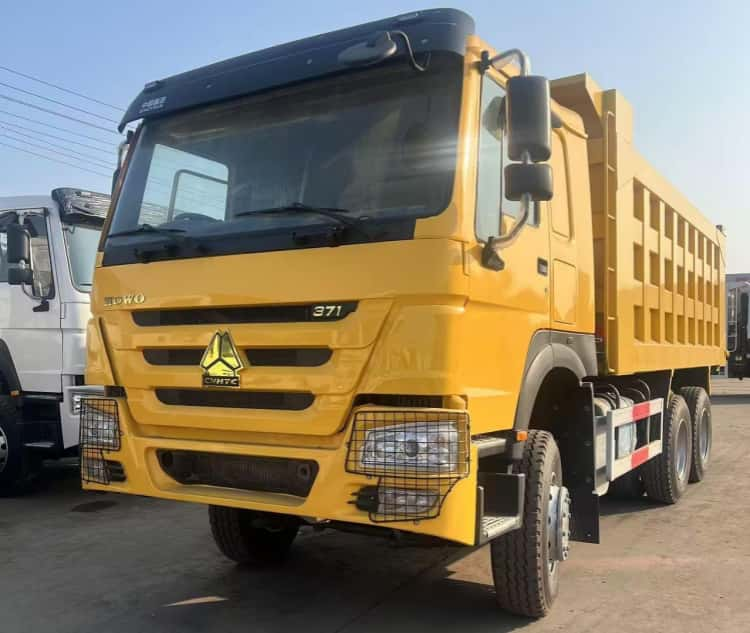
What successful core regeneration delivers for fleet owners?
For fleet procurement teams, the value of regeneration translates into tangible asset characteristics:
- A truck reset to a predictable second lifecycle, not a used vehicle with patched faults.
- Verified structural safety baseline, supported by documented inspection of the original core chassis.
- Auditable ESG impact, based on retained embedded material value of the core.
- Consistent performance aligned to OEM design intent, rather than ad-hoc rebuild outcomes.
A certified reman truck is only as reliable as the regeneration process that created it.
Closing Summary
Core regeneration is the beating heart of industrial remanufacturing. It is the process of selecting an eligible heavy truck core, unlocking its remaining structural and engineering value, eliminating accumulated fatigue and wear, and rebuilding it into a balanced, OEM-spec asset ready for a new lifecycle.
Every other reman activity — disassembly, cleaning, testing, calibration and certification — exists to serve this regeneration logic. Under REMAN ROAD, rigorous core screening and controlled regeneration separate genuine industrial remanufacturing from informal rebuilds, and form the foundation of a trustworthy circular heavy asset market.