Step-by-Step Guide to Genuine Reman Vehicle Procurement for Construction Fleets
Intro
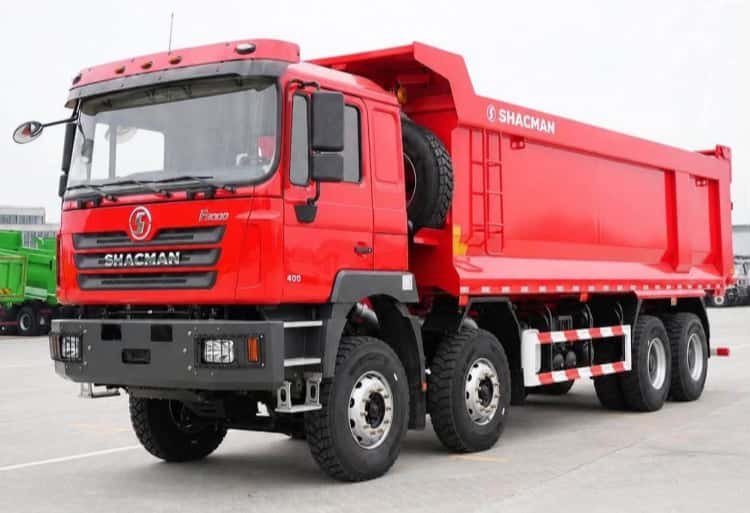
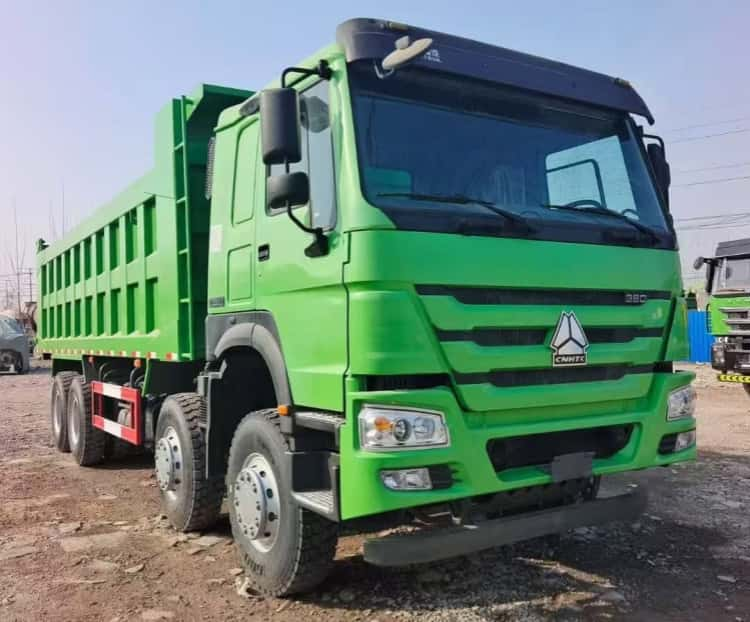
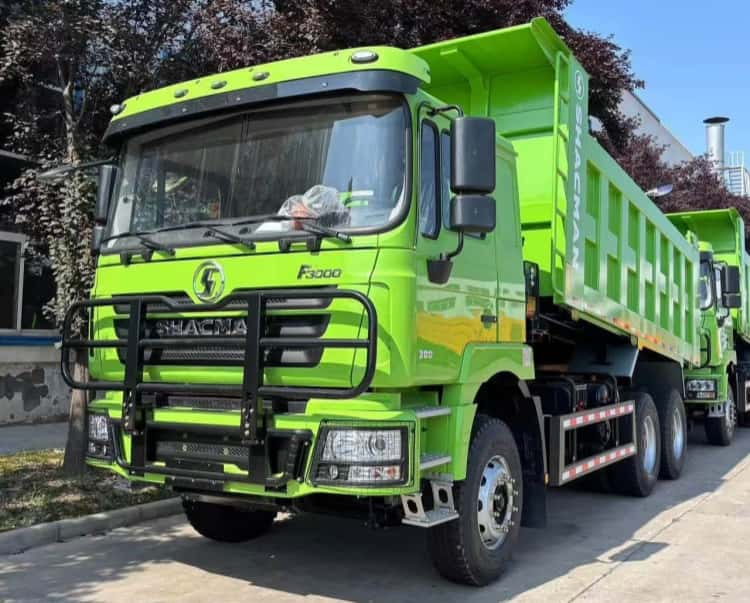
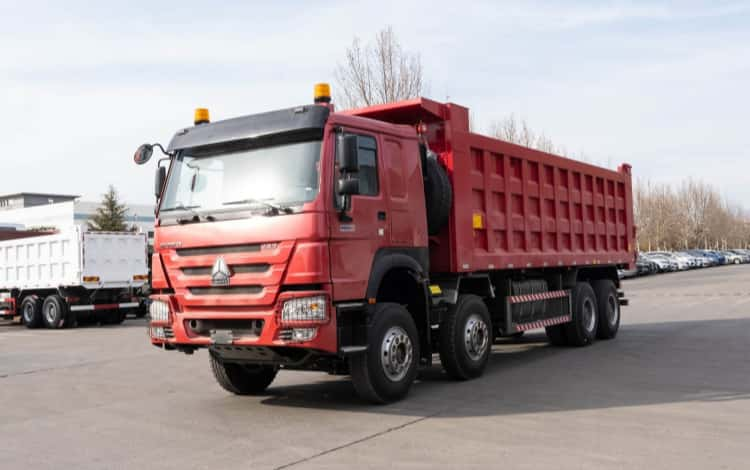
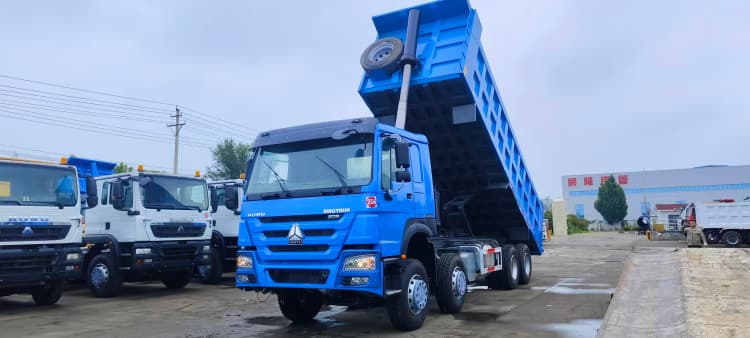
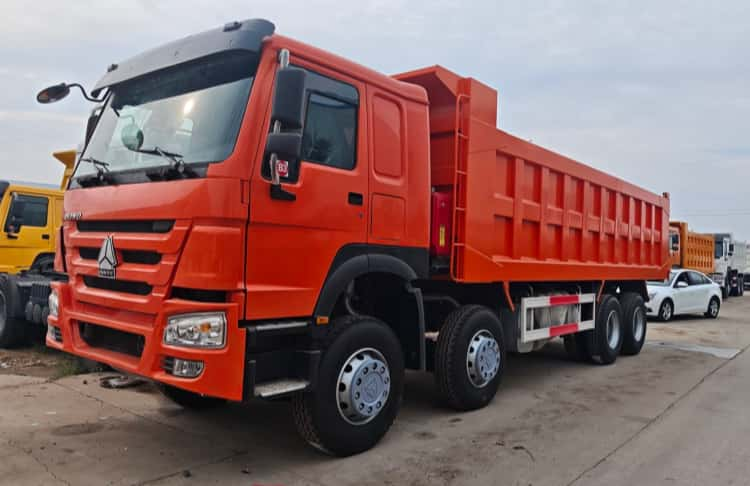
Construction fleets operate in high-cycle, shock-heavy environments: quarry sites, muddy access roads, frequent tipping, variable payload and rough terrain. For this use case, a cheap reconditioned truck can trigger costly downtime, site safety violations and contract delays. Genuine reman vehicle procurement is not just price comparison. It is a structured engineering and compliance process that matches the reman vehicle to your construction duty cycle, validates structural safety and locks in traceability. This guide is built for construction fleet procurement teams, aligned with REMAN ROAD genuine reman vehicle standards.
Step 1: Define your fleet duty profile before contacting suppliers
Start with operational requirements, not truck models. Construction duty varies widely, and the certified duty envelope must match your site conditions.
Document these inputs:
- Maximum gross payload, average loaded weight and frequency of peak loads
- Terrain type: paved yard / mild off-road / steep quarry / muddy ungraded site
- Daily tipping cycles, number of loaded round trips per shift
- Operating hours per day, contract duration and expected service life for the asset
- Local registration rules, emission requirements and site safety audit standards
- Maintenance capacity: whether your workshop can perform periodic NDT rechecks
Output from this step: a clear requirement brief. This brief tells suppliers what safety margin and operating limits you need, instead of letting them sell you a generic “heavy-duty” truck.
Red flag to avoid: ordering based only on horsepower and wheelbase. A chassis with reduced structural margin may have enough power but cannot survive repeated quarry shock loads.
Step 2: Vet suppliers against formal reman workflow standards
Filter out vendors that only offer reconditioning or cosmetic rebuilds. Focus your evaluation on process capability, not delivery speed or low headline price.
Verify these supplier credentials:
- Written core acceptance baseline (rejection rules for crash, overload, severely corroded cores)
- In-house or partnered accredited NDT inspectors with traceable licence numbers
- Full teardown capability for frame, steering, axle and driveline assemblies
- Published mandatory renewal parts list for construction-duty units
- Loaded test bench or site validation procedure, not only empty-yard testing
- Immutable VIN traceability system, independent from editable sales documents
- Experience delivering reman units for construction, quarry or tipper applications
Ask to see sample full traceability packages for previously delivered construction trucks. If they only provide photos and short certificates, they are not performing lifecycle reset.
Step 3: Pre-qualify the core before reman work begins
The biggest risk is pouring labour into an unsuitable core. For construction use, core screening is stricter than highway long-haul standards.
Mandatory core screening checks:
- Full service history review: prior overload, rollover, frame impact or hot-straightening
- Pre-teardown dimensional survey: frame twist, axle offset and suspension saddle geometry
- Material grade confirmation to ensure the base chassis is designed for cyclic off-road shock
- Initial corrosion assessment to rule out advanced flange or weld-root corrosion
A core with unknown accident history or repeated heavy off-road abuse is usually rejected for construction reman. Even if it runs, residual stress creates high fatigue risk under site shock loads.
Step 4: Lock in procurement terms and documentation scope in the RFQ / contract
Construction fleets need enforceable clauses tied to reman deliverables. Do not rely on verbal promises.
Specify in the contract that each genuine reman vehicle must deliver:
- Unique VIN-linked full traceability bundle
- Core intake report, NDT fatigue scan maps and raw thickness measurement logs
- Itemised mandatory renewal component register with serial numbers
- Dimensional, steering and driveline calibration records
- Loaded performance test report matching your site rated payload
- Final certified duty envelope with clear terrain and cycle limits
- Third-party accredited inspection signatures where required
Also define:
- Acceptance pass/fail criteria
- Warranty coverage boundary (only valid when operated within the duty envelope)
- Failure analysis process for structural defects
- Rejection rights if reports are tampered, reused or inconsistent
- Compliance paperwork for import, registration and site audit
Step 5: Audit test and inspection records before physical inspection
Do not travel to inspect the truck before reviewing the full reman vehicle document package. Use the report reading framework to cross-check the engineering logic.
Key audit points for construction reman:
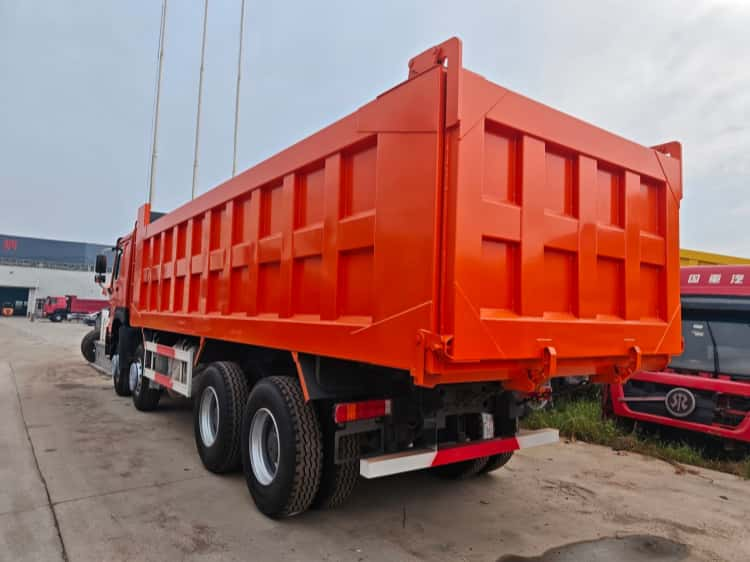
- NDT coverage includes all high-stress tipper zones: frame flanges, crossmember mounts, hoist brackets, steering knuckles
- Corrosion readings are mapped on load paths; moderate corrosion triggers tighter payload or cycle limits
- Mandatory renewal list includes high-wear construction items: kingpin assemblies, U-joints, suspension fasteners, hydraulic seals and brake chambers
- Final loaded test replicates construction loading: full payload, tipping cycles, rough-surface vibration check, brake stability test
- Duty envelope explicitly states whether it is approved for quarry / off-road use, or highway-only
Look for contradictions: a reman vehicle report that notes frame pitting but still claims full OEM mining rating is a major red flag.
Step 6: On-site physical verification and cross-matching
Once documents pass audit, complete physical inspection. Your goal is to confirm the truck in front of you matches the report.
On-site checks:
- Frame VIN stamping, axle serial numbers and engine serial numbers match the traceability file
- Visible markers from NDT inspection match the scan map locations
- Check renewed part tags and serial numbers against the renewal list
- Witness a live loaded test if possible: full rated payload, tipping cycles, steering and brake response
- Check marking: “remanufactured” labelling, duty envelope plate and warning labels
Common fraud scenario: documents belong to a different good core, then paired with a lower-quality chassis for delivery. Serial number cross-checks catch this.
Step 7: Formal acceptance and handover of the complete traceability package
Acceptance is not signing off after a quick test drive. Acceptance only happens when the full, unmodified traceability record is transferred to your fleet document system.
Store these genuine reman vehicle records permanently:
- Original inspection reports and raw NDT files
- Duty envelope operating limits, shared with site supervisors and drivers
- Warranty certificate and contact for technical support
- Recommended re-inspection interval for structural welds
Train your site team on the duty envelope. Construction crews often push payload or run extra tipping cycles, which consumes the engineered safety margin and voids the reliability guarantee.
Step 8: Integrate reman units into your fleet maintenance schedule
Genuine reman vehicles have predictable wear patterns, but they are not maintenance-free. Set up a dedicated maintenance workflow separate from new trucks.
Schedule:
- Regular visual checks of high-stress brackets and welds
- Periodic re-NDT inspection at the interval stated in the traceability report
- Proactive replacement of high-cycle hydraulic and suspension parts
- Logging of actual payload, terrain and cycle count to track remaining service life
Track TCO for each genuine reman vehicle separately. This data helps you refine future procurement requirements and compare reman, used and new asset performance.
Step 9: Post-delivery audit and supplier performance tracking
After 3–6 months of site operation, review uptime, repair frequency and failure modes. If repeated issues appear, trigger the supplier’s failure analysis process using the original traceability baseline.
Track supplier KPIs:
- Document completeness and accuracy
- Consistency between reported specs and real-site performance
- Response speed for structural or warranty issues
- Absence of hidden tampering or reused reports
Common procurement pitfalls for construction fleets
- Pitfall 1: Treating tipper reman the same as highway truck reman. Tipper brackets and hoist mount points carry unique fatigue risks.
- Pitfall 2: Waiving loaded testing to speed up delivery. Site shock loads are the main failure driver for construction assets.
- Pitfall 3: Buying based on low price, assuming “reman” means safe for quarry work. Most low-cost rebuilds skip frame NDT.
- Pitfall 4: Not communicating duty envelope rules to site operations. Misuse quickly erodes the safety margin.
Quick procurement checklist for construction fleets
- ✅ Document site payload, cycle and terrain requirements before sourcing
- ✅ Confirm supplier has construction/tipper reman experience and accredited NDT capacity
- ✅ Review core intake history and dimensional screening results
- ✅ Audit NDT, corrosion, calibration and loaded test records
- ✅ Cross-verify VIN and component serial numbers on-site
- ✅ Receive full traceability bundle and signed duty envelope
- ✅ Train site team on operating limits
- ✅ Schedule periodic structural re-inspections
Final Takeaway
Genuine reman vehicle procurement for construction fleets is a match-making process. It aligns a qualified core, rule-based lifecycle reset, validated safety margin and defined operating limits with your harsh site duty cycle.
The construction reman process moves from operational requirements → supplier vetting → core qualification → document audit → on-site verification → acceptance and ongoing maintenance. Skipping any reman process saves time upfront but exposes your fleet to safety risks, unplanned downtime and contract penalties on construction sites.