How Certified Reman Vehicles Simplifies Asset Depreciation Forecasting For Your Finance Team?
Intro
Depreciation forecasting is one of the trickiest finance tasks for fleets running assorted used trucks. Condition history, hidden fatigue, undocumented repairs and inconsistent quality mean two identical-year chassis can depreciate at wildly different rates. Finance teams are forced to rely on rough market guesses, leading to inaccurate TCO projections, budget variances and surprises when trucks are resold.
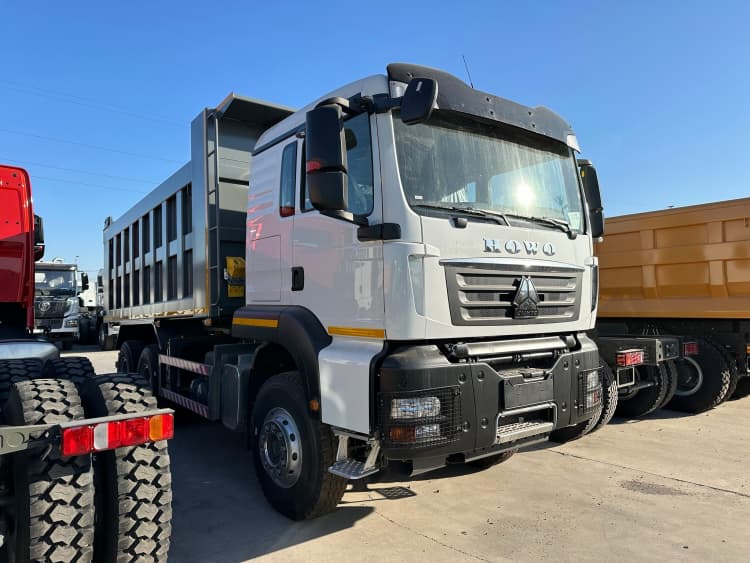
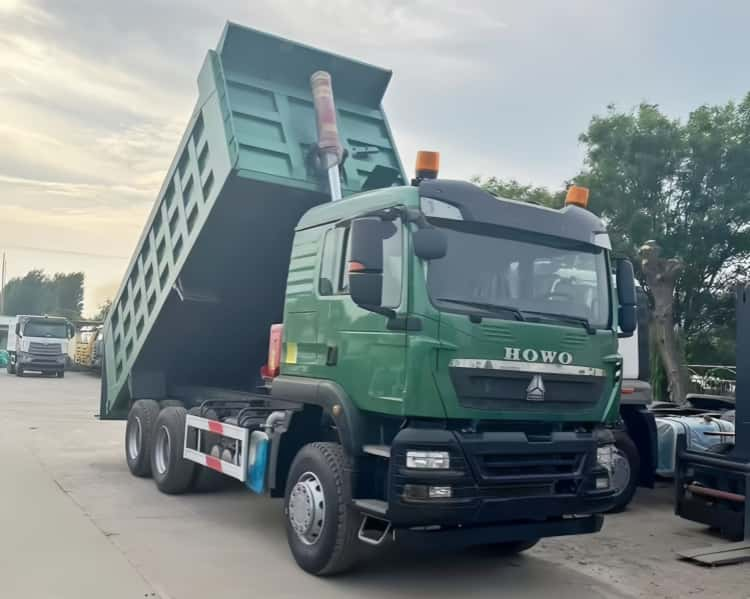
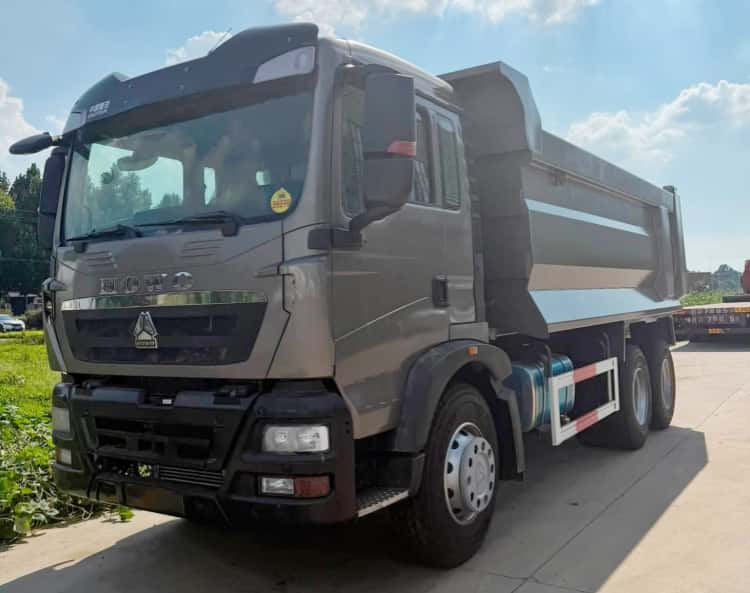
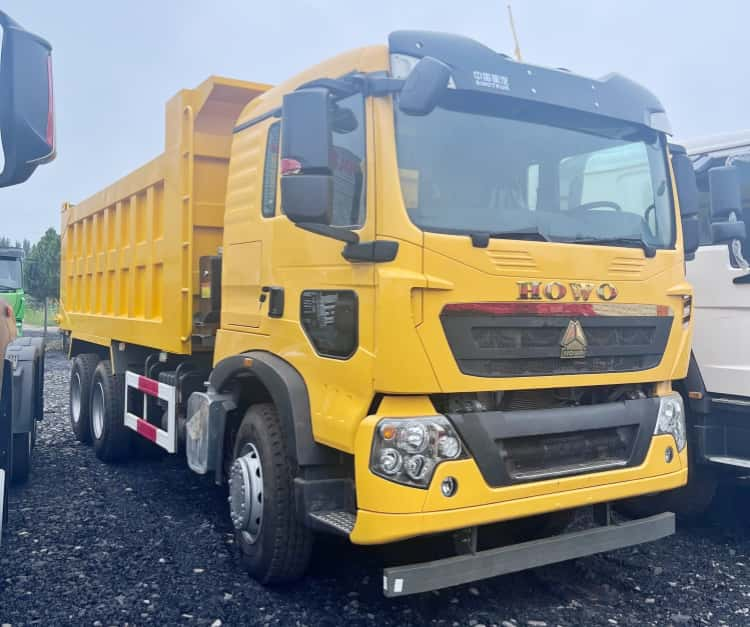
REMAN ROAD certified reman vehicles establish a consistent, auditable asset baseline. Every certified reman vehicles is graded, tested and documented under the same standard, with residual-value benchmarks tracked by duty class and variant. This article explains how certified reman vehicles simplifies depreciation forecasting for your finance team.
Standardised quality baseline removes condition guesswork
With generic used trucks, depreciation assumptions must account for unknown risk. A truck may look clean on the outside but carry hidden frame fatigue or unrecorded major failures, which will crater its resale value later. Finance teams need to add large contingency buffers to their depreciation models.
All REMAN ROAD certified reman vehicles pass the same NDT, bench test and third-party audit workflow. Assets of the same model and duty class share a verified quality floor. Your finance team can apply a unified depreciation schedule for matching reman vehicles, instead of creating custom depreciation rules for every individual chassis. Forecasts become grounded in consistent engineering validation rather than visual condition estimates.

Traceability creates defensible residual-value benchmarks
Resale buyers discount used trucks heavily when there is no proof of prior testing and component renewal. When you sell a REMAN ROAD reman vehicles, the full VIN traceability package travels with it. Buyers can review what was inspected, retained, renewed or replaced during remanufacturing.
This transparency stabilises residual value. Finance teams can reference historical REMAN ROAD sales data for the same variant and duty cycle to build depreciation curves. Forecasts are no longer just speculative; they are backed by real, comparable asset transaction data.
Duty classification lets you segment depreciation models
The rate of depreciation is heavily driven by workload. A truck operating continuous heavy off-highway quarry cycles will degrade faster than a unit doing smooth highway shuttle work. Mixed used fleets rarely have clear duty records, so finance cannot separate usage-driven depreciation.
Each REMAN ROAD certified reman vehicles carries a formal duty classification stored in its traceability log. Your finance team can split the fleet into separate forecasting buckets: highway long-haul, medium construction, heavy off-highway mining. Each bucket uses a tailored depreciation rate aligned with expected wear rates for that duty profile. This segmentation improves forecast accuracy.
Predictable maintenance schedules reduce depreciation volatility
Unexpected major repairs alter the net book value of assets. A surprise engine or frame failure can force write-downs that were never budgeted for.
REMAN ROAD’s planned maintenance rhythm reduces the risk of sudden, value-destroying catastrophic failures. Wear progression is predictable, and major component refresh events can be scheduled and modelled in advance. Finance can plan for scheduled capital refreshes instead of absorbing unplanned asset impairment charges.
Consistent asset data streamlines reporting for stakeholders
Lenders, auditors and company leadership often ask for TCO and asset value reports. A mixed used fleet means finance spends hours validating condition history and justifying depreciation assumptions.
Certified reman vehicles have standardised, repeatable documentation. The same dataset feeds internal budgeting, month-end fixed-asset reporting, lender updates and tender TCO calculations. Assumptions are easy to explain and defend during audits.
Important guardrail
Even with certified reman vehicles, depreciation is still affected by market conditions, commodity cycles and how the truck is operated after deployment. Overloading, abuse and skipped maintenance will accelerate wear and reduce residual value. REMAN ROAD certified reman vehicles delivers a stable forecasting foundation, but it does not lock in residual value permanently.
Final Takeaway
Unknown condition and hidden risk make used-truck depreciation forecasting a constant guessing game. For finance teams, the key takeaway is simple: REMAN ROAD certified reman vehicles delivers uniform quality standards, duty-class segmentation and traceability-backed residual benchmarks, so depreciation forecasts are more consistent, auditable and far less prone to unexpected variances.