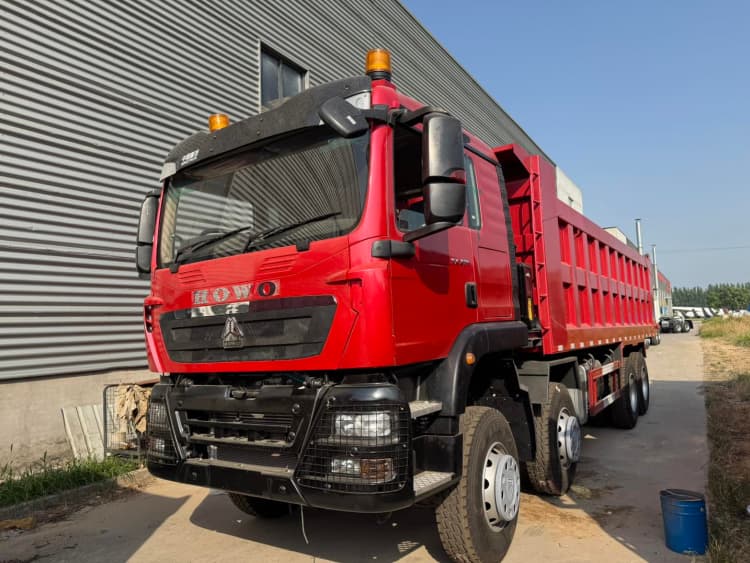
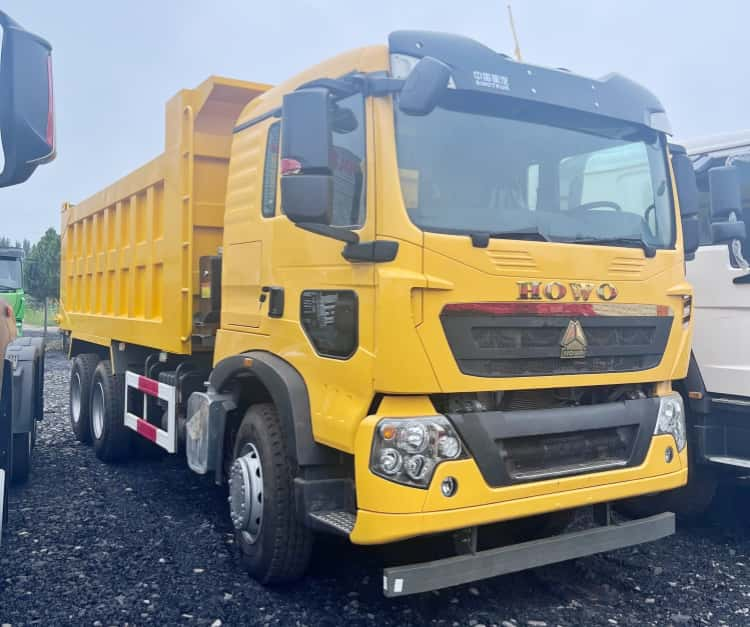
The Ways Reliable Remanufacturing Reduces Lost Revenue Caused By Slow, Unplanned Parts Procurement
Intro
Unplanned breakdowns often turn minor component failures into major revenue losses, not because the repair itself is complex, but because parts procurement drags on. Fleets running aging, unvetted used trucks frequently face discontinued part numbers, inconsistent cross-references, grey-market supply delays and unreliable lead times. While the truck sits idle, hauling contracts stall, stockpile movement halts and fixed operating costs keep accruing.
REMAN ROAD reliable remanufacturing addresses this procurement risk at the rebuild stage. Engineering teams assess component availability, validate approved part substitutions, and lock a standardised bill of materials into each unit’s VIN traceability log. This proactive approach cuts the risk of costly downtime triggered by slow, reactive parts sourcing. This article outlines the key ways verified reliable remanufacturing reduces revenue lost to delayed parts procurement.
Obsolescence screening removes hard-to-source parts before deployment
On ordinary used trucks, technicians only discover that a critical part is obsolete after it fails. At that point, your team enters a race to locate dwindling OEM stock, uncertified second-hand assemblies or expensive custom alternatives. Lead times can stretch for weeks, and there is no guarantee the sourced part will match the original specs.
During REMAN ROAD reliable remanufacturing, every component is cross-checked against OEM end-of-life notices and global supplier availability. If a part is no longer readily accessible, the engineering team replaces it with a validated form-fit-function equivalent. All substitutions are bench-tested for compatibility and fully documented. This means the truck leaves the facility built around widely available, current-generation parts, eliminating the need to chase rare, discontinued hardware mid-operation.
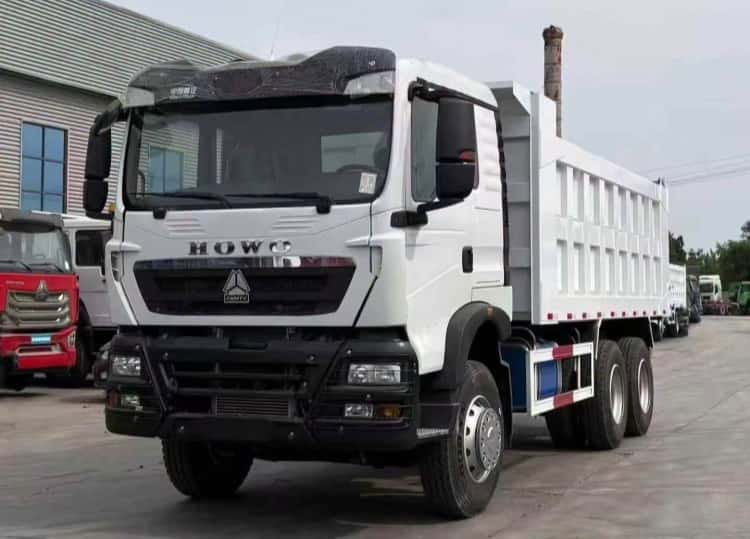
Standardised bill of materials streamlines inventory planning
Mixed used fleets create a fragmented parts landscape. Two trucks of the same model may have different internal assemblies, requiring separate part numbers and multiple suppliers. Inventory planners struggle to forecast demand, and emergency orders become routine.
All REMAN ROAD professional reman trucks of the same model and duty classification share a controlled, approved parts list. Maintenance teams can centralise stocking around this fixed list. Instead of maintaining a sprawling, unpredictable inventory of niche cross-reference parts, you hold targeted stock of high-wear assemblies. When service is required, the correct part number is known upfront, cutting ordering delays.
Traceability logs give procurement teams instant reference data
When a fault occurs, time is wasted if your procurement team does not know which version of a component is fitted. They may order the original OEM part number, only to find it is incompatible with upgrades or substitutions made by prior repair shops.
Every REMAN ROAD professional reman trucks’s traceability record stores original part numbers, approved replacement references and engineering sign-off for all modifications. Procurement staff can pull the VIN record and immediately know which supplier and part number to use. This eliminates trial-and-error ordering, prevents wrong-part shipments and compresses the sourcing timeline.
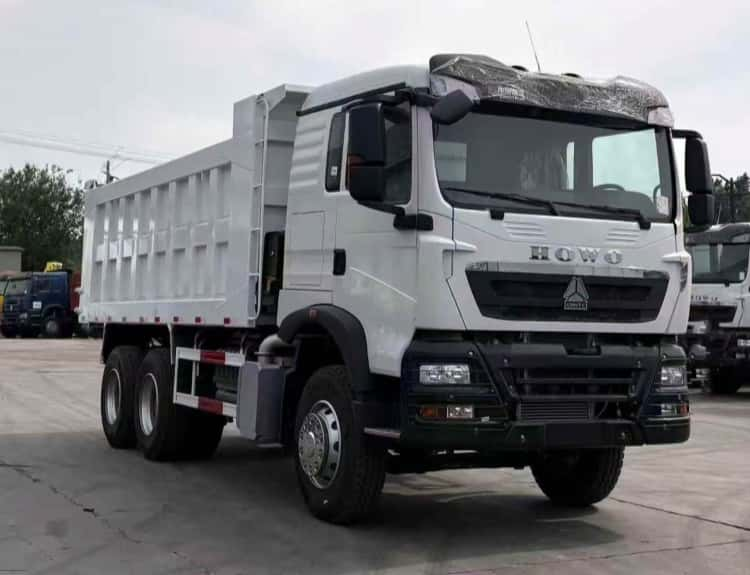
Pre-validated substitutions reduce reliance on risky grey-market parts
When OEM supply dries up, many fleets turn to unvetted grey-market components. These parts often lack material certification, fatigue testing or performance validation. While they may arrive faster, they frequently trigger repeat failures and secondary damage, creating another round of parts procurement and lost revenue.
REMAN ROAD’s substitution process is fully engineered and bench-verified. The approved alternative parts are selected for broad, stable supply chains. Your fleet avoids being forced into emergency purchases of unproven off-market parts, and reduces the chance of recurring breakdowns that create a cycle of lost revenue.
Planned maintenance shifts parts ordering from emergency to scheduled
Slow parts procurement hurts most when it is tied to unplanned breakdowns. Emergency orders carry premium freight costs, rush processing fees and uncertain delivery windows.
With reliable remanufacturing, failure patterns become predictable. Wear-part replacement can be scheduled in advance. Your procurement team can place orders alongside normal restocking cycles, using standard shipping and negotiated pricing. This removes the expensive, high-risk rush procurement cycle that eats into contract revenue.
Important guardrail
Reman standardisation does not guarantee zero supply-chain delays. Global supplier disruptions, logistics bottlenecks and regional shipping restrictions can still impact lead times. REMAN ROAD reliable remanufacturing reduces the risk, but your fleet still needs contingency planning for critical high-wear assemblies.
Final Takeaway
Slow, unplanned parts procurement turns mechanical faults into revenue leakage. For fleet managers, the key takeaway is simple: REMAN ROAD reliable remanufacturing resolves obsolescence early, locks standardised parts specifications and stores clear component history in traceability logs, so your team avoids emergency sourcing delays and keeps haul assets generating revenue.