How Duty-Classified Reman Trucks Reduce Accelerated Wear From Misassigned Work Cycles?
Intro
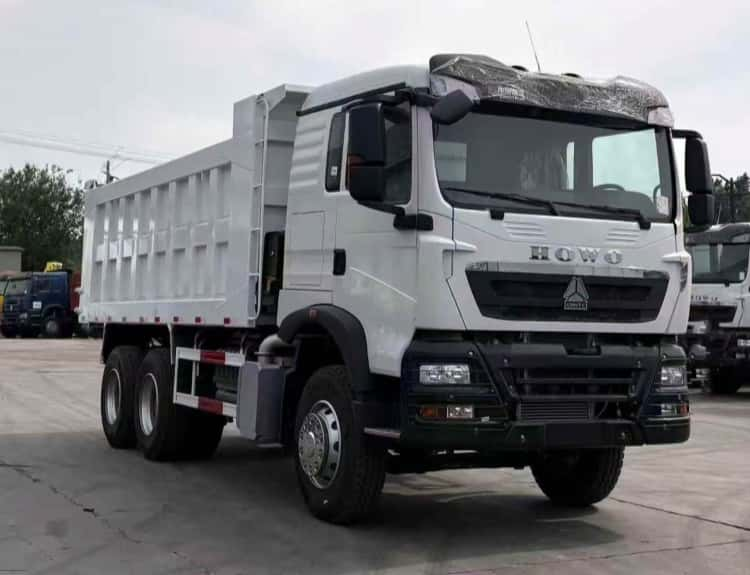
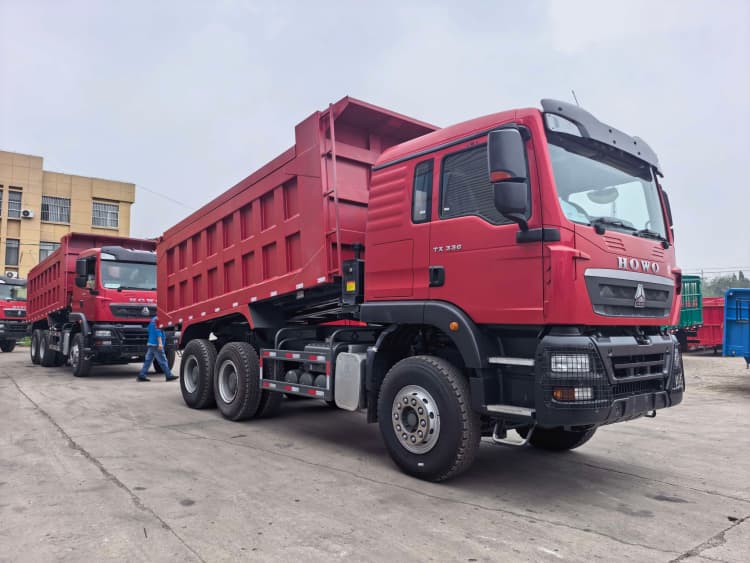
Accelerated wear often stems not from poor vehicle quality, but from misassignment. A highway tractor deployed on steep, high-cycle quarry runs, or a light-duty reman dump truck repeatedly overloaded for heavy earthmoving, will wear out frames, axles, brakes and powertrains far faster than designed. For ordinary used fleets, there is no reliable way to confirm the original design envelope, so dispatch teams assign work based only on appearance.
Every REMAN ROAD duty-classified reman trucks receives a formal duty classification during certification, validated by structural testing, bench calibration and load-cycle review. This clear rating guides dispatch decisions, reduces the risk of pushing assets past their limits, and slows premature wear. This article explains how duty classification protects your reman investment from mismatched work cycles.
Duty classification defines clear operating boundaries
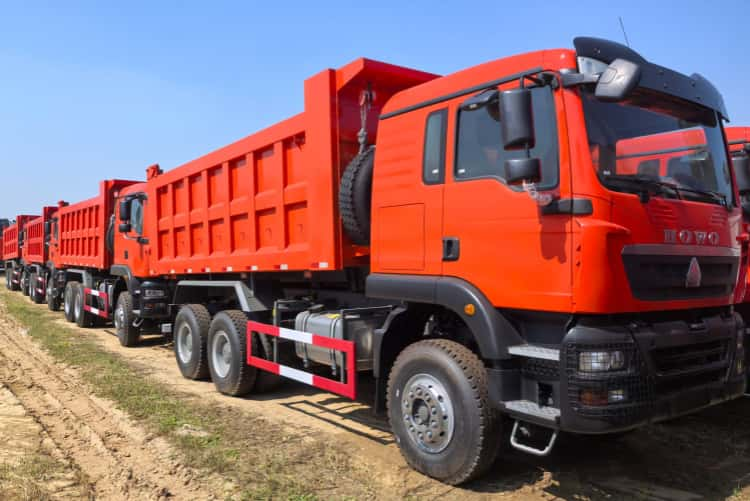
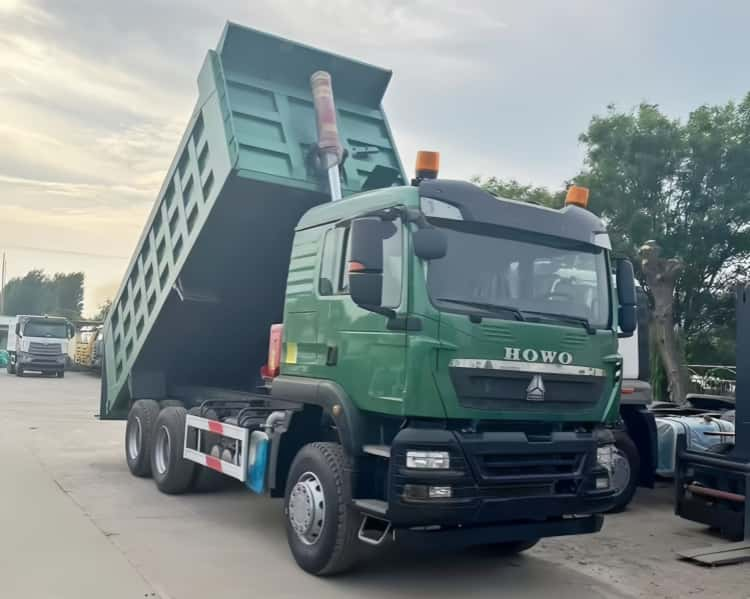
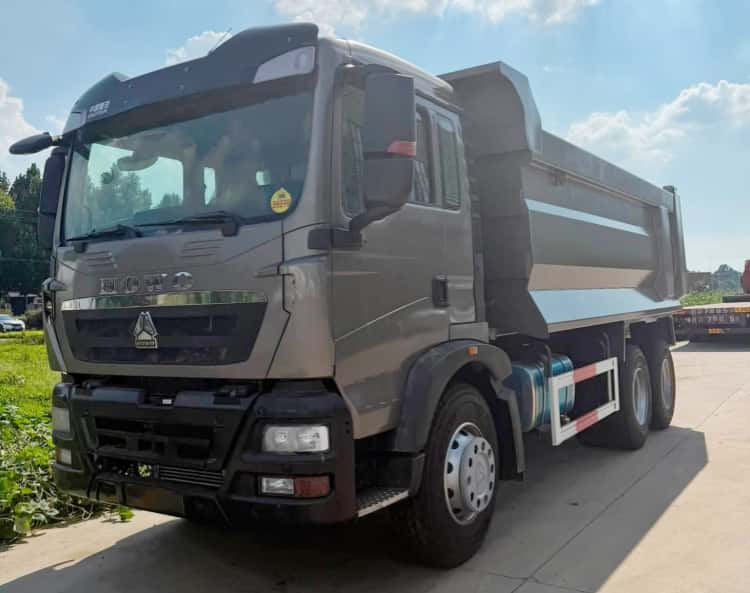
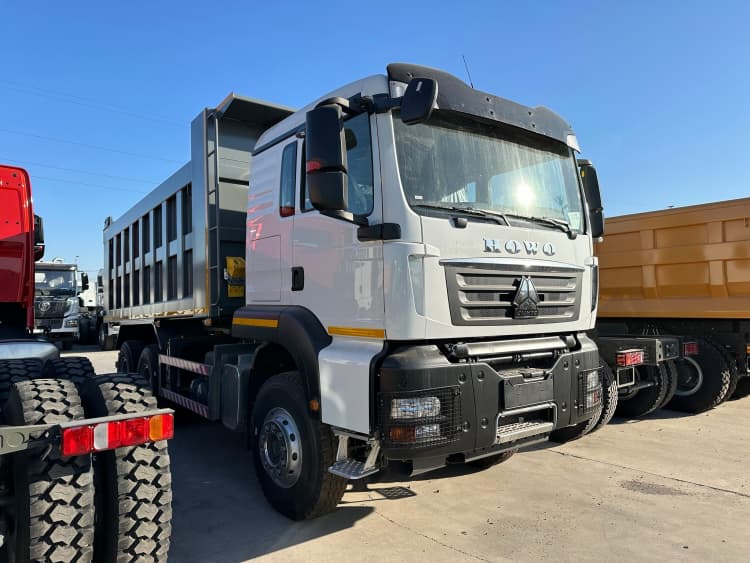
During REMAN ROAD remanufacturing, engineers match the rebuild specification to a fixed duty profile: highway long-haul, port shuttle, medium construction haul, heavy off-highway quarry duty, and so on. The classification records approved payload limits, terrain type, cycle frequency and vibration exposure thresholds.
Unlike generic used trucks, where the safe operating envelope is unknown, each duty-classified reman trucks’s limits are written into its traceability log. Dispatchers can quickly check whether a truck is built for continuous steep climbs, frequent stop-start cycles, or smooth highway transit. This removes guesswork from assignment.
Misassigned workloads create hidden cumulative fatigue
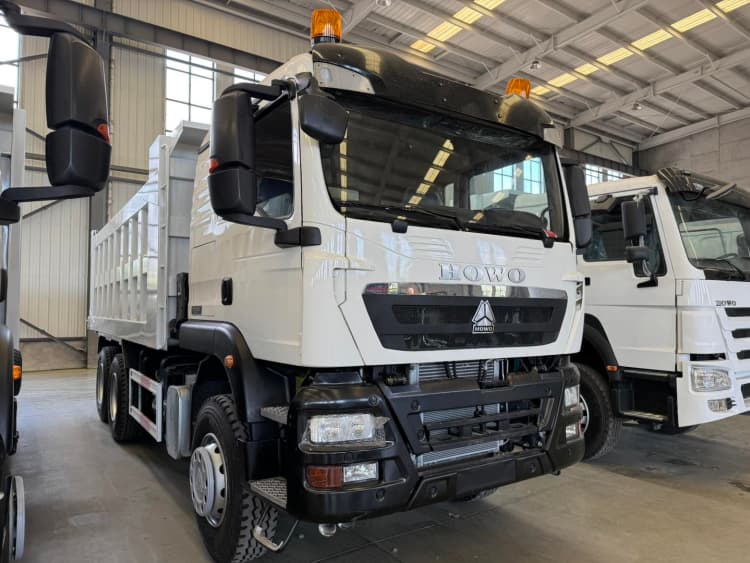
Even if a truck survives a single over-limit trip, repeated misapplication accumulates fatigue damage. Frame cracking, axle housing stress, brake heat fade, turbo degradation and bearing failure develop gradually. These defects often appear long after the assignment mistake, making it hard to trace the root cause.
REMAN ROAD remanufacturing duty ratings are tied directly to the NDT testing and component selection completed during rebuild. Heavy-duty off-highway units receive reinforced structural treatments and upgraded cooling, while highway units are optimised for sustained cruising. When you keep each truck within its assigned class, stress stays within the validated design margin, and wear progresses at the predictable, planned rate.
Standardised labels support consistent dispatch rules across multiple sites
Large fleets operate across quarries, construction zones and highway corridors, with multiple dispatch teams. Without clear classification, different supervisors may apply different standards to the same vehicle type.
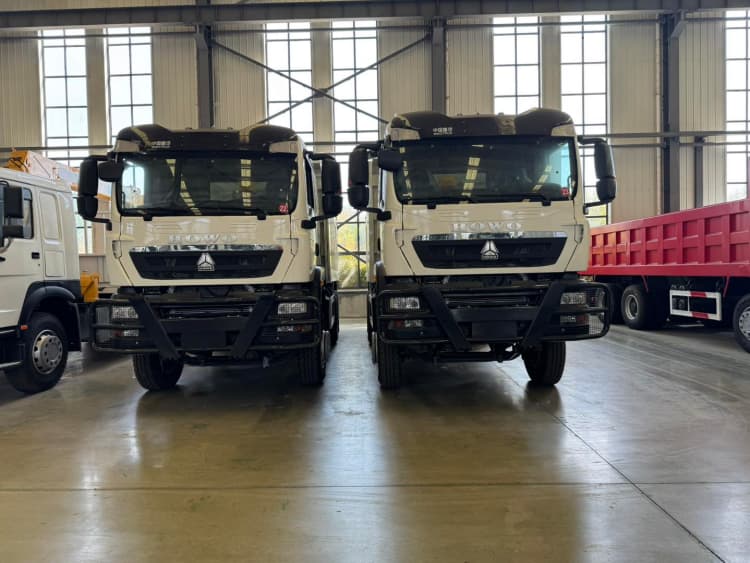
Duty labels are consistent across all REMAN ROAD reman trucks. Your fleet team can build simple dispatch rules: off-highway rated trucks for pit runs, highway-rated units for long-distance material transfer. The traceability package acts as a shared reference for every site manager, reducing inconsistent or risky assignment decisions.
It protects warranty coverage and preserves residual value
Most reman warranties exclude damage caused by operation outside design limits. If a misassigned truck suffers accelerated wear, the repair cost falls fully on your fleet. Over time, repeated abuse also erodes residual value, as hidden fatigue damage reduces the truck’s appeal to future buyers.
By following duty classification rules, you keep the truck within warranty scope. Controlled, appropriate wear also maintains the asset’s structural integrity and documented performance baseline, protecting its resale value when you rotate it out of the fleet.
Duty classification does not remove payload and route management
Classification is a decision support tool, not an unconditional guarantee. Even a heavy-duty reman dump truck will experience accelerated wear from persistent overload, poorly maintained haul roads or reckless operation. Duty ratings set the safe operating window, while pre-trip inspections, payload enforcement and driver training keep wear under control.
Final Takeaway
Misassigned work cycles silently accelerate wear and shorten asset life. For fleet operators, the key takeaway is simple: REMAN ROAD duty-classified reman trucks come with verified operating limits, enabling smarter dispatch matching, reducing cumulative fatigue damage and ensuring wear follows the predictable timeline built into the reman certification.