How Standardised Remanufacturing Supports Phased Mobilisation For Large Infrastructure Projects?
Intro
Road, dam, port and mining infrastructure projects rarely run at full haul capacity from day one. Teams start with site preparation, ramp up aggregate and earthmoving transport during peak construction, then scale down once civil works wrap up. Buying new trucks for the peak phase locks in massive capital, while sourcing random used trucks piecemeal brings inconsistent quality, unpredictable breakdowns and fragmented paperwork.
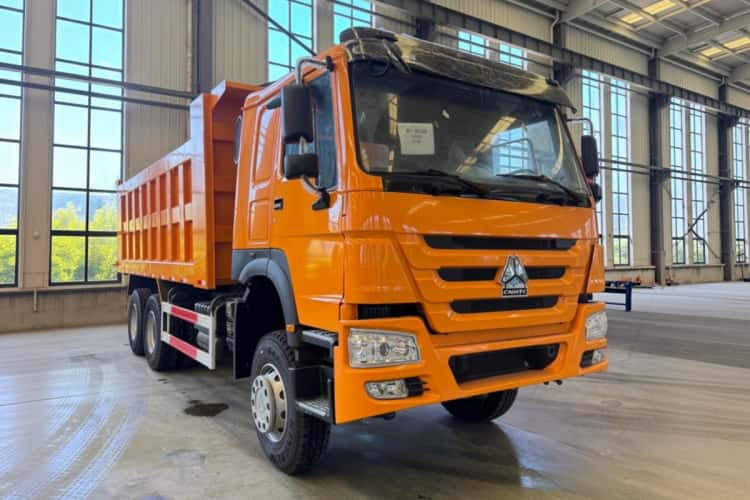
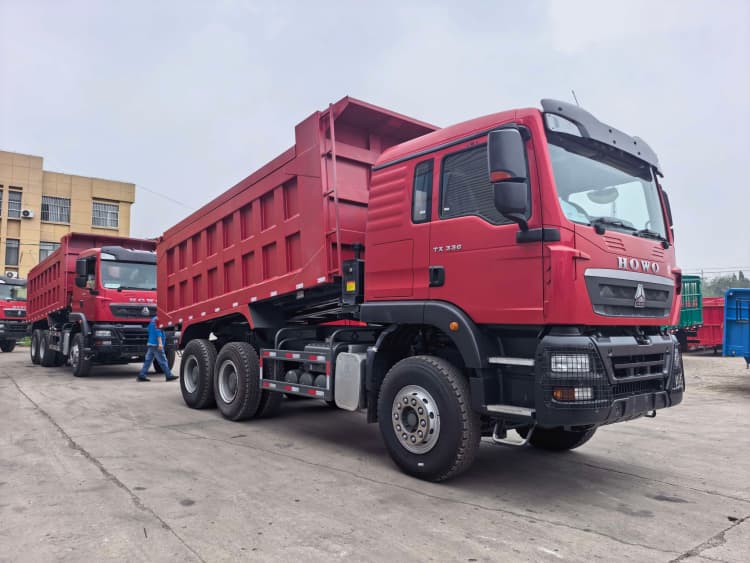
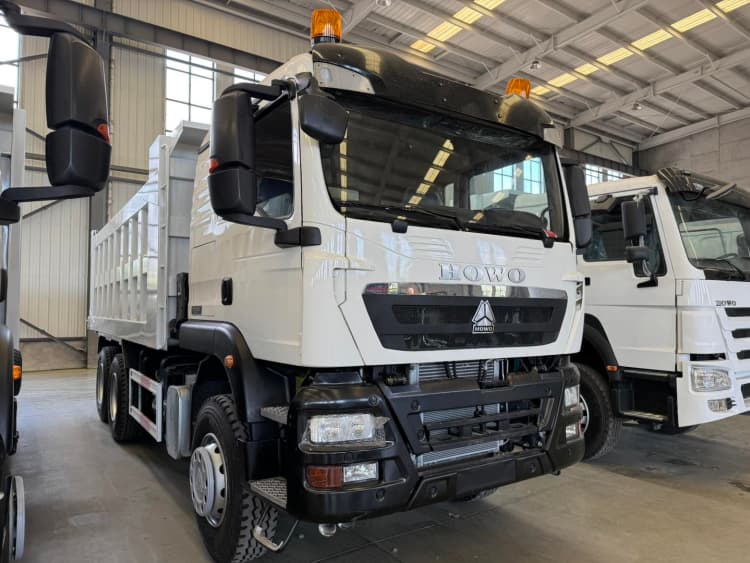
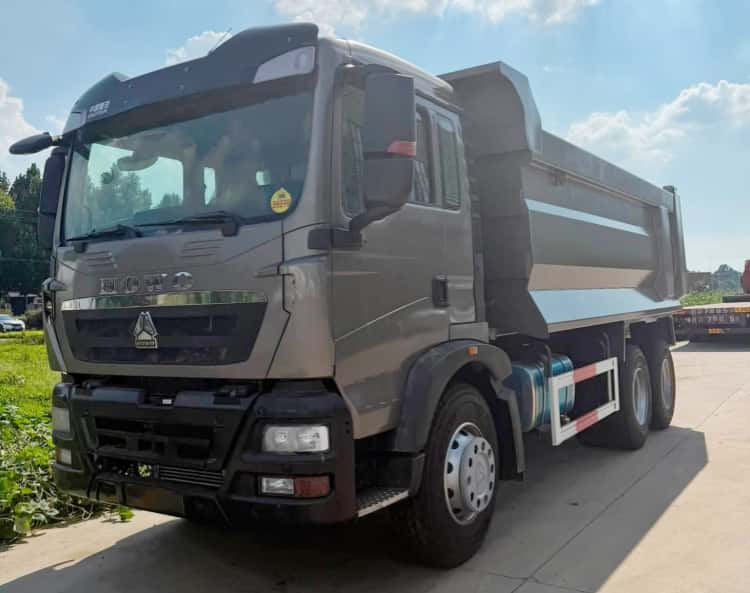
REMAN ROAD standardised remanufacturing fits this phased rhythm perfectly. Units share uniform build specs, duty classifications and audit-ready traceability packages. You can mobilise small batches on short notice, add more capacity as the project expands, and reallocate or release assets when phases conclude. This article breaks down how standardised reman supports staged mobilisation for large infrastructure schemes.
Initial mobilisation: deploy a small, reliable core fleet for site setup
Early-stage site work only requires a limited number of haul units for clearing, survey support and preliminary material delivery. At this point, committing to a large order of new trucks is financially inefficient, and unvetted used trucks risk delays right at the project kick-off.
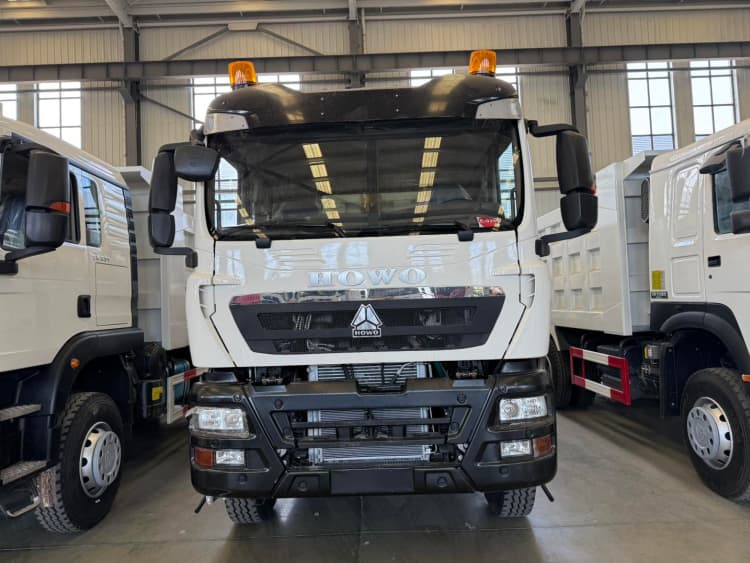
REMAN ROAD standardised remanufacturing stock is pre-qualified, with all NDT, dyno and road test work completed ahead of time. You can mobilise a compact baseline fleet quickly. Since every standardised remanufactured truck follows the same quality standard, your EHS, compliance and maintenance teams only need to set up one service workflow, one inspection checklist and one SLA benchmark from the start. There is no need to create custom maintenance plans for a mismatched set of used chassis.
Scale capacity incrementally to match peak construction demand
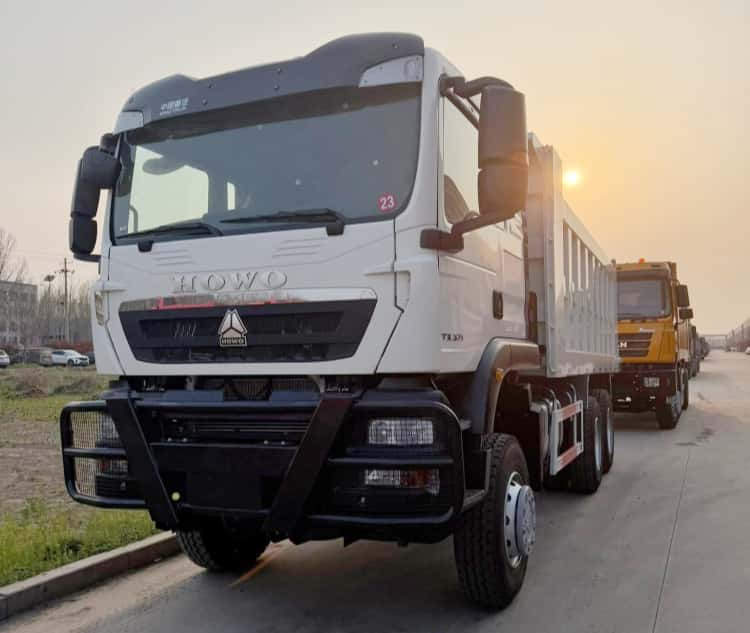
As the project enters peak earthworks and concrete supply cycles, haul requirements surge. Standardised remanufactured trucks are built to repeatable specifications: same engine calibration, axle ratio, brake setup and duty rating for each model variant.
When you add extra REMAN ROAD standardised remanufactured trucks or tractors mid-project, they slot seamlessly into your existing fleet. Drivers adapt instantly to familiar handling and controls; technicians use the same service procedures and parts list. Traceability logs follow the same template, so your asset management system can absorb new units without reworking reporting processes. This incremental scaling avoids the long OEM lead times that often delay infrastructure project mobilisation schedules.
Reconfigure asset allocation between work zones
Large infrastructure sites spread across multiple zones: stockpiles, batching plants, quarry links and public access roads. Some routes are steep, rough off-road runs, while others are smoother highway transfer routes.
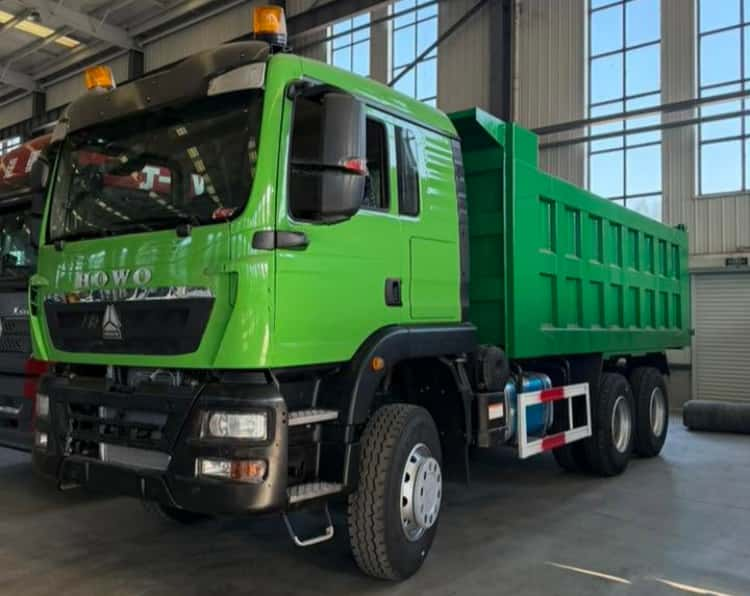
REMAN ROAD standardised remanufactured truck carry clear, documented duty classification. Standardised build records let you safely reassign trucks between zones as the project layout changes. If a section of work finishes early, you can shift those remanufactured trucks to another active zone on the same project. Unlike one-off used trucks with unknown structural limits, their performance envelope is defined and verifiable, so reallocation does not introduce hidden structural risk.
Simplify compliance and client audit across rolling phases
Infrastructure prime contractors impose strict supplier audits that renew as each new phase starts. They require proof of vehicle safety, structural integrity and supply chain due diligence before you are approved to operate in new work zones.
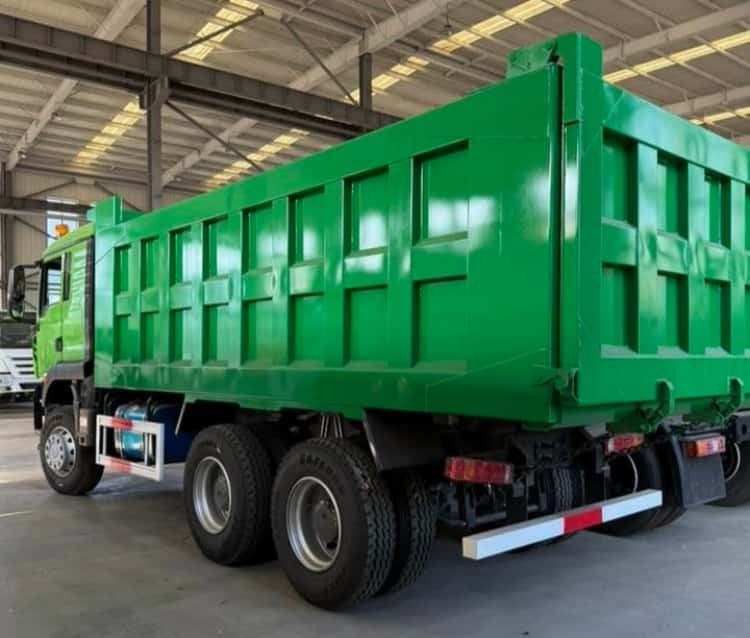
Every REMAN ROAD standardised remanufactured truck comes with a uniform traceability package. Whether you mobilise trucks in phase one or phase three, the audit evidence follows the same format. Your admin team can quickly submit NDT reports, third-party audit sign-offs and component renewal records for the latest batch. This reduces the administrative burden of repeated pre-qualification checks, a common bottleneck for phased project rollouts.
De-mobilise smoothly without heavy residual losses
When a construction phase or the whole project finishes, you need to reduce fleet size. New heavy trucks suffer steep depreciation if they are sold shortly after a project ends. Random used trucks are hard to resell, as buyers cannot confirm their condition history.
REMAN ROAD standardised remanufacturing holds more predictable residual value, thanks to the full VIN traceability trail. You can downsize by selling or relocating surplus units to other active projects, rental fleets or cross-border operators. This removes the risk of being stuck with underutilised, high-value assets once the project’s haul demand drops.
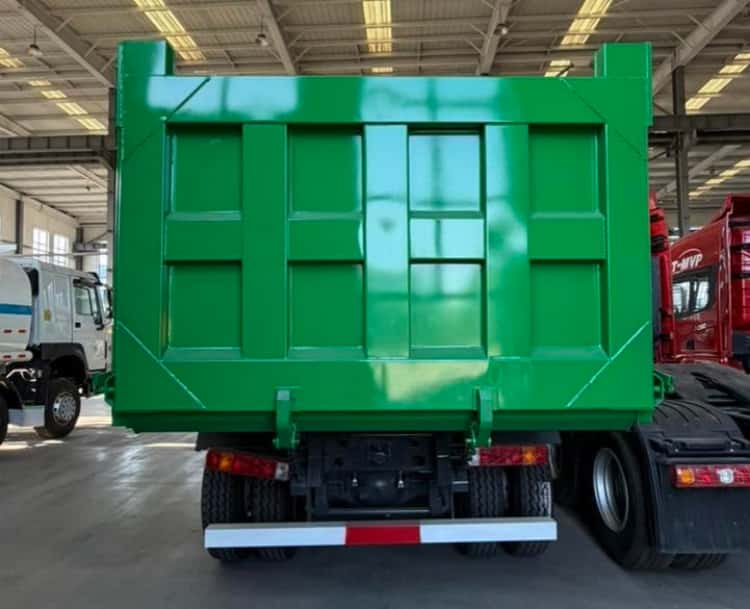
Important guardrail
Phased mobilisation still requires careful duty matching. Even standardised remanufactured trucks must be assigned to routes that fit their rated duty class. Adding extra units does not remove the need for pre-trip inspections and scheduled servicing, especially on high-impact off-road infrastructure routes.
Final Takeaway
Large infrastructure projects demand fleet capacity that grows, shifts and shrinks alongside construction timelines. For subcontractors, the key takeaway is simple: REMAN ROAD standardised remanufacturing gives you repeatable, auditable trucks that can be mobilised in batches, scaled for peak demand, reallocated across site zones and decommissioned cleanly, without the rigid capital and lead-time constraints of new truck procurement.