Certified Reman Vehicle: Balancing Upfront Cost & Long-Term Reliability
Intro
Fleet procurement teams constantly face a trade-off. New trucks carry a steep upfront price tag, but come with factory reliability and full warranty coverage. Uncertified rebuilt trucks look cheap at first, yet often bring unexpected breakdowns and expensive downtime.
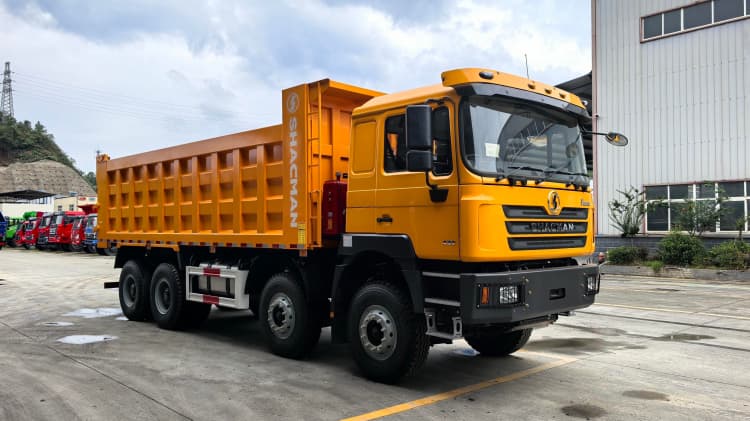
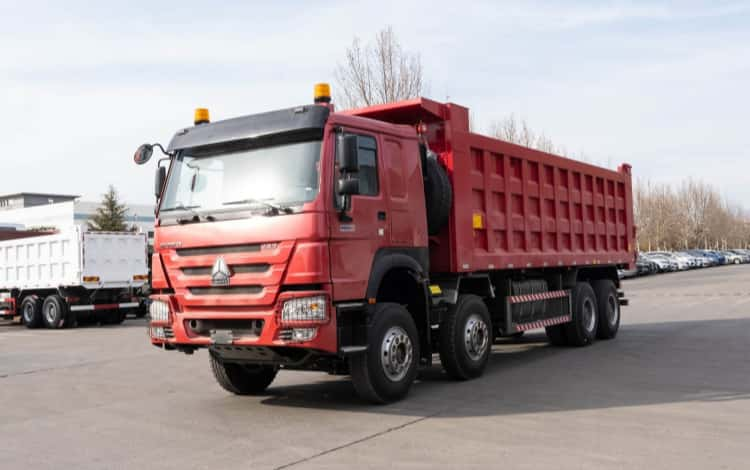
Certified reman vehicle sits between these two options. It is not simply a mid-price compromise. It is an engineered balance: controlled upfront investment, paired with structured processes that lock in predictable reliability for the second lifecycle. The balance hinges on rule-based inspection, defined safety margins and complete traceability, rather than cosmetic touch-ups.
Upfront cost: What you are paying for in certified reman vehicle?
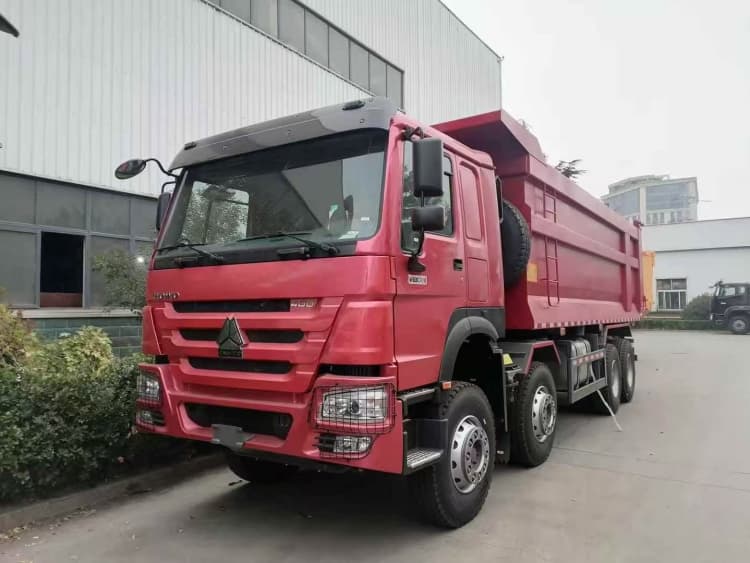
The sticker price of a certified reman vehicle is higher than a basic reconditioned truck. This premium is not just for new paint and cleaned components. It covers the process work that eliminates hidden risks.
The cost includes:
- Core intake screening and service history review
- Full teardown, media blasting and bare-metal preparation
- NDT fatigue scanning and quantitative corrosion thickness measurement
- Dimensional geometry checks and correction where permitted
- Mandatory replacement of all high-cycle wear and sealing parts
- Component reconditioning or scrapping against fixed acceptance baselines
- System calibration for steering, driveline, brake bias and powertrain integration
- Loaded final validation and VIN-linked traceability documentation
Low-grade rebuilds skip most of these steps. They only replace broken or leaking parts, which cuts the upfront cost dramatically. But they leave fatigue cracks, trapped corrosion and geometry misalignment untouched. That “discount” shifts the risk and cost burden to your fleet after delivery.
Certified reman vehicle’s higher initial cost is a deliberate risk-control investment. It buys visibility into the chassis’s true condition, instead of accepting unknown latent defects.
Reliability: Where certified reman vehicle differs from casual rebuilds?
Reliability does not mean the truck will never fail. It means failure modes and service intervals become predictable.
Casual rebuilds rely on the assumption: “If it runs today, it will keep running.” They have no way to quantify accumulated fatigue or stress risers. Failures tend to be sudden, unplanned and structural, with expensive site downtime and recovery costs.
Certified reman vehicle builds reliability through layered controls. Every structural component is screened while stripped to bare metal. Parts that fail inspection are scrapped, not patched. System calibration ensures all subsystems work in harmony under load, reducing chronic wear on bearings, seals and tyres. The final certified duty envelope sets clear boundaries for payload, terrain and cycle count.
When the truck is operated within its envelope, wear progresses at a known, steady rate. Maintenance schedules can be planned. Catastrophic structural failures, the most costly reliability events, are greatly reduced.
The balance point: TCO, not just purchase price
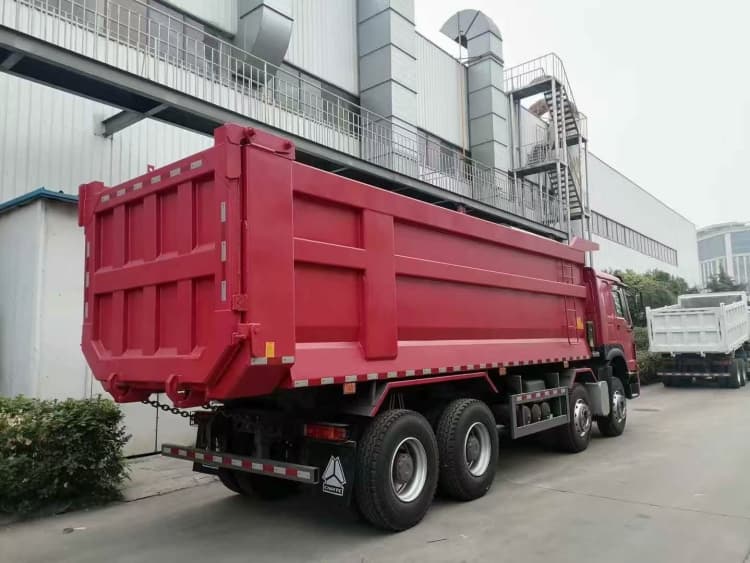
The core mistake many buyers make is judging value only by upfront CAPEX. Upfront cost is easy to compare. Downtime, repair labour, premature part replacement and residual value loss are less visible, but they dominate long-term TCO.
A cheaper uncertified rebuild may have a lower purchase price. But it can trigger:
- Unplanned downtime that disrupts hauling contracts
- Repeated replacement of wear parts that were not swapped during the rebuild
- Hidden structural damage that worsens quickly under heavy cycles
- Poor residual value when you resell or reassign the truck later
Certified reman vehicles accepts a moderate increase in upfront spend, to cap these variable, high-impact costs. Its reliability profile is designed to deliver stable operating hours, with scheduled maintenance instead of emergency repairs.
It also sits favourably against new trucks. New trucks have the highest upfront cost, and their reliability is excellent, but depreciation is steep in the first years. For many fleets with well-defined duty cycles, certified reman vehicle delivers nearly comparable reliability at a far lower entry cost.
How the certified duty envelope maintains this balance?
This is the mechanism that keeps cost and reliability aligned. Not every qualified core can support the original OEM rating. If inspection reveals moderate corrosion or minor residual stress, the engineering team adjusts the operating limits.
Reducing the allowable payload or restricting off-road cycles lowers the cyclic stress on the chassis. That preserves the safety margin and extends the predictable service life.
Some suppliers chase higher sales by marketing every reman unit to full OEM GVW. This artificially improves the perceived value, but erodes the safety margin. Reliability degrades rapidly, and the initial cost savings are erased quickly.
Responsible certified reman vehicles chooses to limit the operating scope, rather than overstate capacity. It trades maximum advertised rating for consistent, dependable performance.
Traceability and warranty as reliability safeguards
The reliability promise is backed by paperwork, not sales language. The full traceability bundle links every inspection, measurement and calibration action to the VIN.
This documentation serves two practical purposes. First, it defines the baseline condition at the time of reman. If a component fails later, analysis can quickly separate normal wear, misuse outside the duty envelope, or a process defect. Second, it underpins warranty coverage. Warranty for certified reman vehicles is structured around the documented inspection data and operating limits. That gives you recourse when issues arise, which you rarely get with undocumented rebuilds.
Without this audit trail, even a truck that runs well at delivery cannot prove its reliability baseline.
Common trade-off traps to avoid
Trap 1: Choosing the lowest-priced “reman” option to save CAPEX. This usually means the supplier skipped fatigue assessment, NDT or mandatory part renewal. Reliability is left to chance.
Trap 2: Paying for certified reman vehicle, then operating it beyond the duty envelope. The engineered safety margin is consumed quickly. The reliability guarantee no longer applies, and the upfront investment is wasted.
Trap 3: Expecting certified reman vehicle to match every performance metric of a brand-new truck. It can deliver excellent reliability, but its safe operating limits are based on the core’s remaining material reserve. It is not a perfect clone of a new chassis.
When certified reman vehicle is the right balance?
Certified reman vehicles is ideal for fleets that want:
- Lower upfront spend than new trucks
- Predictable uptime, not just a cheap temporary asset
- Auditable safety compliance for site and contract requirements
- Stable residual value when rotating assets
It is less suitable for continuous maximum-overload mining cycles where only new OEM chassis margins are acceptable. For those extreme cases, new units remain the correct choice.
Final Takeaway
Certified reman vehicles balance upfront cost and long-term reliability through engineering discipline. It accepts a higher purchase price than basic reconditioning, to fund fatigue screening, mandatory part renewal, system calibration and traceability.
The balance is not automatic. It depends on honest assessment of the core, realistic safety margins and a clearly defined duty envelope. If these controls are in place, certified reman vehicles delivers a compelling TCO middle ground between expensive new trucks and high-risk undocumented rebuilds.