How to Build a Low-Cost Fleet Asset Strategy With Reman Solutions?
Intro
Many fleet operators want to lower total asset costs but fear trading away reliability and operational stability. A low-cost fleet strategy does not mean buying the cheapest available trucks. It means building a balanced asset roadmap, where certified reman solutions are deployed strategically to reduce capital pressure, smooth spending and control volatile repair risks. When planned correctly, reman becomes the core pillar of an affordable, sustainable fleet model.
Map Your Workloads and Tier Your Assets
Not every hauling task requires the same vehicle standard. The first step is to split jobs by risk, margin and operating intensity, then match asset grades accordingly.
- Tier 1: High-value, time-sensitive, non-stop core routes. Assign new or low-mileage premium trucks here. Uptime is critical, and downtime losses are too high to risk.
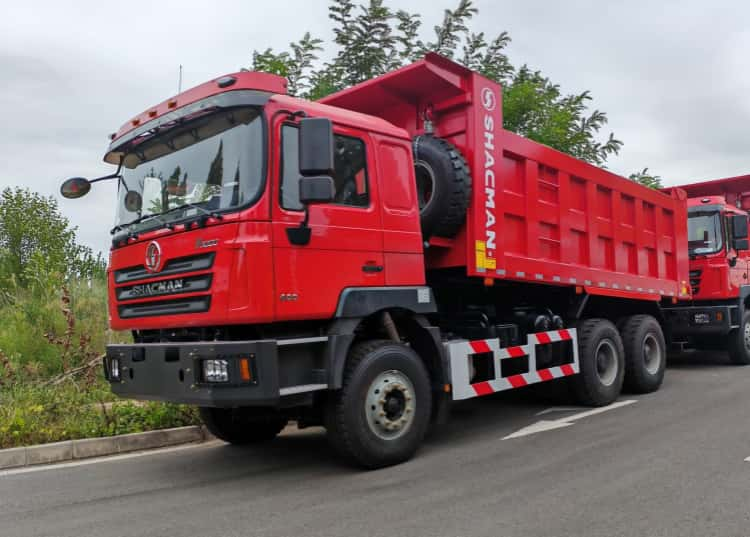
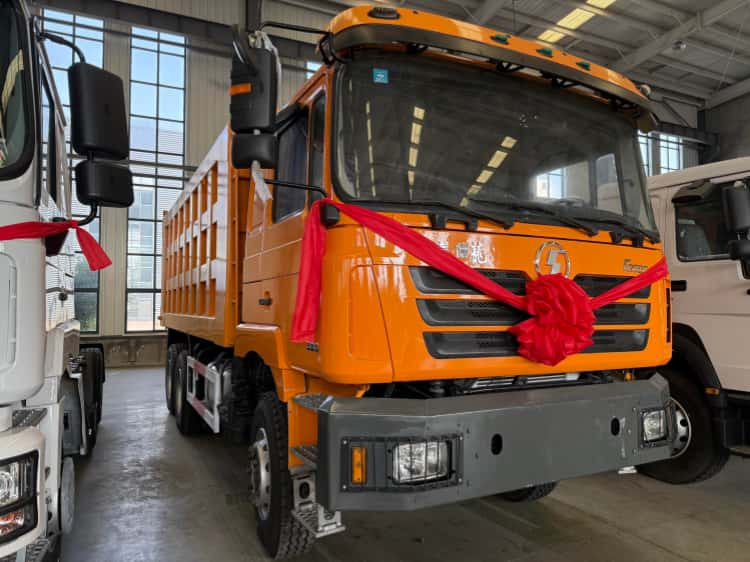
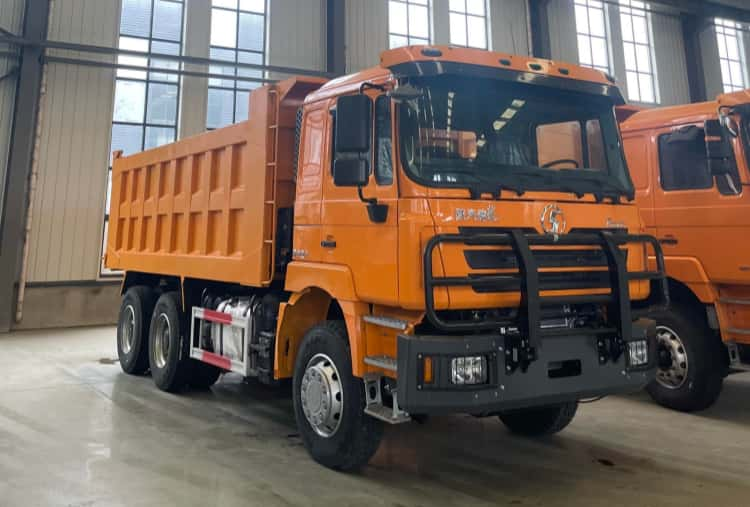
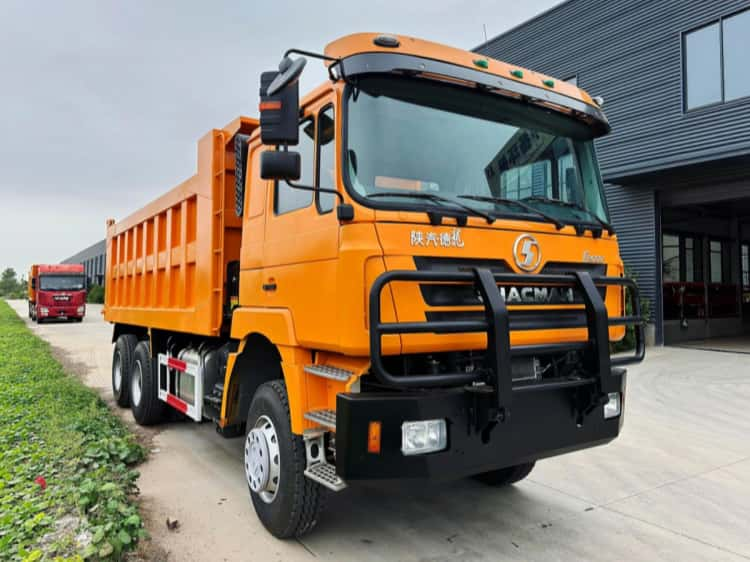
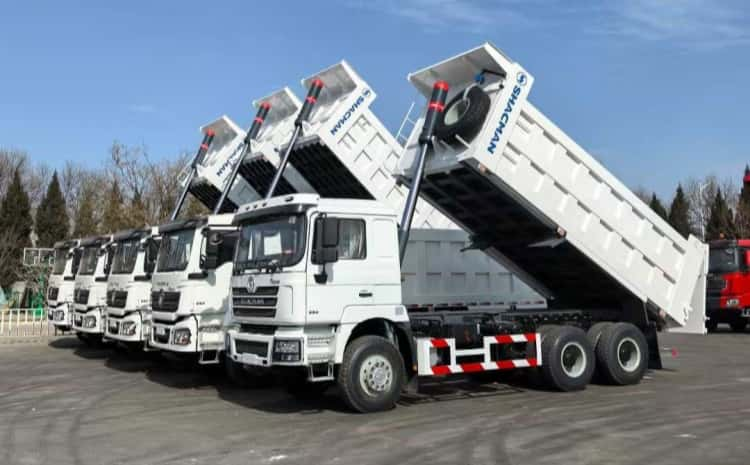
- Tier 2: Regular mid-cycle haulage, quarry shuttles, construction site runs. This is the ideal zone for certified reman trucks. They deliver stable performance at a much lower entry cost.
- Tier 3: Low-margin, short-cycle, high-wear auxiliary work. Use older, well-screened reman trucks, with strict mileage limits and scheduled retirement triggers.
This tiered structure avoids wasting large capital budgets on low-profit, punishing applications.
Adopt Phased, Rolling Renewal Instead of Bulk Replacement
A common budget killer is replacing an entire fleet in one go. This creates a massive capital spike and heavy debt load. With certified reman solutions, you can stagger renewal cycles:
- Every year, select a fixed percentage of ageing trucks for reman or retirement
- Keep the fleet’s age distribution balanced, so you never face a wave of simultaneous failures
- Spread capex evenly across years instead of one huge lump payment
You can replace only the worst-performing assets and reman the structurally sound ones, extending their usable service life.
Set Clear Reman Eligibility Rules to Avoid Bad Investments
Reman only delivers savings when applied to the right trucks. Create simple screening rules before committing to reman:
- ✅ Accept for reman: Sound frame and chassis, proven model with stable spare parts supply, no major crash or fatigue damage.
- ❌ Reject for reman: Cracked frame, severe corrosion, obsolete platforms, units with unrecoverable emission compliance issues.
Remanufacturing a structurally compromised truck will create endless repair costs and destroy your low-cost strategy.
Standardise Your Reman Spec to Reduce Operational Complexity
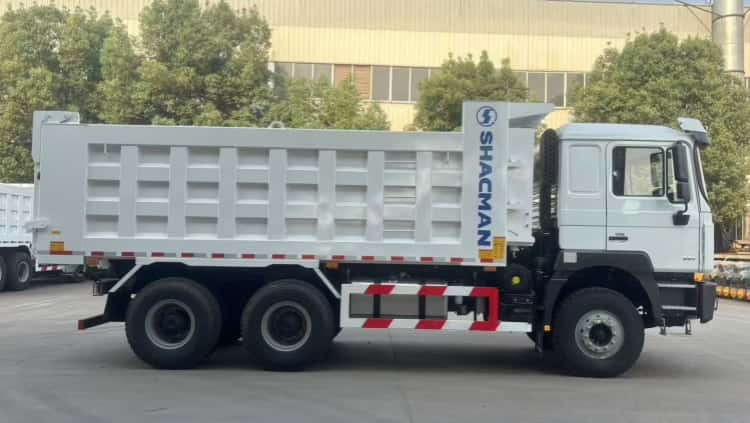
If your reman trucks follow one unified standard (such as REMAN ROAD), you unlock secondary savings:
- Common service intervals and shared spare parts inventory
- Simplified technician training and diagnostic workflows
- Consistent fuel performance and predictable failure behaviour
Avoid mixing random, custom rebuilds from different workshops. Inconsistent quality will bring back unpredictable maintenance costs and defeat your low-cost goal.
Use Reman to Optimise Cash Flow and Financing
Reman’s lower unit price opens up flexible financing options for fleet planners:
- Smaller down payments and lower monthly instalments compared with new trucks
- Ability to expand fleet size with the same fixed capital budget
- Reserve cash for fuel, labour and emergency operational needs instead of locking it all in vehicle assets
For small and mid-sized fleets, this liquidity benefit is often more valuable than the direct purchase discount.
Build a Planned Maintenance System Around Reman Trucks
Low-cost strategy cannot rely on skipping maintenance. Certified reman trucks have known service baselines.
- Schedule inspections, fluid changes and consumable replacements by mileage or operating hours
- Track fuel consumption and fault codes to spot early degradation
- Use warranty coverage properly for major powertrain assemblies
Planned maintenance prevents minor wear from escalating into expensive breakdowns, protecting your reman investment.
Plan Exit Strategy and Residual Value in Advance
Even low-cost fleets need an end-of-life plan for each asset.
- Keep full reman test reports, certification and service logs for every unit
- Set a fixed mileage or age threshold for resale or re-remanufacturing
- Sell certified reman trucks before repair costs start rising sharply
Good documentation preserves residual value, which acts as a financial offset when you rotate assets out of the fleet.
Key Risks to Guard Against
- Treating uncertified partial rebuilds as certified reman solutions: they create hidden repair liabilities
- Overusing reman trucks on your highest-mission-critical routes
- Skipping inspections and pushing reman trucks past their economical service window
- Overlooking local emission and road safety rules that limit reman truck operation
Final Takeaway
A low-cost fleet asset strategy built on reman is not about cutting corners. It is about intelligent allocation: matching vehicle quality to workload, staggering renewal cycles, standardising rebuild quality and protecting cash flow.
Certified reman solutions fills the gap between expensive new trucks and risky used fleets. For fleet managers focused on controlled TCO, reman solutions are a practical tool to scale capacity and keep long-term asset costs stable.