What Happens In Each Reman Stage of Heavy Trucks Remanufacturing Production?
Introduce
Heavy truck remanufacturing is not a loose sequence of repair tasks. Under the REMAN ROAD standard, it is a gated, sequential production workflow. Every reman stage has clear acceptance criteria; a vehicle cannot move forward until it passes the current inspection gate. This structured process ensures the finished truck achieves consistent OEM-spec performance and a genuine lifecycle reset. This article walks through each reman stage of truck remanufacturing, from asset intake to final handover.
Stage 1: Core Intake & Pre-Rebuild Eligibility Screening
This is the first trucks reman quality gate, completed before any disassembly begins.
- The incoming heavy truck is registered and linked to its unique VIN. Service records, accident history, overload logs and modification files are collected and reviewed.
- Full-vehicle visual measurement and mandatory NDT inspection are carried out on frame, cab mountings and critical load-bearing joints to check for hidden fatigue, cracks and corrosion.
- Baseline functional testing is performed on powertrain, brake, steering, electrical and emission systems to identify irreversible systemic degradation.
- The assessment team issues a formal decision: eligible for reman, rejected for reman (sent for recycling), or flagged for special conditional processing.
- All inspection data is saved to the vehicle’s traceability file. Only qualified assets proceed to the next reman stage.
Stage 2: Controlled Disassembly & System Separation
Once approved, the truck enters structured disassembly, which differs from casual teardown in ordinary repair shops.
- Disassembly follows a fixed sequence, grouped by major vehicle systems: cab, powertrain, suspension, braking, chassis wiring and after-treatment.
- Every component is tagged and associated with the VIN to avoid mixing parts from different core vehicles.
- Each removed part is sent immediately into the component grading workflow, rather than piled into general spare-part inventory.
- The bare chassis frame is isolated for dedicated deep cleaning and secondary structural recheck.
Stage 3: Component Grading, Cleaning and Classification
This trucks reman stage separates reusable assets from parts that must be scrapped or replaced.
- All disassembled components are inspected against OEM dimensional tolerances, material fatigue limits and performance benchmarks defined by REMAN ROAD.
- Parts fall into three categories: restorable for reuse, replace with equivalent qualified components, or scrap (when wear, fatigue or deformation exceeds allowable limits).
- Restorable parts go through industrial cleaning to remove carbon deposits, sludge, rust and surface contaminants. Simple washing is not sufficient; cleaning must expose hidden surface defects for re-inspection.
- Grading results are recorded, and scrapped components are routed into formal material recycling streams.
Stage 4: Component Restoration or Replacement
Only graded, qualified components move into restoration.
- Restorable parts are machined, surface-treated or rebuilt to return them within OEM tolerance bands.
- Worn or failed components are replaced with matching qualified parts that meet or exceed OEM specifications.
- Critical assemblies including engine, gearbox, axles and brake modules are reassembled and bench-tested individually before reinstallation.
- Mismatched components that break the original system coordination are prohibited, even if each part functions well on its own.
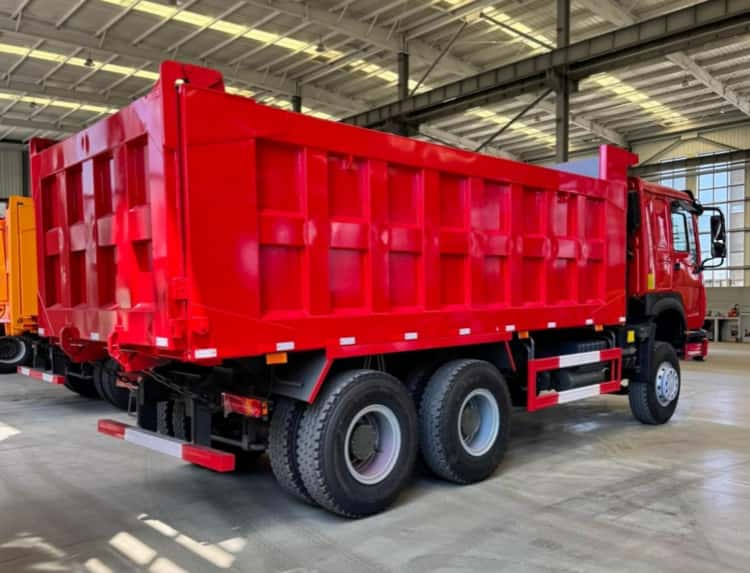
Stage 5: Whole-Vehicle Reassembly & System Calibration
Reassembly focuses on restoring the original OEM system matching logic, not merely bolting parts back together.
- Systems are reinstalled in the correct factory sequence, following OEM torque standards, routing diagrams and assembly specifications.
- Wiring harnesses, air circuits, hydraulic lines and sensor layouts are restored to original configuration; undocumented custom modifications are not permitted for OEM-spec reman.
- ECU, fuel mapping, brake balance and emission control parameters are recalibrated back to factory default settings for this exact vehicle model.
- During reassembly, inspectors perform in-process checks to catch fitting errors, leaks or loose connections early.
Stage 6: Integrated Full-Vehicle Validation Testing
Individual bench tests of assemblies are not enough. The whole vehicle must prove coordinated performance.
- Static inspection checks fluid levels, sealing, electrical communication and all safety interlock functions.
- Dynamometer testing verifies power output, torque curve and emission performance.
- Loaded road testing simulates real operating conditions: hill climbing, repeated braking, cruising and transient acceleration. Inspectors monitor stability, braking fade, abnormal vibration and fuel behaviour.
- Any system out of specification triggers rework and a retest. The vehicle cannot pass this trucks reman gate until all performance metrics align with OEM requirements.
Stage 7: Documentation, Audit and Certification Issuance
After passing all testing, the full traceability package is finalised.
- All records are consolidated: pre-rebuild NDT reports, grading sheets, bench test logs, road test data and calibration records.
- A third-party audit may be conducted to verify workflow compliance, depending on certification requirements.
- If all gates are satisfied, the vehicle receives its REMAN ROAD remanufacturing certification. This document defines its certified status, warranty scope and second lifecycle baseline.
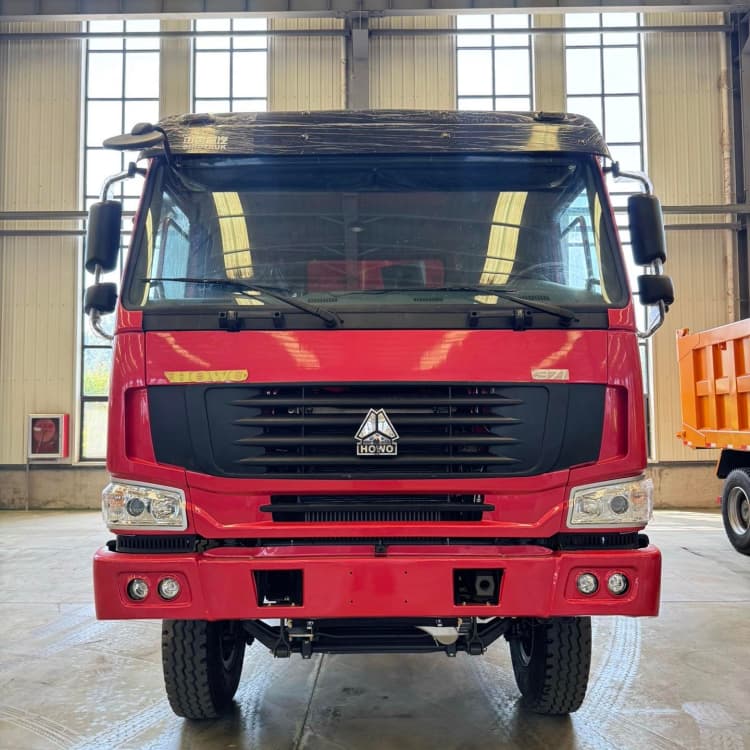
Stage 8: Final Preparation, Handover and Traceability Archiving
This is the closing production reman stage before the asset enters fleet operation.
- Final cosmetic finishing is completed, though this is secondary to engineering performance.
- The full traceability dataset is archived and linked permanently to the VIN, accessible for future maintenance, audit and warranty support.
- Fleet operators receive the certification, test summaries, recommended maintenance schedule and warranty terms.
- The certified reman truck officially begins its predictable second lifecycle.
Closing Summary
Every reman stage in truck remanufacturing acts as a quality gate. Starting from core eligibility screening, through disassembly, grading, restoration, reassembly, integrated validation and certification, the workflow is designed to deliver a whole vehicle reset to OEM design intent. REMAN ROAD’s gated production model prevents informal rebuild practices and gives fleet owners verifiable proof that the reman truck is more than a patched-up used vehicle.