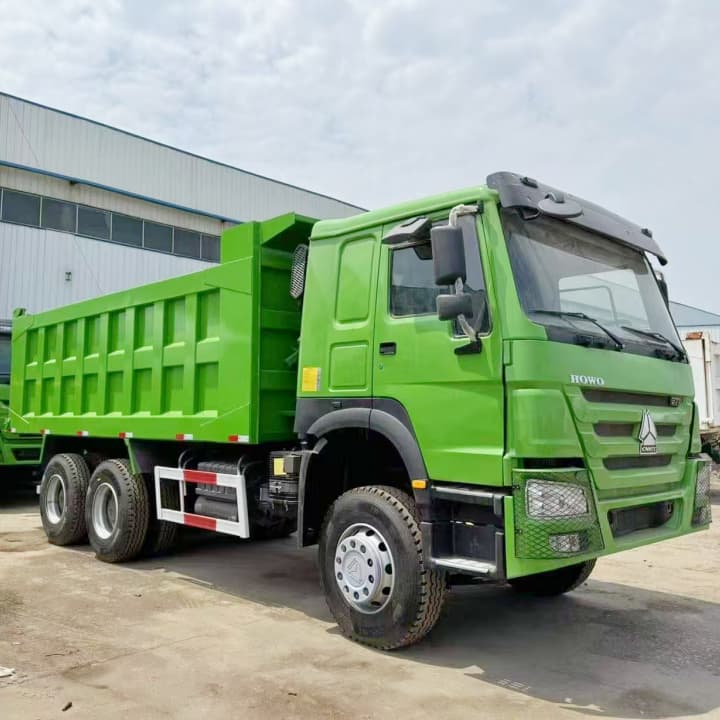
What Does OEM-Spec Remanufacturing Mean for Heavy-Duty Trucks?
Introduce
OEM-spec remanufacturing is one of the most frequently mentioned but easily misunderstood terms in the heavy vehicle circular industry. Many market participants loosely label any rebuilt truck “OEM-spec”, while in the REMAN ROAD framework, OEM-spec is a strict, vehicle-level performance and engineering commitment. It is not about only using original spare parts; it means restoring the entire heavy truck to align with the original manufacturer’s published design intent, performance thresholds and system matching requirements. This article breaks down the real meaning, core requirements and practical value of OEM-spec remanufacturing for heavy-duty trucks.
OEM-spec starts with respecting the original vehicle design envelope
The foundation of OEM-spec remanufacturing lies in following the original engineering boundaries defined when the truck was first developed.
- Every heavy truck model has fixed factory design limits: load capacity, power curve, braking performance, structural fatigue tolerance, emission targets and system matching logic.
- Reman teams cannot arbitrarily adjust engine tuning, modify braking parameters or alter frame load limits to cover worn or damaged components.
- Even when alternative qualified replacement parts are adopted, they must meet or exceed the OEM’s original specification grade and maintain compatibility with the whole system.
This separates genuine OEM-spec remanufacturing from ad-hoc modifications. Modified rebuilds may run strongly, but they deviate from the original design envelope and cannot be recognised as OEM-spec.
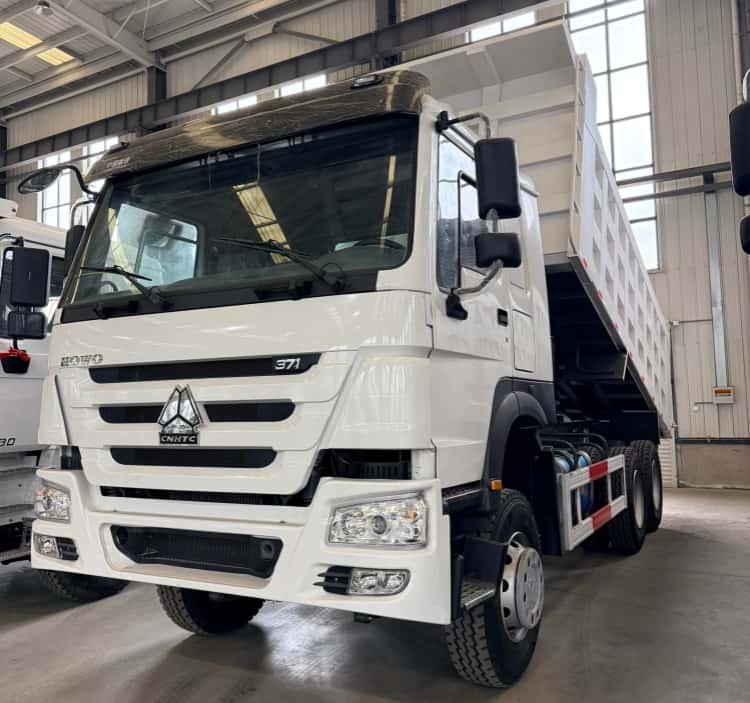
It applies to the whole vehicle system, not only individual assemblies
A common misconception is that OEM-spec only refers to remanufactured engines, gearboxes or axles. For REMAN ROAD whole vehicle remanufacturing, the standard covers the complete truck.
- Load-bearing frame, cab mounting structure, steering system, brake circuit, powertrain, cooling system, electrical architecture and after-treatment all fall under OEM-spec validation.
- Component-level compliance is necessary but not sufficient. All restored systems must work together as the OEM originally intended.
- Mismatched combinations, such as a high-power reman engine paired with an un-upgraded braking system, fail OEM-spec requirements, even if each part individually works.
OEM-spec is a holistic vehicle state, not a label for a single assembly.
Clear distinction: OEM-spec does not equal “only OEM genuine spare parts”
Buyers often confuse OEM-spec remanufacturing with a rule that only original OEM brand parts can be used. The two concepts are different.
- OEM-spec is a performance and dimensional benchmark, not a brand restriction.
- Parts selected for replacement or restoration must satisfy OEM drawing tolerances, material standards and fatigue test requirements. Qualified equivalent components are acceptable under audit rules.
- When reused original parts are retained, they must pass grading and testing to prove they still meet OEM tolerance limits. Parts with tolerance drift beyond OEM thresholds are scrapped, no matter whether they are original OEM parts.
The whole-vehicle remanufacturing core target is the final state matching OEM specification, rather than the brand stamp on every component.
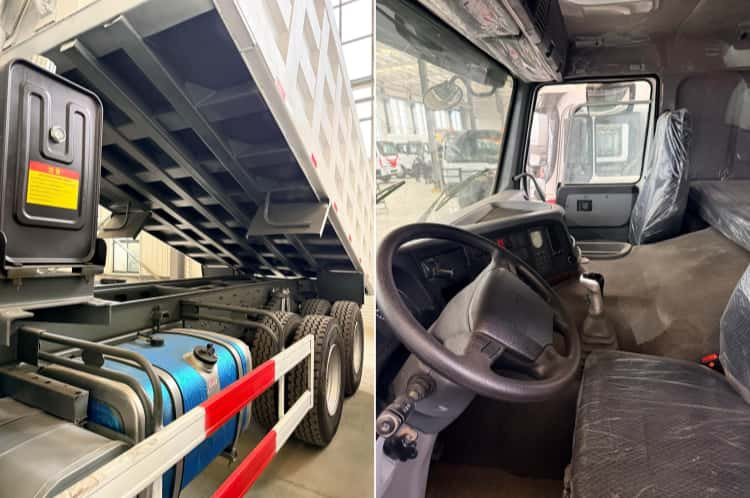
Standardised testing must mirror OEM validation protocols
To claim OEM-spec status, the test regime should follow the verification logic the OEM uses for new vehicles.
- Bench tests for powertrain assemblies adopt OEM-defined test cycles, load points and acceptance thresholds.
- Full-vehicle road tests cover loaded operation, braking fade, hill climbing and steady-state emission checks aligned with OEM validation procedures.
- Calibration parameters including ECU maps, brake balance and torque limits are restored to factory default settings for that vehicle model.
- Test results are recorded and linked to the VIN, providing auditable proof that the vehicle meets OEM-spec benchmarks.
Informal rebuilds often skip these standardised validation steps and rely only on simple road trials. Their performance may feel acceptable but cannot be proven to OEM specification.
What OEM-spec reman brings to fleet operators?
For fleet owners, OEM-spec remanufacturing delivers predictable, consistent operational characteristics that match the original new truck experience.
- Handling, braking response, fuel consumption curve and service interval recommendations stay consistent with the OEM’s original design, simplifying fleet maintenance planning.
- Service manuals, diagnostic tools and fault codes from the OEM remain fully applicable, without extra customised maintenance logic.
- The vehicle’s safety margin and fatigue life are reset to the OEM baseline, supporting the same operating scenarios the truck was engineered for.
- It reduces the risk introduced by undocumented modifications, which can create insurance, roadworthiness and liability issues.
The boundary between OEM-spec reman and custom rebuild
Not every reman project needs to be OEM-spec. Custom rebuilds may adjust configurations for special off-road or heavy overload use cases. However, they should never be marketed as OEM-spec.
- OEM-spec remanufacturing preserves the original design balance and safety margin; it is the default benchmark for standardised lifecycle reset under REMAN ROAD.
- Customised reconfiguration is a separate service, with its own risk assessment, testing and disclosure requirements for buyers.
- Clear labelling helps eliminate market confusion, so fleet buyers know exactly what performance baseline they are purchasing.
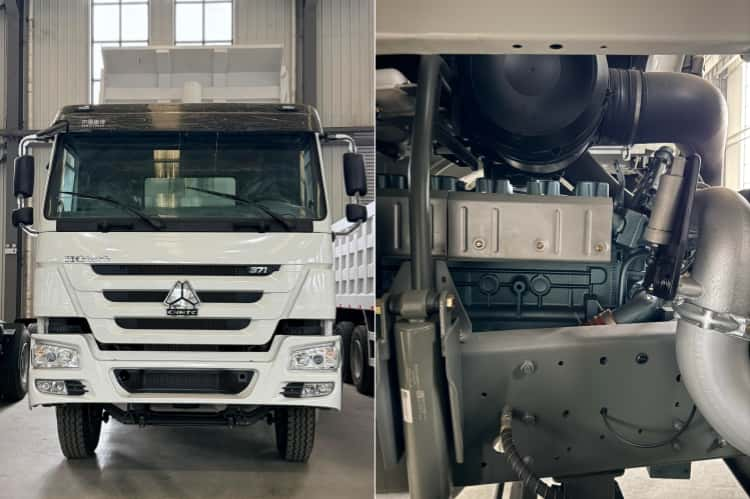
Closing Summary
OEM-spec remanufacturing for heavy-duty trucks means restoring the entire vehicle to the original OEM design specification and system coordination standard. It focuses on design intent, full-vehicle system matching and OEM-aligned validation, instead of merely using original-brand spare parts. Under REMAN ROAD, OEM-spec serves as a clear, objective benchmark for whole-vehicle remanufacturing, helping fleets recognise consistent, predictable reman assets and avoid mislabeled rebuilds with hidden engineering compromises.