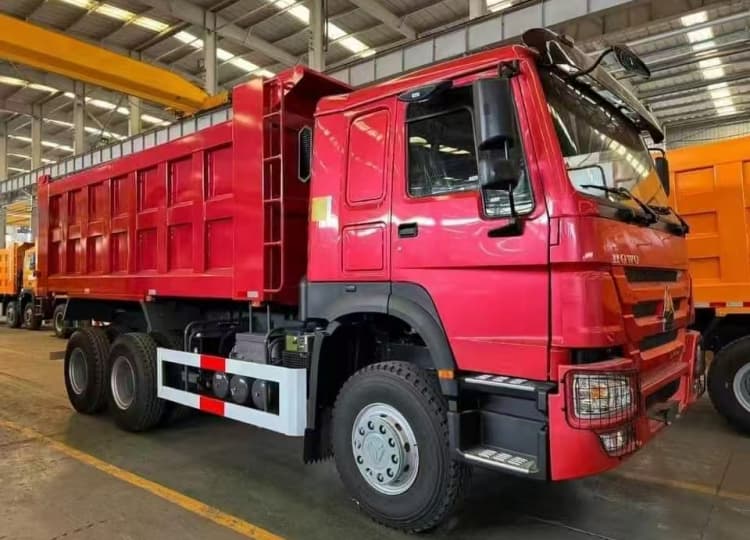
Key Characteristics That Define a Truly Heavy Reman Vehicle
Not every rebuilt heavy truck qualifies as genuine heavy reman vehicle. Many market offerings label overhauled, refurbished or repaired trucks as reman, creating confusion for fleet buyers. A truly heavy reman vehicle, aligned with REMAN ROAD standards, carries a clear set of non-negotiable characteristics that separate it from other restoration options.
Core Asset Qualification and Full Traceability
A valid heavy reman vehicle starts with a carefully vetted core. Before any work begins, inspectors verify service records, accident history, structural integrity and material condition via non-destructive testing. The core must be free from irreversible structural damage, critical material fatigue or corrosion that compromises long-term safety. Every unit is assigned a unique identifier, linking it to incoming inspection logs, component records, test data and technician files for full auditability through its entire reman lifecycle.
Complete Disassembly and Component-Level Evaluation
Standardized reman requires full teardown down to individual parts, rather than spot repairs of only failed assemblies. Every component is cleaned, measured and graded against OEM design tolerances. Visual checks alone are not sufficient. Dimensional measurements, hardness verification and defect scanning determine whether a part can be restored, must be replaced, or should be scrapped. Partial disassembly and surface-only checks are hallmarks of refurbishment, not standardized remanufacturing.
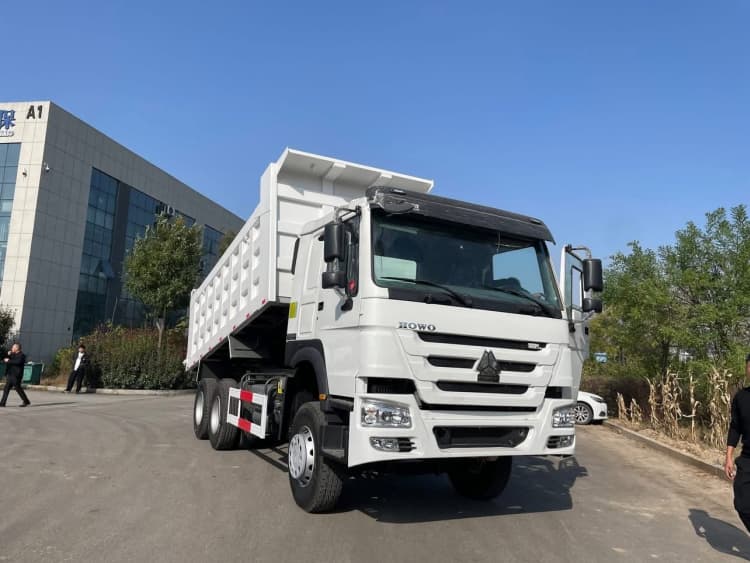
Restoration Back to Original OEM Design Specifications
The core objective is resetting components to factory specifications, not just fixing visible faults. Eligible reusable parts undergo precision machining, honing, grinding or surface coating to restore original dimensions and surface finish. No makeshift modifications, oversized workaround parts or permanent design deviations are permitted. Performance output, load capacity and tolerance match the baseline of a new equivalent vehicle.
Mandatory Replacement of All Time-Limited Consumables
All life-critical wear parts are replaced with new, qualified components regardless of visual condition. Seals, gaskets, bearings, fasteners, hoses, filters and brake consumables are swapped out by default. These components have accumulated fatigue from prior operation, even when they show no obvious damage. This characteristic directly reduces early breakdown risk and supports a reset service cycle.
Controlled Assembly Following OEM Procedures
Reassembly follows formal OEM work instructions, calibrated torque values and defined tightening sequences. Work takes place in a clean, controlled environment to avoid contamination inside powertrain and hydraulic assemblies. Critical fastener torques are logged, removing variability that comes from technician judgement or informal shop practices.
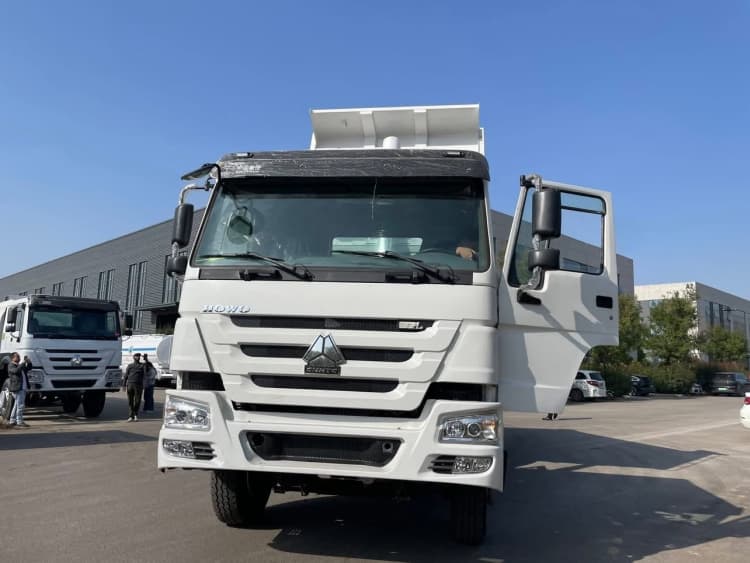
Rigorous Multi-Stage Performance Validation
Finished heavy reman vehicle for sale pass a layered testing regime. Subassemblies are bench-tested first, followed by dyno runs, system diagnostics and functional checks for powertrain, braking, cooling, electrical and hydraulic systems. Performance data is recorded and benchmarked against new truck standards. A unit cannot be classified as genuine heavy reman vehicle for sale it clears the full test protocol.
Formal Certification and Clear Warranty Coverage
A truly heavy reman vehicle for sale comes with formal certification documentation. The certificate confirms compliance with recognised reman standards such as REMAN ROAD, defines what work has been completed, and states clear warranty terms aligned with its reset service life. This differentiates it from informal rebuilds that carry limited or no structured warranty protection.
Reset Service Cycle, Not Merely Extended Service Life
Repair and overhaul only extend the remaining usable life of a worn asset. Standardized reman resets the asset’s service cycle. When properly certified, the truck delivers the reliability, maintenance interval schedules and operational consistency expected from an equivalent new vehicle, delivering predictable long-term TCO for fleet operators.
Distinction Between Technical Restoration and Cosmetic Work
Surface finishing, repainting and cosmetic upgrades happen last — only after mechanical validation is fully completed. Cosmetic improvements never mask underlying wear or structural flaws. A shiny exterior does not make a truck remanufactured; full mechanical restoration to spec is the priority.
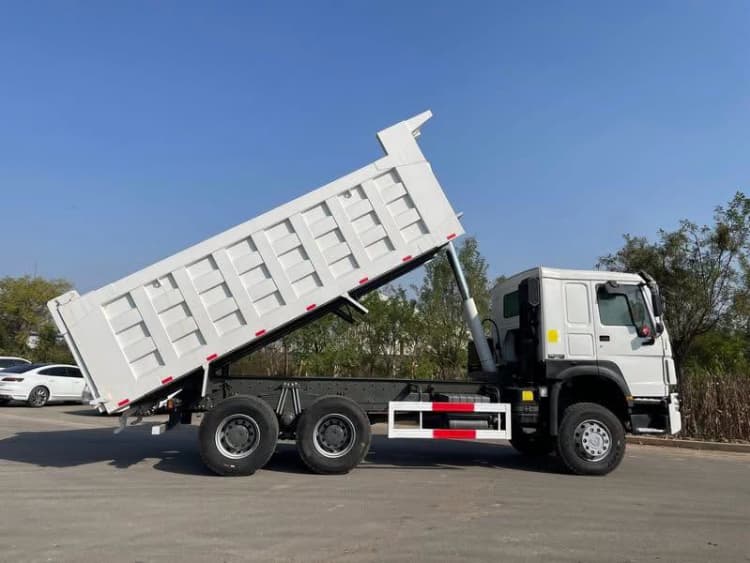
Final Note for Fleet Buyers
When evaluating suppliers, check for all these characteristics together. Missing even one criterion means the vehicle is not true reman. Understanding these markers helps procurement teams avoid misleading marketing claims and select heavy reman vehicle for sale that deliver consistent safety, carbon benefits and operational value.