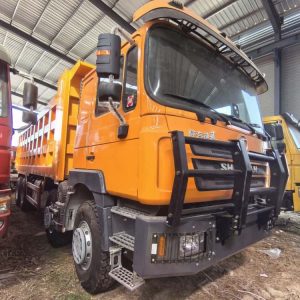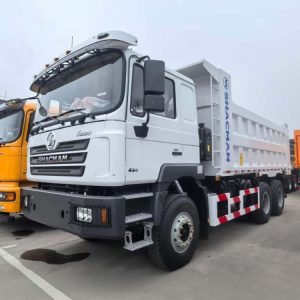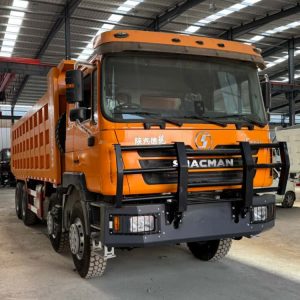
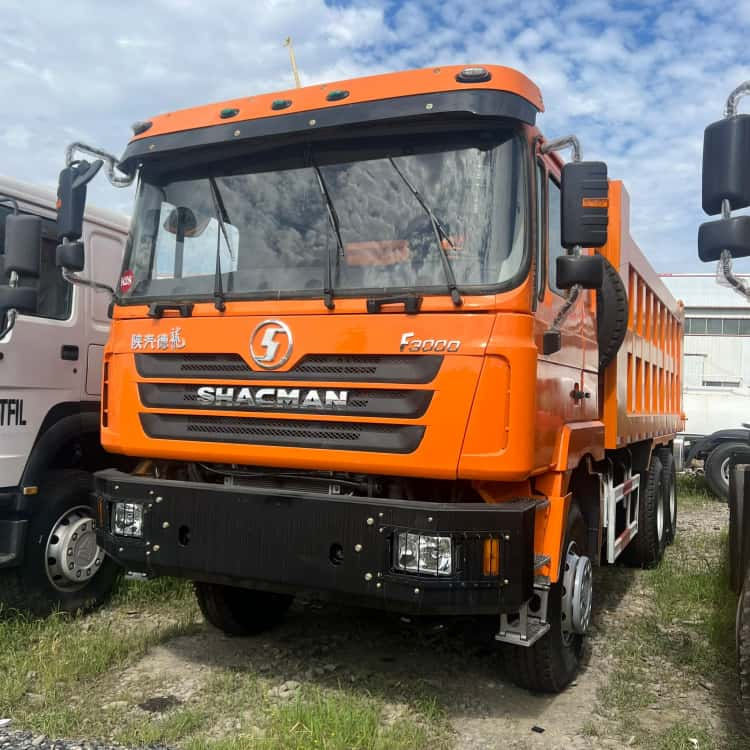
Reman SHACMAN F3000 6×4 Tipper Truck
REMAN ROAD reman SHACMAN F3000 tipper truck leverages circular economy principles, reusing qualified base vehicle materials and lowering carbon footprint versus new truck manufacturing.
Reman SHACMAN F3000 Tipper Truck Description
- The biggest financial loss for construction fleets comes from unplanned site downtime.
- REMAN ROAD reman SHACMAN F3000 tipper truck reduces this risk by renewing high-failure assemblies including hydraulics, brakes and powertrain parts before delivery, minimizing sudden breakdowns during hauling and dumping cycles.
Specification Table
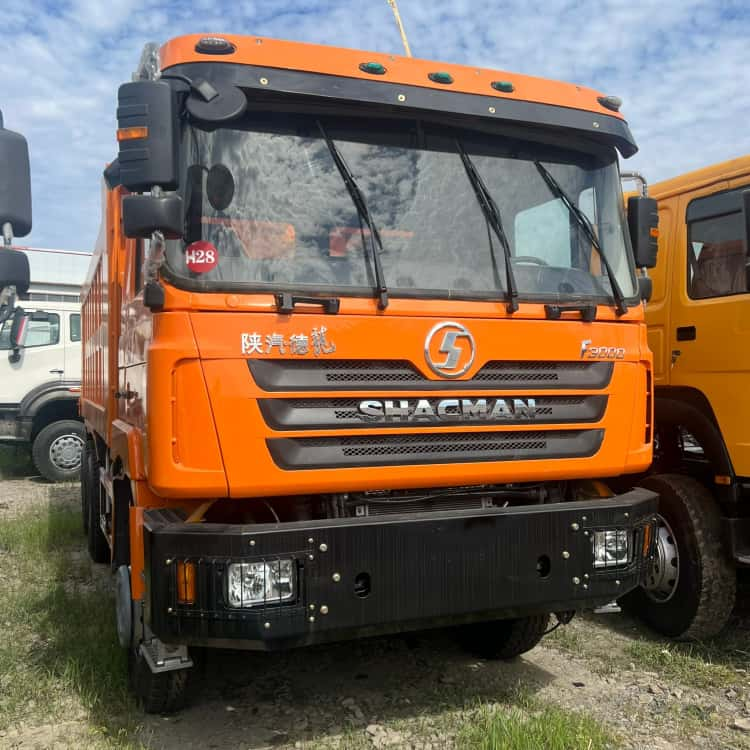
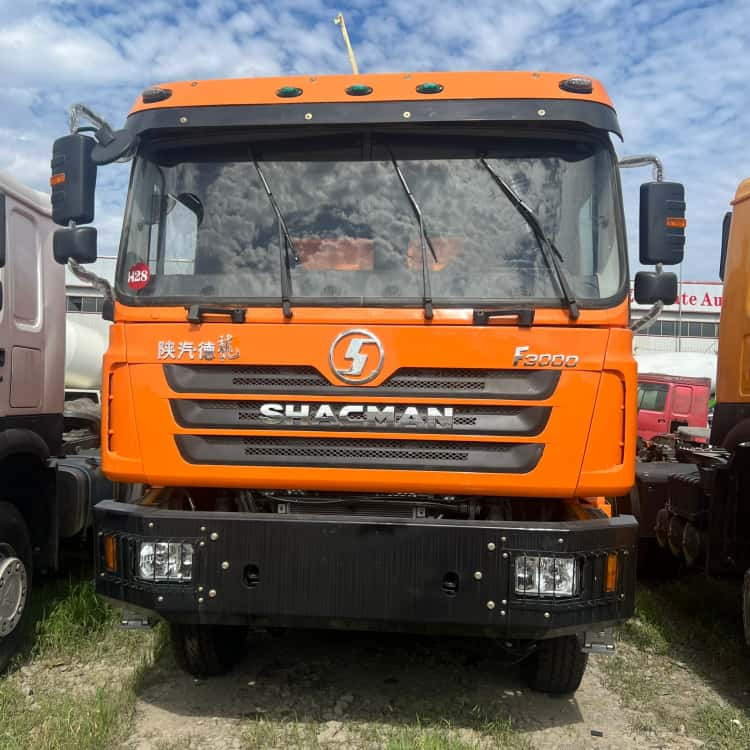
- Model Name: Reman SHACMAN F3000 Tipper Truck 6×4
- Drive Form: 6×4; axle alignment inspected & recalibrated
- Cab: SHACMAN F3000 cabin, reman overhaul, full electrical inspection & calibration
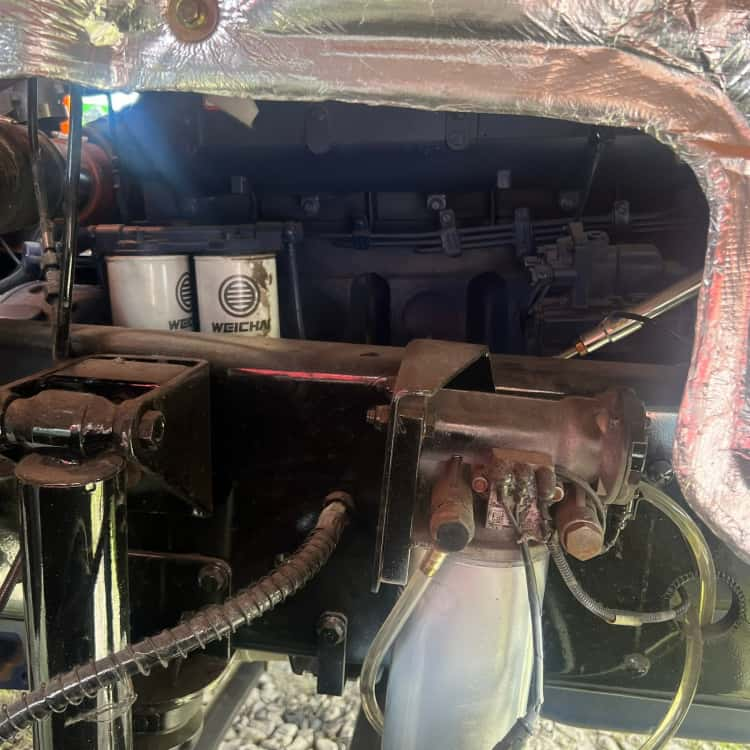
- Engine: Reman WEICHAI diesel engine, bench tested to rated power
- Transmission: Reman manual gearbox, worn bearings & gears renewed, performance tested
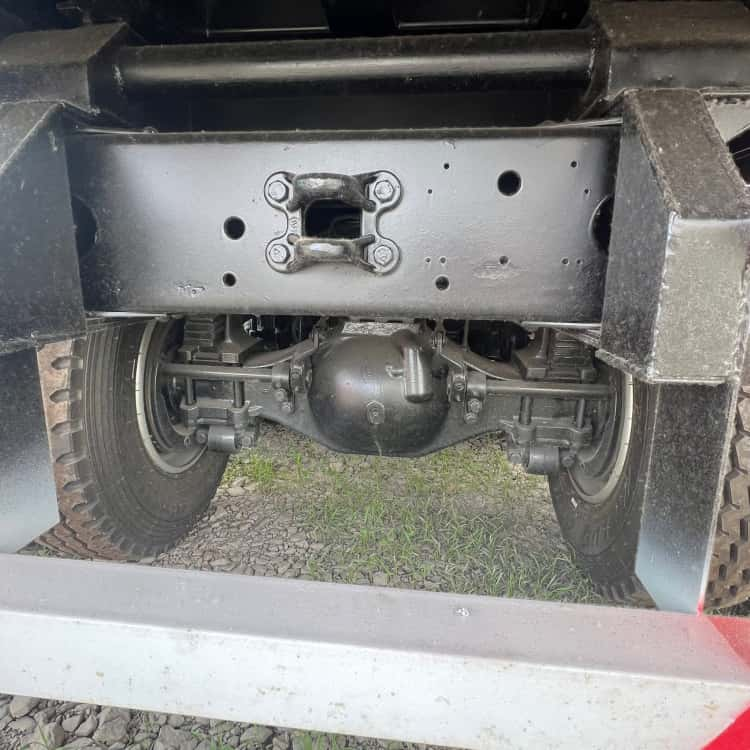
- Axle: Reman heavy-duty drive axles, oil seals and bearing refreshed
- Chassis Frame: NDT crack & fatigue inspection, qualified frames retained
- Braking: Full air brake reman, air tightness and function test completed
- Tires & Rims: Tire screening, damaged tires replaced; rim integrity inspection
- Fuel Tank: 400L steel tank. Internally cleaned, pressure leakage tested, corrosion treated
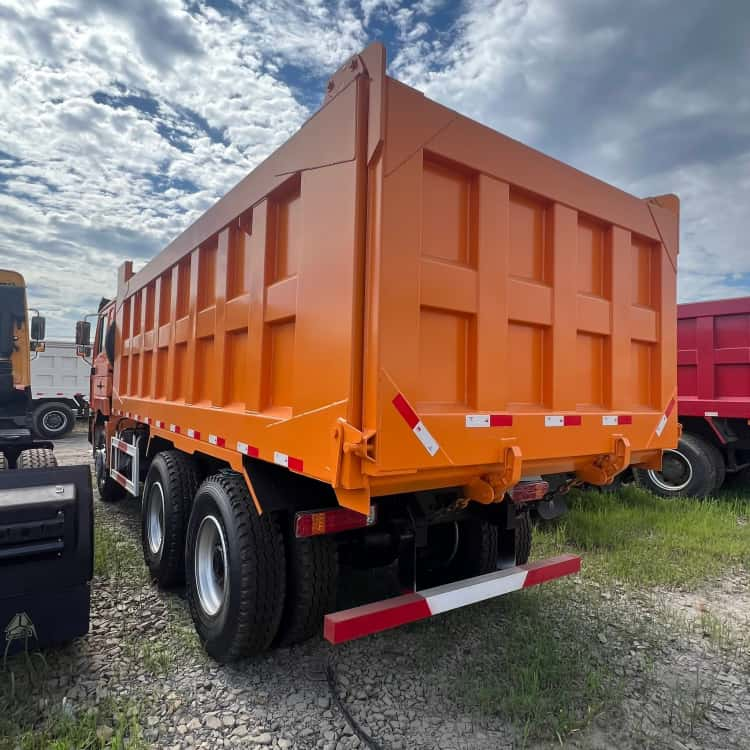
- Cargo Box: Reinforced tipper body, weld inspection, deformation & crack repair
- Hydraulic Tipping: Reman lifting cylinder & pump, repeated lifting cycle test
Truck Remanufacturing Process
- Base Vehicle Screening: Evaluate chassis integrity and mechanical condition; reject trucks with irreversible structural damage.
- Full Disassembly & Deep Cleaning: Strip vehicle into assemblies and remove oil sludge, rust and contaminants.
- Component Inspection & Sorting: Measure and test all parts, classify into reusable, regenerable or replaceable via NDT inspection.
- Component Regeneration & Replacement: Restore usable components; replace parts damaged beyond repair.
- Vehicle Reassembly: Reinstall regenerated and new assemblies to chassis, cabin, powertrain, hydraulics and cargo box.
- Bench Performance Testing: Run separate tests for engine, transmission, braking and hydraulic systems.
- Simulated Load Functional Test: Verify full vehicle performance under simulated working load.
- Final Inspection & Documentation: Complete quality check, compile full reman records and prepare delivery.
Recommended Daily & Scheduled Maintenance For Reman SHACMAN F3000
Simple regular maintenance maximizes the service life and reliability of your reman SHACMAN F3000 tipper truck:
- Complete pre-operation visual and function checks before starting work every day.
- Follow fixed cycles for engine oil, hydraulic fluid, filter replacement and brake system inspection.
- Check chassis fasteners, hydraulic pipeline seals and tire pressure regularly.
- Keep the vehicle clean to reduce dust and mud corrosion on frame and undercarriage.
- Store maintenance records, which also support asset valuation and quality commitment verification.
The Value of Reman Documentation for Internal Fleet Audit
Complete reman files are not just sales paperwork, but core asset management material for your fleet:
- Reman archives record screening results, component inspection, regeneration and replacement details.
- The records support internal asset audits, helping finance teams calculate depreciation.
- It provides clear reference for maintenance technicians to understand component status.
- Documentation can be shared with secondary buyers when you resell the vehicle later.
- Unique reman ID ensures full traceability for every regeneration action on the truck.
RFQ
- Q1: What factors decide whether a base SHACMAN F3000 can enter reman workflow?
A1: We evaluate frame integrity, collision history, powertrain recoverability and metal fatigue status. Any truck with irreversible structural fracture or severe crash deformation will be rejected before reman starts. - Q2: How do reman records help my company’s fleet asset management?
A2: Reman files clearly mark which components were inspected, regenerated or replaced. It helps your team plan future maintenance, calculate asset depreciation and complete internal fleet asset audits. - Q3: What’s the difference between reman quality commitment and a new truck factory warranty?
A3: New factory warranty covers the whole brand-new vehicle from original production. REMAN ROAD reman quality commitment covers assemblies renewed and tested during our reman process, with clear defined scope and conditions. - Q4: Can I visit to witness the reman testing of SHACMAN F3000 before delivery?
A4: Yes, we support factory inspection and witness testing. You can arrange an on-site visit to check the vehicle and review reman documentation before shipment. - Q5: What is the maximum service life I can expect from a reman 10 wheeler truck?
A5: Service life depends on working environment, payload control and regular maintenance. With proper operation, reman 10 wheeler truck can achieve multi-year stable heavy-duty operation. - Q6: When comparing asset depreciation curves, why do reman SHACMAN F3000 tipper truck depreciate slower than ordinary used trucks?
A6: Ordinary used trucks have unknown internal wear, so buyers discount their value heavily. Certified reman SHACMAN F3000 tipper truck have traceable regeneration proof, so secondary market buyers trust their condition, slowing depreciation. - Q7: What happens if a component renewed during reman fails under normal use?
A7: You can refer to our reman quality commitment terms. We will review the operating records and maintenance logs to confirm whether the failure falls within the covered scope.