How Qualified Reman Standardisation Helps You Train New Technicians Faster On Your Fleet Assets?
Intro
Training new heavy-truck technicians is expensive and time-consuming, especially for fleets built from random second-hand chassis. Each used truck may carry unique modifications, ad-hoc repair history, mismatched replacement parts and undocumented calibration tweaks. A fault that presents one way on one unit can behave differently on another, forcing new technicians to learn each truck as a separate puzzle.
REMAN ROAD qualified remanufacturing enforces unified build standards, identical bill of materials and shared test protocols across every standard reman vehicle. This consistency creates a predictable fleet baseline, streamlining onboarding, simplifying fault diagnosis and lowering human error as new service staff come up to speed.
Standardized build removes the chaos of variable used-chassis condition
With ordinary mixed used fleets, technicians never know what they will find when opening a truck. Previous owners may have swapped non-interchangeable axles, fitted unofficial engine parts, altered wiring harnesses or applied makeshift weld fixes. New recruits spend hours tracing custom modifications instead of following established service logic.
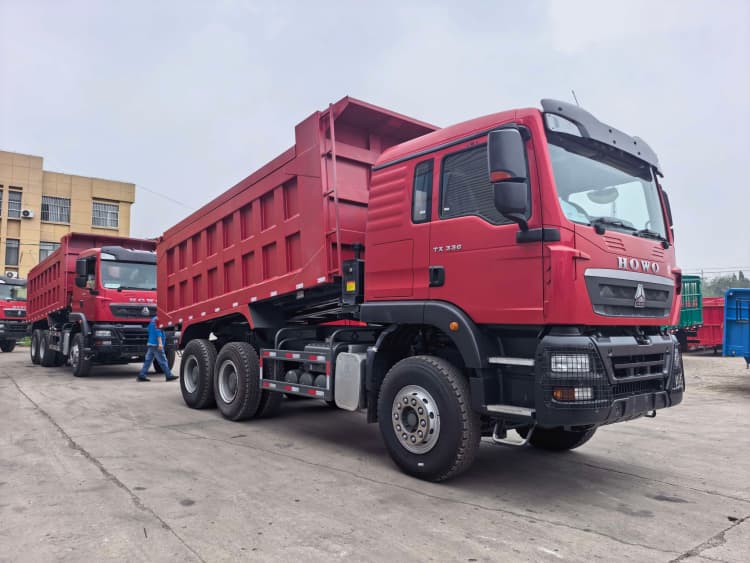
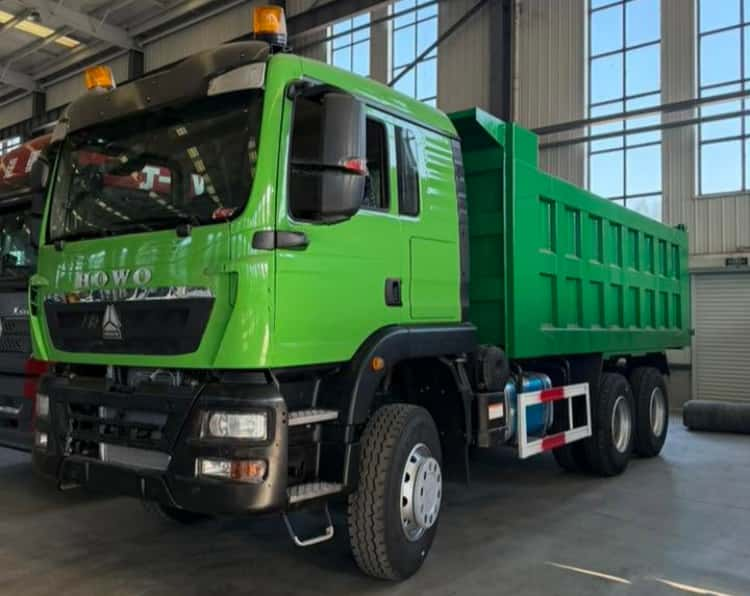
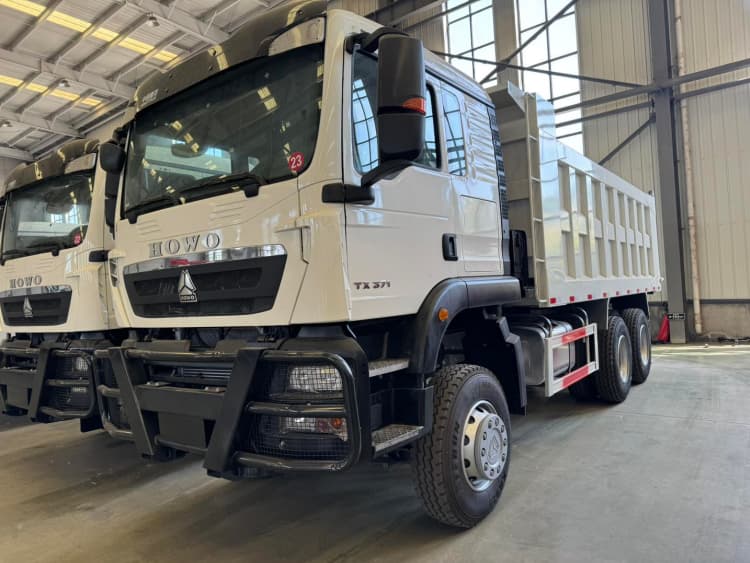
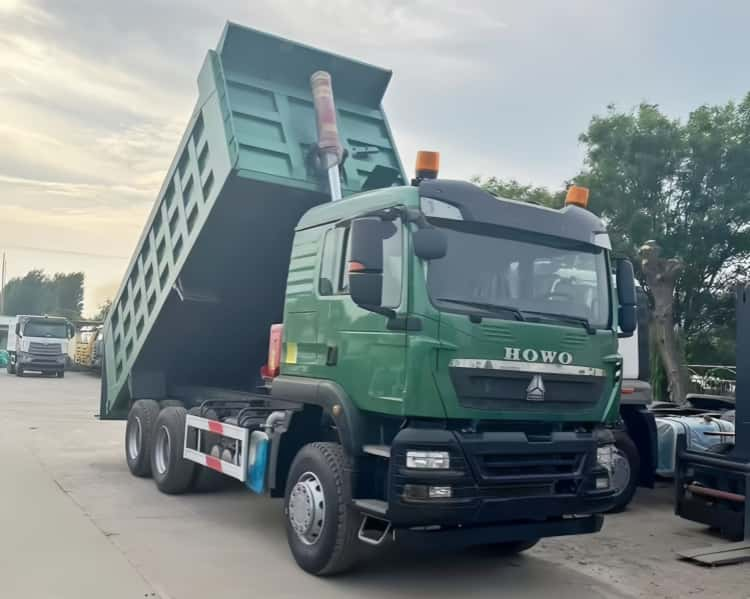
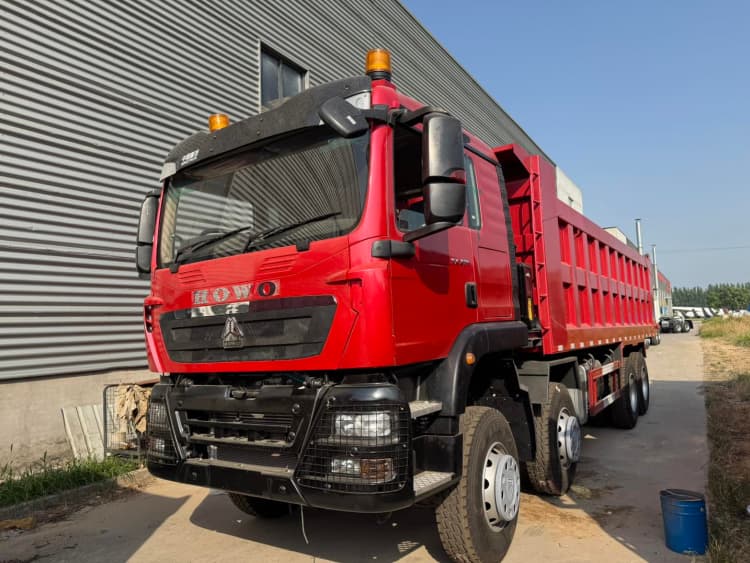
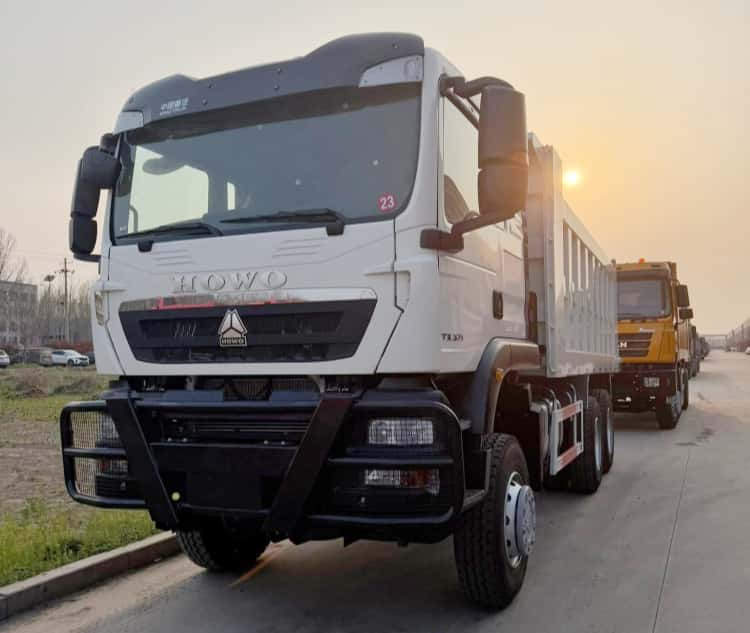
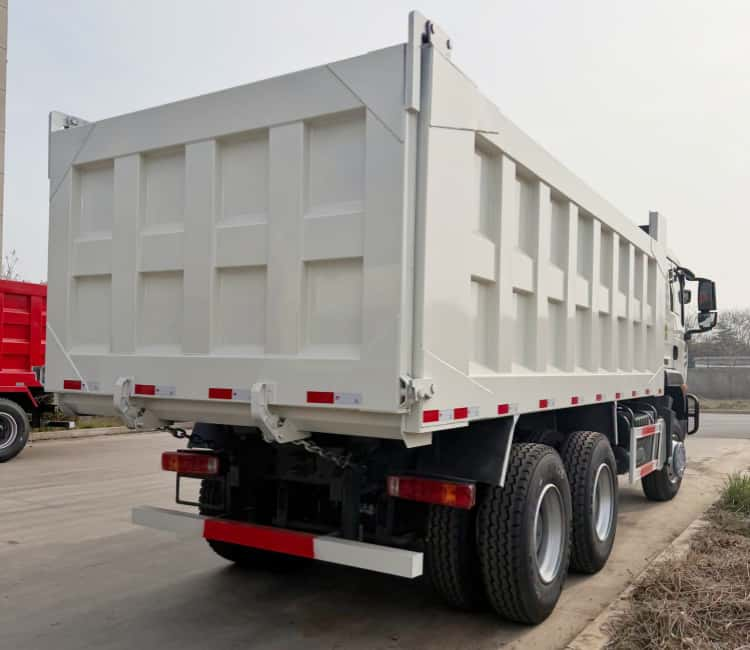
All REMAN ROAD standard reman vehicle follow the same engineering standard for the same model and duty class. Suspension setup, powertrain calibration, brake circuit layout, fastener torque values and component selection are aligned. When a new technician learns the service procedure for one REMAN ROAD reman Shacman F3000 dump truck, that core knowledge transfers directly to every other REMAN ROAD F3000 in the fleet. There is no need to relearn idiosyncratic, one-off changes for each individual chassis.
Centralised traceability logs act as a live training reference
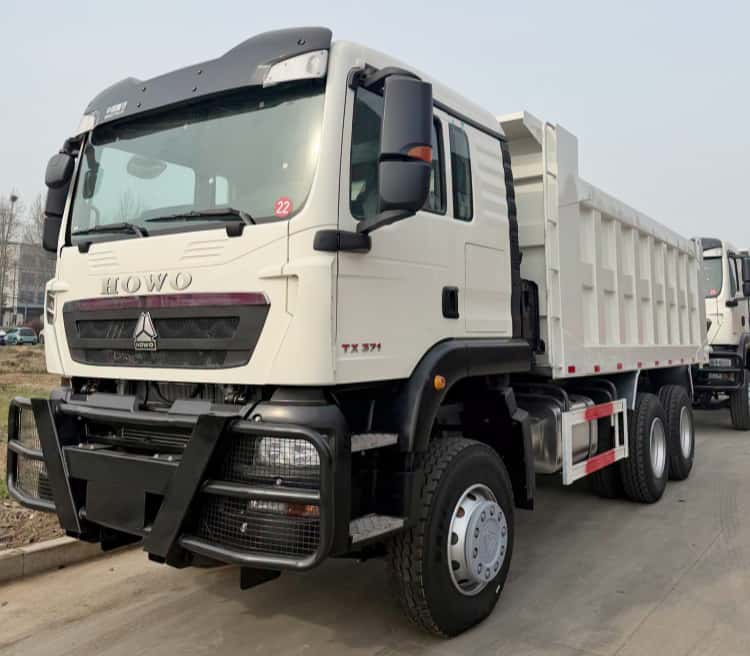
Every REMAN ROAD standard reman vehicle carries a VIN-linked traceability record that lists renewed assemblies, test results, approved substitutions and as-built configuration. New technicians do not need to guess what work has been done, or which parts are original versus upgraded.
During training, the log serves as a standardised reference manual. It shows exactly which NDT checks were performed, which bench calibrations were applied and which spare part numbers are approved for replacement. This reduces reliance on tribal knowledge from senior technicians, which is often inconsistent and hard to pass on. New hires can cross-reference documentation independently while diagnosing faults, accelerating competence growth.
Unified test and validation workflows create repeatable diagnostic routines
REMAN ROAD qualified remanufacturing gates use fixed test sequences: engine dyno validation, brake pressure testing, loaded road cycles and NDT inspection. These same test routines are reused for in-service maintenance and troubleshooting.
When technicians are trained on these standard validation procedures, they develop a consistent diagnostic framework. Instead of using random trial-and-error methods for each breakdown, they follow the same checklist the factory used to certify the truck. This structured approach reduces misdiagnosis, prevents secondary damage and lets new technicians deliver reliable service sooner.
Simplified spare parts stocking reduces part-selection confusion
Mixed used fleets force service teams to maintain a huge inventory of cross-reference parts, because two trucks of the same model can have different internal assemblies. New technicians struggle to identify the correct replacement component.
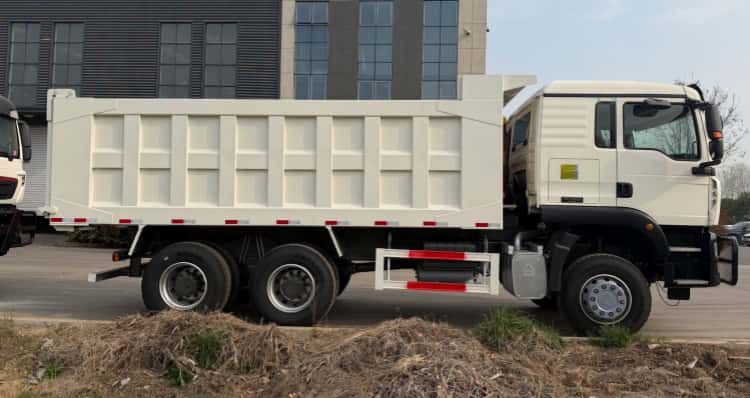
REMAN ROAD qualified remanufacturing builds lock in approved parts lists for each vehicle variant. The service department stocks a smaller, controlled set of validated components. New technicians can quickly match fault symptoms to the approved part number from the standard bill of materials, without sorting through dozens of incompatible aftermarket or obsolete alternatives. This speeds up both training and daily repair work.
Consistent vehicle behaviour helps new tech recognise abnormal symptoms
A major challenge for inexperienced technicians is telling normal operating noise, vibration and fluid consumption from early failure signs. In a random used fleet, baseline performance varies wildly between units.
REMAN ROAD standard reman vehicles of the same type share predictable performance baselines for fuel burn, exhaust behaviour, brake response and operating temperature. New technicians learn what “normal” looks and sounds like on the standardised fleet. Any deviation stands out clearly, making it easier to spot emerging faults before they escalate into major failures.
Important guardrail
Standardisation accelerates training, but it does not replace formal safety training and model-specific mechanical fundamentals. Technicians still need to understand duty classification limits, load-related stress patterns and site safety rules. Standard reman vehicles makes training easier, it does not eliminate the requirement for supervised hands-on practice.
Final Takeaway
Variable, undocumented used trucks turn fleet maintenance into a collection of unique edge cases. For fleet managers, the key takeaway is simple: REMAN ROAD’s qualified remanufacturing standardisation creates a uniform fleet baseline, shared service workflows and clear reference documentation, so new technicians train faster, diagnose more accurately and become productive with less senior-team oversight.