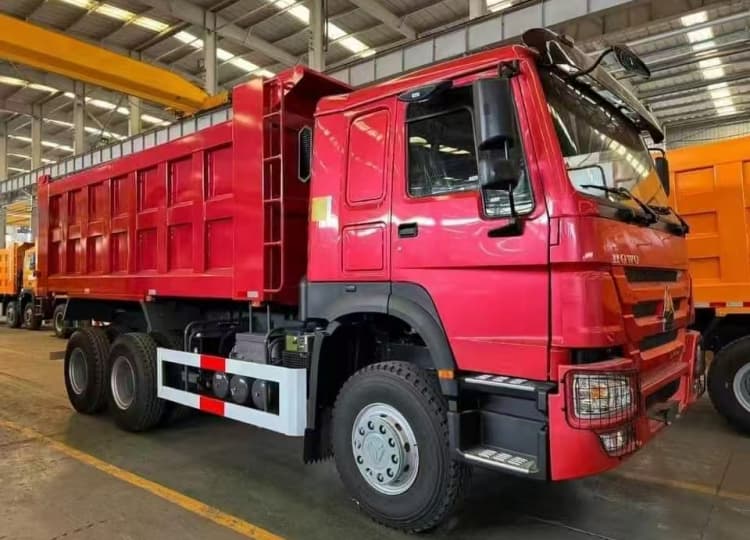
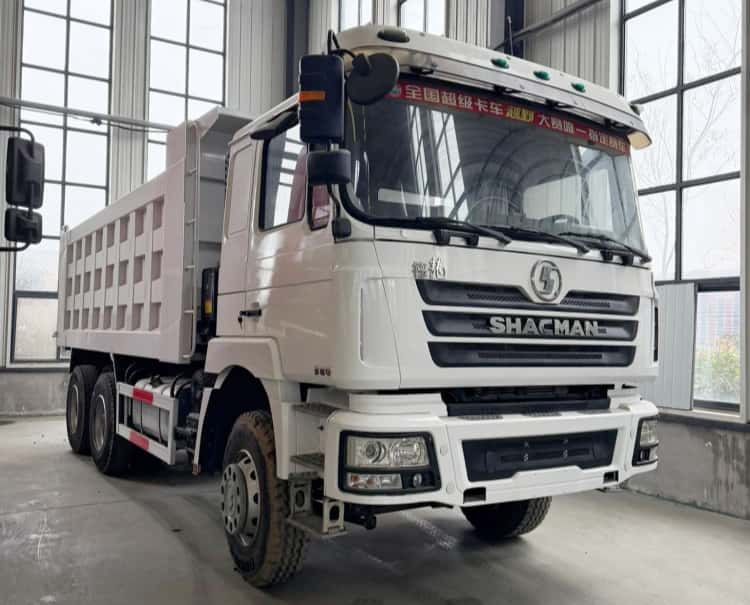
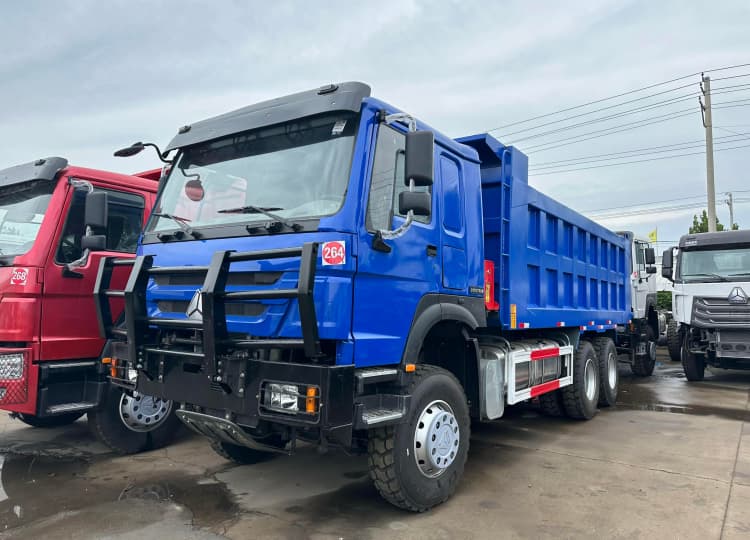
Understanding Heavy Vehicle Remanufacturing: Definition, Process & Core Standards
Introduction
Heavy vehicle remanufacturing is often confused with simple repair, overhaul or cosmetic repainting. For fleet owners buying heavy-duty vehicles, understanding the formal definition, complete production workflow and non-negotiable core standards helps avoid low-quality refurbished trucks and make informed purchasing decisions. Heavy vehicle remanufacturing is an industrial regeneration process, not a quick fix for used vehicles.
Definition of Heavy Vehicle Remanufacturing
Heavy vehicle remanufacturing is a standardized industrial process that takes eligible retired heavy truck cores as raw material.
- The whole vehicle is fully disassembled, cleaned, inspected and graded.
- Reusable structural components are precision-machined back to original OEM dimensions.
- All fatigue-limited consumable parts are replaced with brand-new, specification-compliant components.
- After assembly, the truck undergoes performance testing to restore near-new OEM-level performance and reset its full service life.
It is fundamentally different from repairing a single broken part or refreshing a truck’s appearance. A remanufactured vehicle starts with a used core, but the finished asset is systematically regenerated to meet defined engineering benchmarks.
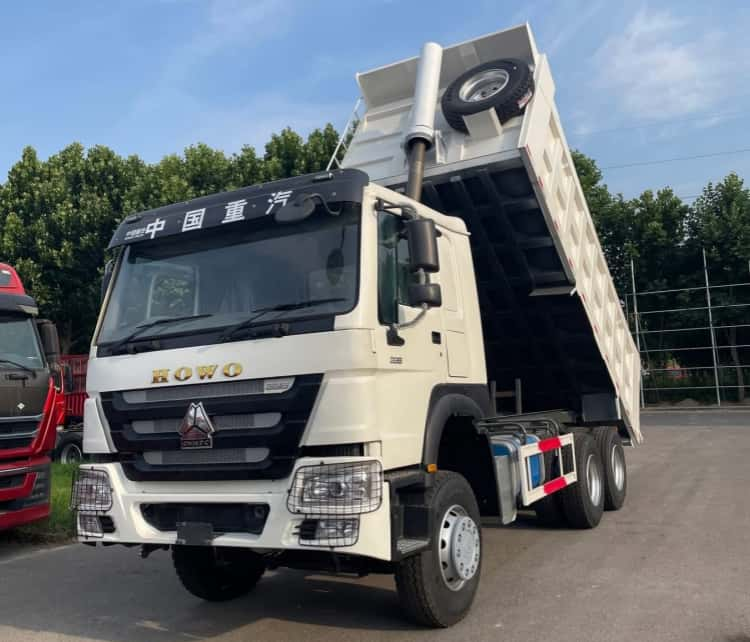
Standard Heavy Vehicle Remanufacturing Process
- Core Screening & NDT Inspection Retired trucks are evaluated first. Non-destructive testing checks frame rails, engine blocks, crankshafts and axle housings. Cores with irreversible cracks, permanent deformation or severe corrosion are rejected and scrapped. Only structurally sound cores move forward.
- Full Vehicle Disassembly The entire truck is completely stripped down. Cab, engine, transmission, axles, steering, suspension and brake assemblies are separated into individual components. No major assembly remains sealed and uninspected.
- Component Cleaning & Grading All disassembled parts go through industrial cleaning to remove carbon, oil, rust and grime. Technicians grade every component into three categories: reusable after machining, replace with new parts, or scrap.
- Precision Machining for Reusable Core Parts Sound metal castings and forged components are machined to eliminate wear, taper and out-of-round conditions. The work restores parts to OEM geometric tolerances within permitted stock removal limits.
- Full Replacement of Fatigue-Critical Components Bearings, seals, gaskets, piston rings, brake linings, rubber hoses and high-torque fasteners are replaced with new qualified parts, regardless of visual condition. These wearing parts are the main source of unexpected breakdowns.
- Reassembly & ECU Calibration Components are reassembled following OEM assembly procedures. Powertrain ECU is calibrated back to factory specifications to restore original power, torque and fuel economy curves.
- Bench Dyno and Full-Load Road Validation The finished remanufactured vehicle runs dynamometer testing for engine performance, followed by full-load road tests under rated payload. Braking, cooling, thermal stability and transmission performance are verified. Units failing OEM tolerance ranges require rework.
- Final Inspection, Documentation & Certification A final quality audit is performed. All inspection reports, NDT records, parts lists and test data are compiled into a VIN-linked traceability dossier. Independent third-party audit is conducted to issue remanufacturing certification.
Core Standards of Heavy Vehicle Remanufacturing
- Full disassembly requirement Partial rebuild of only the engine or cab cannot be classified as whole-vehicle remanufacturing. All major systems must be taken apart and inspected.
- NDT structural screening before machining Visual inspection alone is insufficient. Critical load-bearing metal parts must pass non-destructive testing to rule out hidden cracks and metal fatigue.
- OEM-level performance benchmark Finished remanufactured vehicle must meet OEM published specifications within factory tolerance bands for power, torque, fuel consumption, braking and thermal stability.
- Proactive replacement of wear components Fatigue-prone consumables cannot be reused, even if they appear functional. New qualified parts are mandatory.
- Complete traceability and independent verification Every stage of remanufacturing process must be recorded. Genuine certification relies on third-party audit instead of only workshop self-certification.
Common Confusions Clarified
- Reman vs Repair: Repair fixes one faulty component after failure. Heavy vehicle remanufacturing proactively regenerates the entire vehicle before deployment.
- Reman vs Overhaul: Overhaul typically rebuilds one single assembly such as an engine. Heavy vehicle remanufacturing covers every system across the whole truck.
- Reman vs Refurbishment: Refurbishment focuses on cosmetic cleaning, repaint and fixing obvious leaks. It skips full disassembly, NDT and OEM performance validation.
Conclusion
Heavy vehicle remanufacturing is a rigorous industrial regeneration process built on clear definition, standardized step-by-step remanufacturing process and strict core standards. It transforms eligible retired truck cores into assets with near-new OEM performance and a reset service life.
Fleet buyers should always verify NDT reports, performance test records and traceable certification documents. Do not judge reman quality only by exterior paint or cabin appearance.