
Complete Heavy Reman Vehicles Procurement Guide for Global Fleet Buyers
Introduction
Global fleet buyers face unique challenges when sourcing heavy reman vehicles. Unlike standardized new truck purchasing, the reman market suffers from inconsistent definitions, uneven supplier quality and vague inspection standards.
Many fleet operators struggle to distinguish genuine industrial heavy reman vehicles for sale from cosmetic refurbishment, leading to unexpected downtime, inflated maintenance costs and poor long-term asset returns.
This complete procurement guide walks fleet teams through every critical stage, from pre-purchase supplier vetting to post-delivery acceptance, helping buyers make safe, cost-effective heavy reman vehicles procurement decisions.
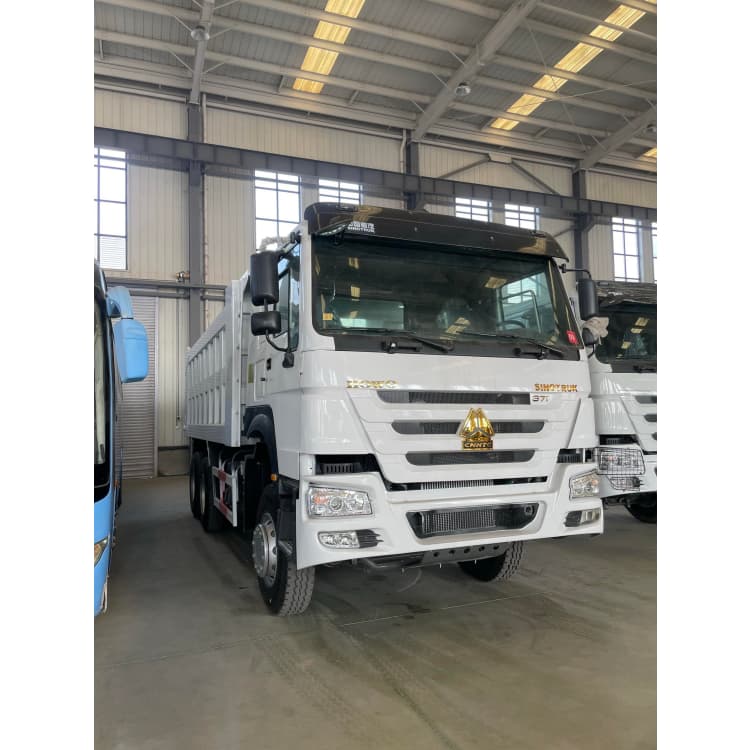
Step 1: Clarify Fleet Operating Requirements & Procurement Goals
Before contacting suppliers, define your core operational parameters to avoid mismatched assets. Confirm working conditions: mining, quarry, highway haulage or urban construction.
Document required load capacity, terrain adaptation, daily operating hours and expected service cycle. Also set clear financial targets: budget range, target full-lifecycle TCO, expected residual value and warranty expectations.
With clear goals, you can filter suppliers and vehicle models quickly and avoid being misled by marketing descriptions that do not match your fleet’s actual needs.
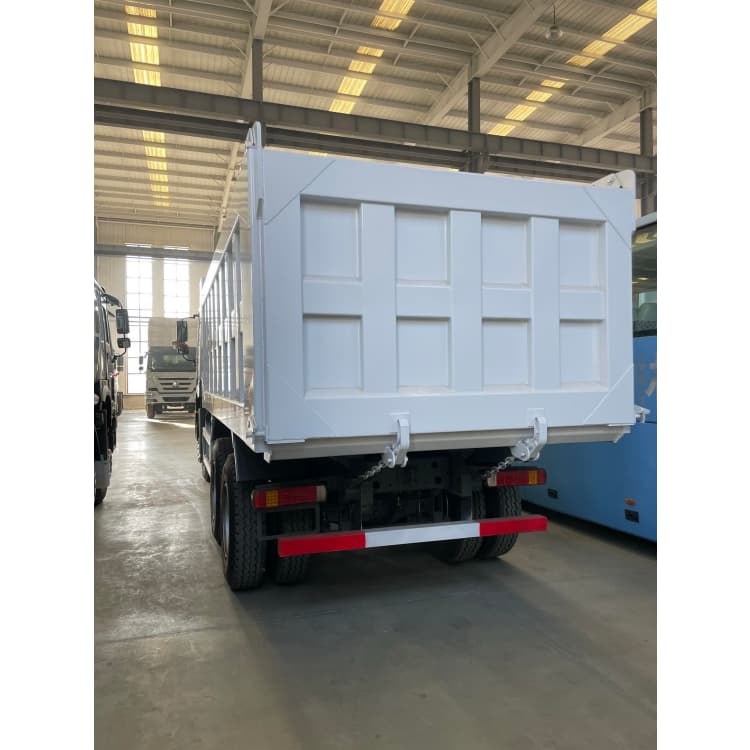
Step 2: Supplier Qualification Vetting
Supplier credibility is the first risk control point. Evaluate whether the vendor follows formal industrial reman standards, rather than simple repair services. Request proof of their reman workflow system, quality control protocols and past fleet project references.
Verify their traceability mechanism: can they provide full records for each heavy reman vehicles for sale? Avoid suppliers who cannot offer standardized test reports and only focus on low upfront prices. Reliable reman providers prioritize transparent processes, not just low pricing.
Step 3: Vehicle Pre-Selection & Core Documentation Review
Once potential suppliers are shortlisted, review the documentation of target heavy reman vehicles. Mandatory files include base vehicle screening reports, full disassembly logs, component replacement lists, non-destructive inspection records, multi-stage performance test data and final acceptance certificates.
Cross-check the VIN against all documents to ensure file integrity. Incomplete or inconsistent paperwork is a major warning sign, as genuine industrial remanufacturing generates complete traceable records for every asset.
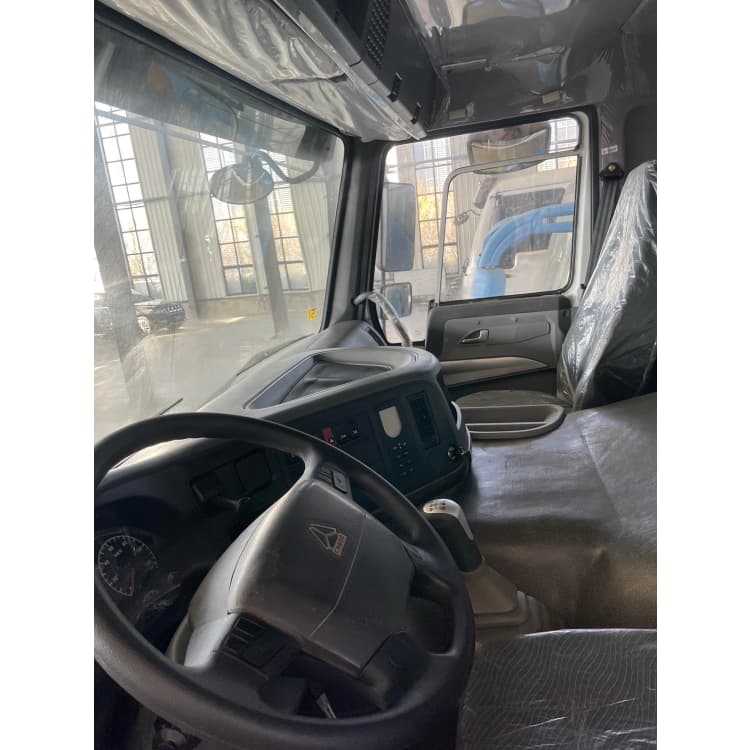
Step 4: On-Site Physical Inspection Checklist
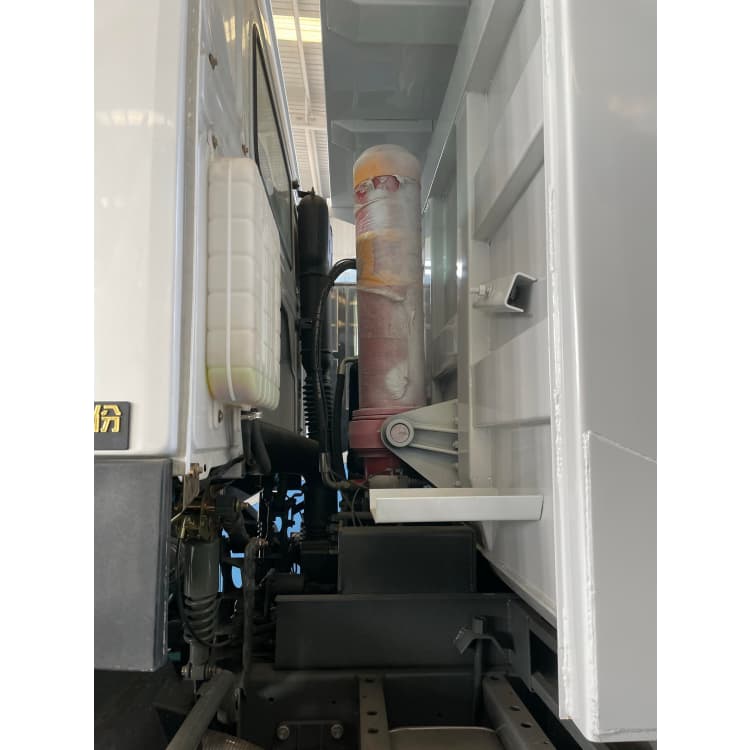
Conduct thorough on-site inspection before purchase. Start with frame structural inspection, focusing on fatigue cracks, hidden deformation and welding quality. Inspect powertrain performance including engine, gearbox and axles, and test brake and hydraulic systems under load.
Check whether high-risk consumable parts have been fully renewed as required by industrial reman standards. Do not rely only on visual appearance and paint finish, as cosmetic renovation can hide severe internal mechanical defects. Dynamic road testing under load is strongly recommended to expose unstable performance issues.
Step 5: Contract, Warranty & Delivery Term Negotiation
All quality commitments must be written formally into the procurement contract. Clarify warranty scope, covered components, warranty duration and support response speed.
Define acceptance standards, inspection methods and liability clauses for non-compliant reman units. Confirm delivery schedule, loading plan, shipping responsibilities and pre-handover inspection rules.
Avoid vague wording such as “good condition” or “rebuilt quality”. Quantifiable acceptance criteria are essential to resolve disputes if the delivered vehicle fails to meet industrial reman standards.
Step 6: Pre-Handover Acceptance & Fleet Handover
Do the final acceptance before taking delivery. Repeat key functional tests and cross-verify all documents again. Confirm spare parts list, operation manuals and maintenance guidance provided by the supplier.
After asset handover, arrange training for fleet maintenance teams on reman vehicle maintenance requirements. Proper early-stage management preserves the vehicle’s performance and maximizes the service life of your heavy reman vehicles.
Conclusion
Procuring heavy reman vehicles is a systematic asset investment rather than a simple one-off purchase. By clarifying operational demands, vetting suppliers, auditing traceable documentation, performing rigorous physical inspection and locking down clear contract terms, global fleet buyers can filter low-quality assets and select certified reman vehicles. A disciplined procurement process minimizes operational risks, stabilizes fleet uptime and unlocks the TCO advantages of industrial reman solutions.