
How Reman Heavy Vehicles Cut Full-Lifecycle TCO for Global Fleets?
Introduction
For global fleets operating construction, mining and transport heavy assets, procurement decisions should never focus merely on upfront purchase price.
Total Cost of Ownership (TCO) captures every expense across the asset’s usable life: capital expenditure, depreciation, routine maintenance, emergency repairs, downtime losses and residual value at disposal.
While brand-new heavy vehicles carry steep initial depreciation, and plain used trucks bring unpredictable breakdown risks, standard industrial reman heavy vehicles for sale deliver measurable full-lifecycle TCO reduction for fleet operators worldwide.
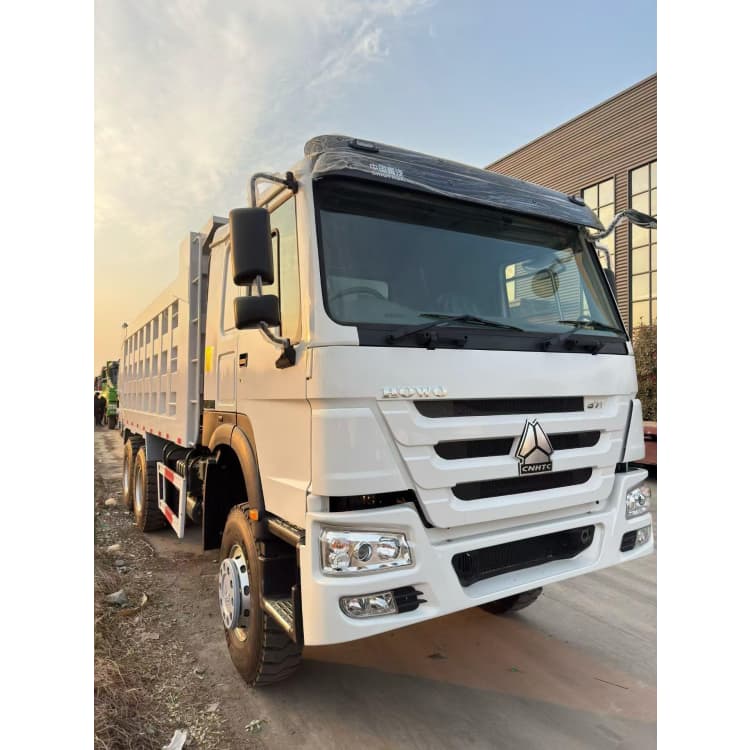
What Is Full-Lifecycle TCO for Heavy-Duty Fleets
Full-lifecycle TCO represents the total financial burden of owning and operating a heavy vehicle, from acquisition until asset retirement.
Many fleet teams only calculate purchase plus fuel costs, ignoring indirect costs that often dominate spending: unexpected repair bills, project delay penalties from downtime, rapid value loss, and expensive emergency part replacements.
For heavy-duty fleets operating in harsh environments, unplanned downtime can easily surpass direct maintenance costs and become the biggest TCO driver. Any effective fleet asset strategy must account for all these factors together.
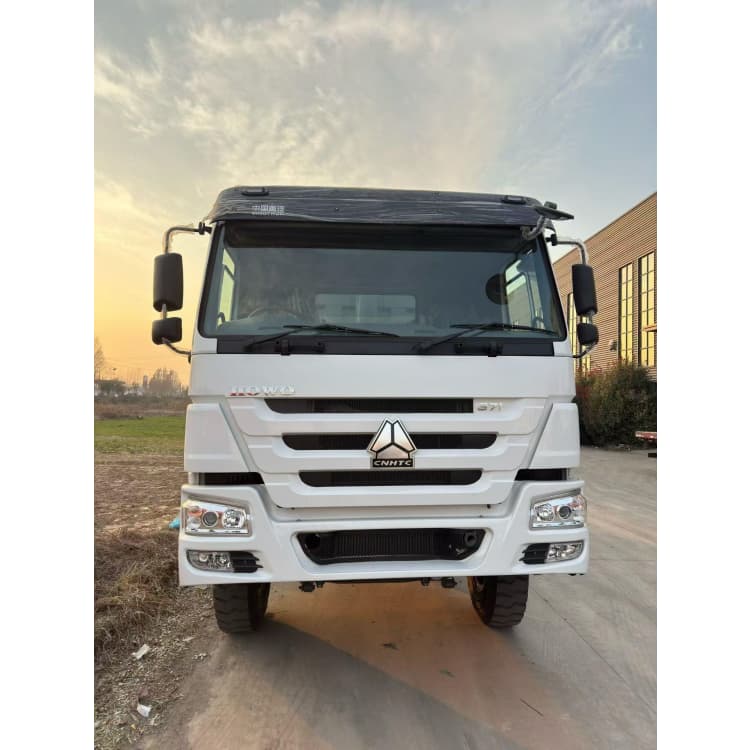
Lower Depreciation Curve of Standard Reman Heavy Vehicles
New heavy vehicles suffer sharp depreciation in their first two years of service, losing a large share of asset value immediately after leaving the factory.
Certified reman heavy vehicles avoid this steep value drop. The base unit has already passed its fastest depreciation phase, and standardized industrial remanufacturing restores core performance with formal quality records.
The asset value remains stable during operation, without dramatic short-term value shrinkage. When fleets rotate assets later, reman heavy vehicles for sale retain healthier residual value, cutting the net loss over the ownership cycle.
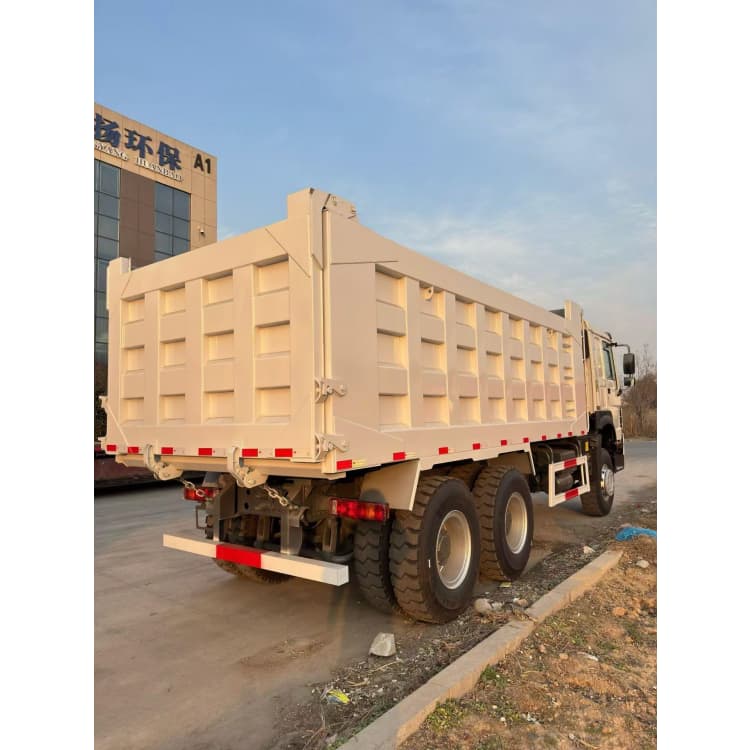
Predictable Maintenance & Controlled Component Expense
Genuine remanufacturing follows strict industrial rules: all high-wear, failure-prone components get renewed during the reman process, not just visibly broken parts. After delivery, reman heavy vehicles for sale follow a regular, predictable maintenance schedule. Fleet managers can budget maintenance costs months or years ahead, without sudden large emergency repair invoices.
Unlike used trucks with unknown internal wear or cosmetic-refurbished units that hide aging parts, standard reman heavy vehicles for sale remove uncertainty from maintenance planning and stabilise recurring operational spending.
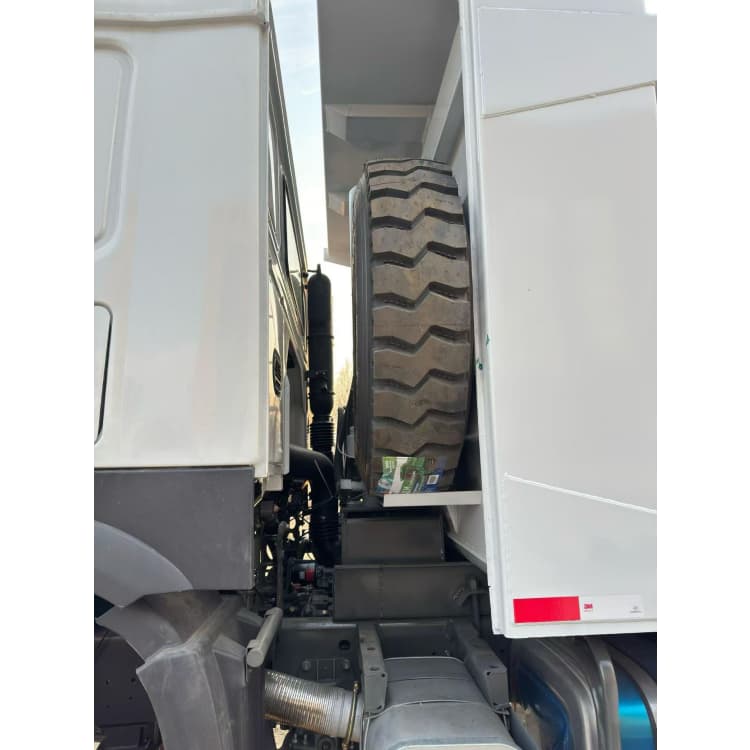
Reduce Costly Unplanned Downtime
Downtime is the most underestimated TCO expense for global fleets. When a truck fails on-site, fleets face idle labour, halted construction or transport workflows, contract penalties and rush delivery fees for replacement parts.
Certified reman heavy vehicles for sale pass multi-stage load testing, structural inspection and system calibration before handover. Hidden mechanical and structural faults are eliminated during remanufacturing.
This drastically cuts sudden breakdown frequency, keeps vehicles active on site, and prevents the huge indirect losses that cripple fleet profitability.
Optimize Capital Allocation for Fleet Expansion
Using reman heavy vehicles allows fleets to deploy more operational assets with the same capital budget, compared with buying brand-new trucks. Instead of sinking large sums into a small fleet of new vehicles, operators can build a larger working fleet with certified reman assets.
The lower entry cost preserves cash flow for project investment, spare parts inventory or business expansion, while still maintaining reliable operational capacity. This capital efficiency improves overall fleet ROI without sacrificing safety or uptime.
Conclusion
Full-lifecycle TCO optimization is the core goal of modern fleet asset management. Standard reman heavy vehicles for sale reduce total ownership cost through slower depreciation, forecastable maintenance, fewer unplanned breakdowns and smarter capital deployment.
For global fleets seeking balanced reliability, safety and cost control, reman solutions provide a proven path to lower long-term asset spending and more stable operational returns.