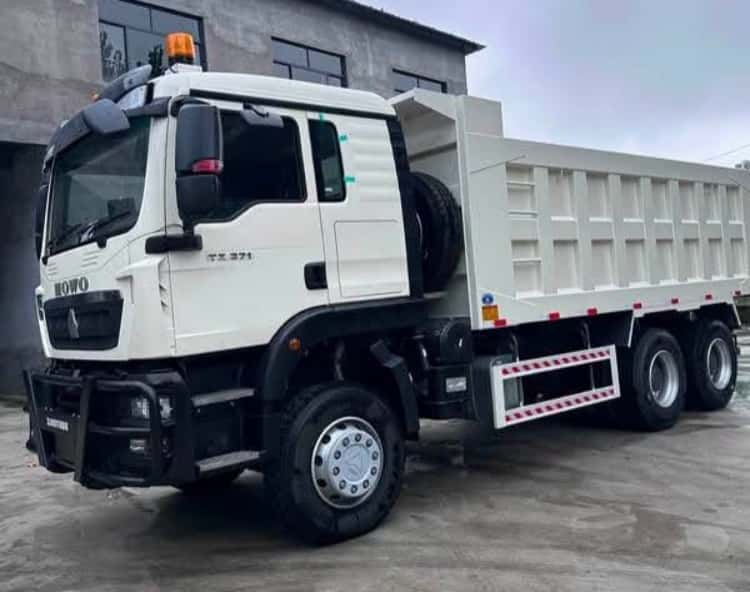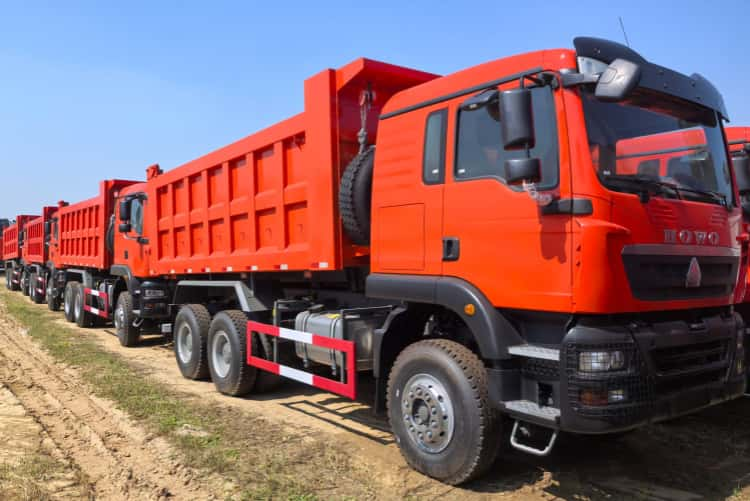
Why Reman Units Is A Strong Fit For Contractors Who Frequently Rotate Trucks Between Job Sites?
Intro
Many civil and haulage contractors manage a portfolio of overlapping jobs: quarry earthmoving, road construction, port shuttle runs and long-distance material deliveries. Trucks are regularly moved from one site to another to meet shifting demand. Ordinary used trucks are poorly suited for this rotation model. Their unknown fatigue history, undocumented repairs and ambiguous performance limits force engineering and EHS teams to run repeated, costly re-inspections every time they relocate.
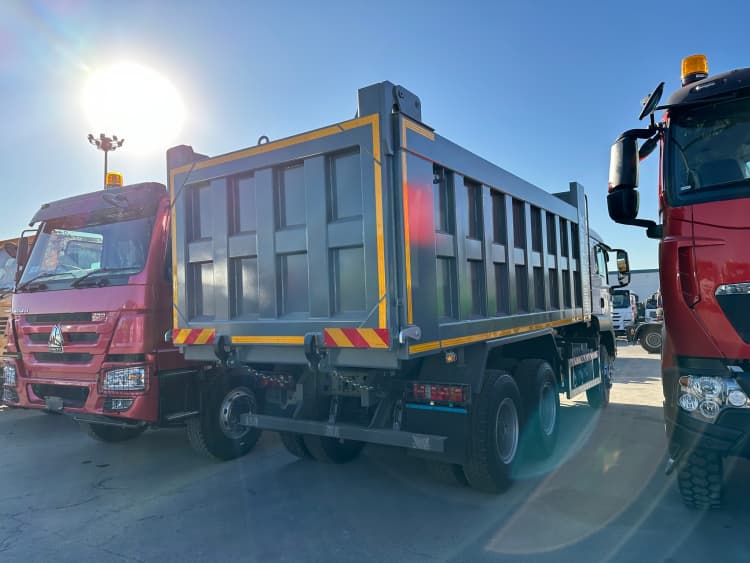
REMAN ROAD certified reman units are engineered for mobility between worksites. Every truck has a formal duty classification, full audit trail and validated performance baseline. This consistent pedigree removes much of the uncertainty when assets are reassigned. This article explains why genuine reman units are a strong fit for contractors who frequently rotate trucks between job sites.
Duty classification provides portable operating limits
Each job site has unique conditions: steep pit roads, smooth paved haul routes, weight restrictions and different cycle frequencies. Without clear documentation, dispatchers may accidentally deploy a highway-rated truck into heavy off-highway service, triggering accelerated structural fatigue.
Every REMAN ROAD certified reman units’s duty rating is permanently recorded in its traceability log. Before moving a truck to a new site, your team can quickly confirm whether its validated load, terrain and cycle envelope match the new site requirements. This portable specification eliminates guesswork and reduces the risk of misassignment, even when site supervisors change regularly.
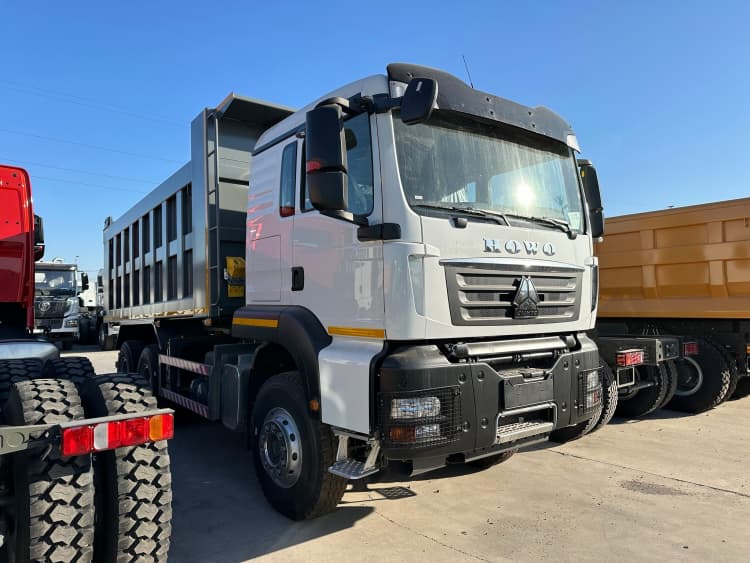
Standardized traceability satisfies repeated site pre-qualification
Prime contractors and mine operators often require vehicle verification before a truck is allowed on site. If you rotate assets constantly, you would otherwise resubmit disjointed service records, repair slips and inspection reports for every relocation.
REMAN ROAD certified reman units traceability follows a uniform format. The same NDT, bench test and third-party audit package can be shared repeatedly for different site approvals. Instead of rebuilding compliance files from scratch, your admin team can forward the existing VIN record. This cuts administrative bottlenecks and speeds up site entry.
Consistent build reduces maintenance chaos across scattered sites
When trucks rotate, they are serviced by different technicians, in different temporary workshops. A mixed used fleet with ad-hoc modifications creates confusion: parts references vary, service procedures are inconsistent, and fault symptoms are unpredictable.
Matching REMAN ROAD variants share identical bill of materials, calibration settings and service checklists. A technician familiar with one unit can quickly service another at a separate site. Spare part requirements are predictable, so your central stores can support multiple remote locations without stocking a huge range of niche components.
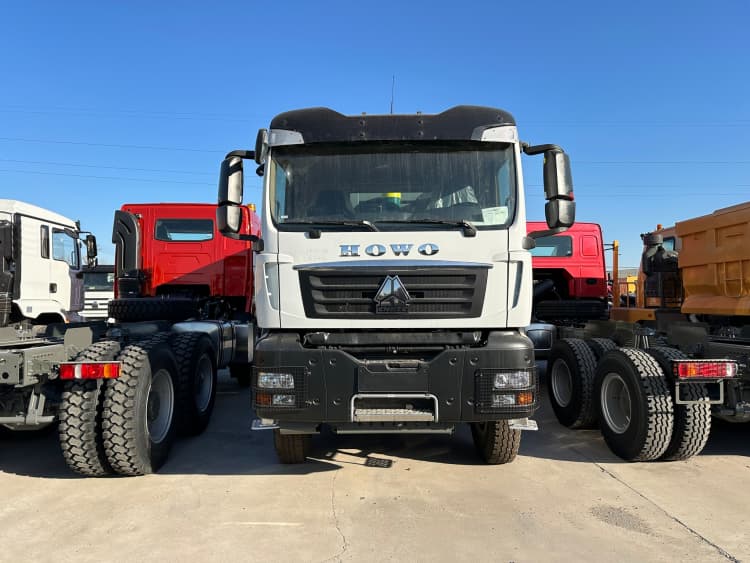
Known residual value makes reallocation and redeployment financially flexible
For contractors with dynamic workloads, some trucks may spend months on a quarry, then shift to highway aggregate runs, or be temporarily parked when a job finishes. New trucks carry heavy depreciation pressure if they are not continuously utilised. Unverified used trucks are hard to monetise or reallocate because buyers and site managers distrust their history.
REMAN ROAD genuine reman units’s auditable lifecycle records keep residual value transparent. If a site wraps up, you can move the truck to another active project, place it in a rental pool or sell it to another operator without steep, unexplained discounts. This gives you far more financial agility across your job portfolio.
Easier incident and wear tracking across site boundaries
If a truck develops a fault or is involved in an incident after moving sites, untraced used assets make it hard to pinpoint whether the root cause came from the prior site, the new site, or pre-existing hidden defects.
The VIN traceability log acts as a permanent baseline. When a failure appears during a new job, reviewers can compare the as-built reman validation data against the wear accumulated at each site. This simplifies root-cause analysis and protects your team from unfair liability assumptions.
Important guardrail
Duty classification and traceability do not replace site-specific rules. Even a heavy-duty off-highway reman truck must comply with local site payload limits, road rules and pre-trip inspection protocols. Rotation still requires handover checks between drivers and site maintenance teams.
Final Takeaway
Frequent site rotation exposes the weaknesses of unvetted used trucks. For contractors, the key takeaway is simple: REMAN ROAD genuine reman units deliver portable, verifiable operating limits and standardised audit records, so you can safely and efficiently reallocate trucks between jobs, reduce repeated compliance work and keep your rotating fleet under control.