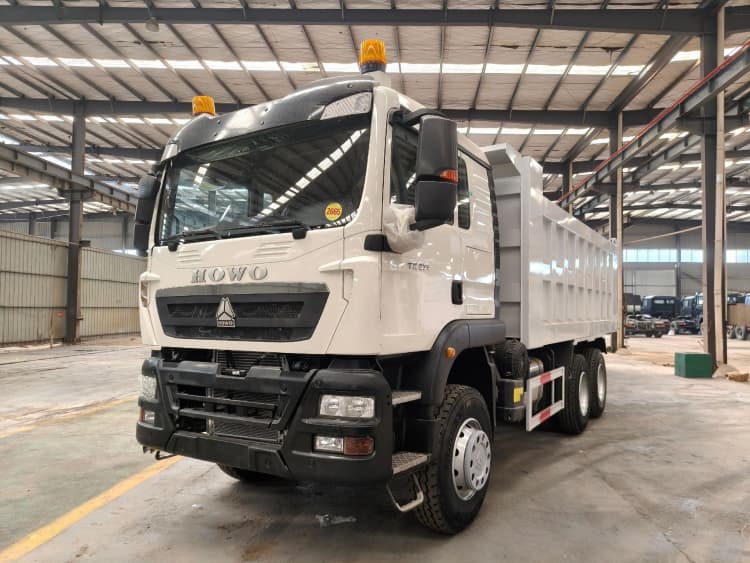
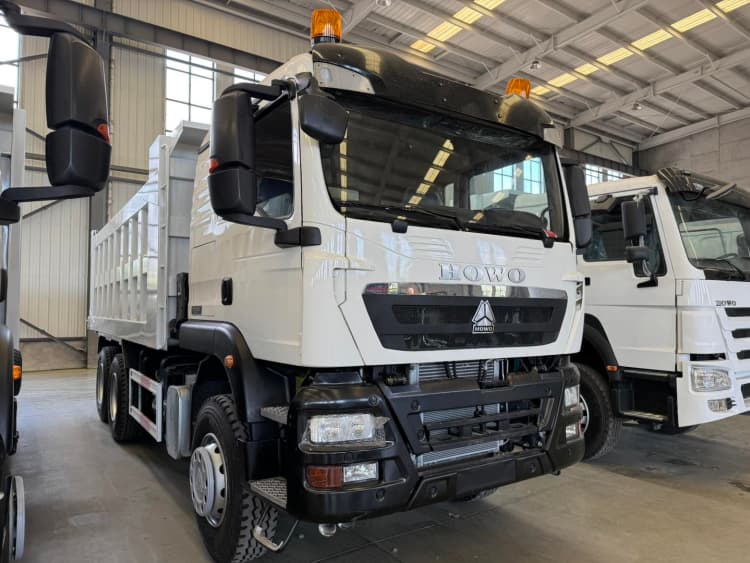
The Practical Advantages Of Reman Unit For Fleets Navigating Fluctuating Cross-Border Freight Rules
Intro
Fleets operating cross-border heavy haulage face constant regulatory uncertainty. Import quotas, roadworthiness checks, emission requirements and local vehicle documentation rules change without advance notice, often creating costly delays at border posts. Brand-new trucks may face long import lead times and high duty burdens, while ordinary used trucks frequently get detained, rejected or flagged for missing repair and inspection paperwork.
REMAN ROAD certified reman units are built with cross-border compliance in mind. Every truck comes with a full, auditable lifecycle file tied to its VIN, including NDT structural reports, dyno validation, third-party audit sign-off and clear component documentation. This article covers the practical advantages certified reman units bring to fleets navigating shifting cross-border freight rules.
Standardised records reduce border inspection delays
Border officials and local transport authorities prioritise verifiable vehicle documentation. Generic used trucks often have fragmented, handwritten service records, altered mileage or no proof of structural inspection. When regulations tighten, these vehicles are far more likely to be pulled aside for extended deep inspections, or turned away entirely.
Each REMAN ROAD certified reman unit’s traceability package is consistent and structured. Inspectors can quickly review NDT results, brake performance tests, powertrain calibration data and audit certificates. Instead of entering lengthy, discretionary inspections, your fleet can demonstrate that the vehicle meets a fixed, documented quality baseline. When cross-border rules are updated, this standardised evidence pack is easier to adapt and submit than ad-hoc repair slips from local workshops.
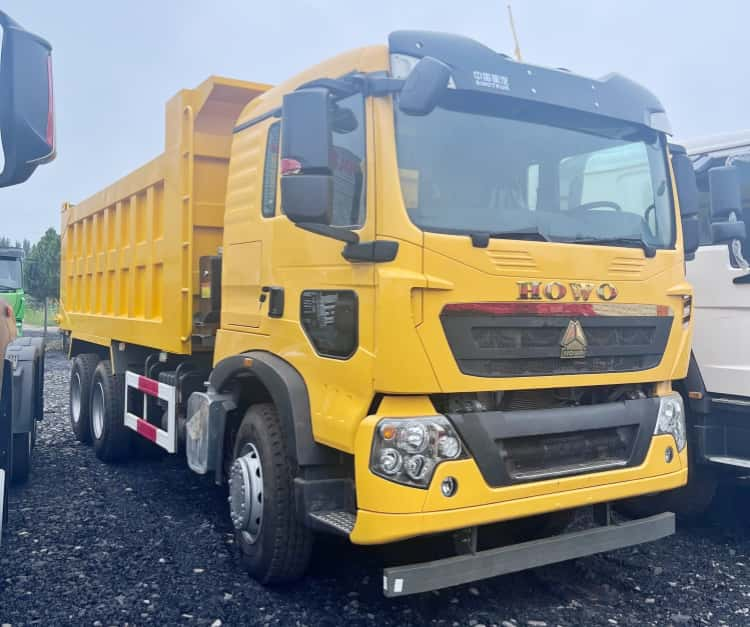
Flexible procurement helps you bypass new-vehicle import limitations
Many regions impose strict quotas, high import tariffs or long clearance timelines for brand-new heavy chassis. When cross-border freight demand spikes, waiting for new trucks can mean losing contract opportunities.
Certified reman cores are sourced and processed locally or within regional supply networks, with shorter lead times. REMAN ROAD certified reman units are classified as remanufactured assets rather than brand-new OEM goods in many jurisdictions, which can carry different import treatment. This flexibility lets you scale fleet capacity quickly when freight rules and market demand shift, without being locked into the long supply chains and regulatory bottlenecks for new trucks.
Clear duty classification supports compliance with local load and operation codes
Cross-border routes often span multiple jurisdictions, each with separate limits on axle load, vehicle weight, brake performance and off-road eligibility. Misclassification is a common reason for fines and detention.
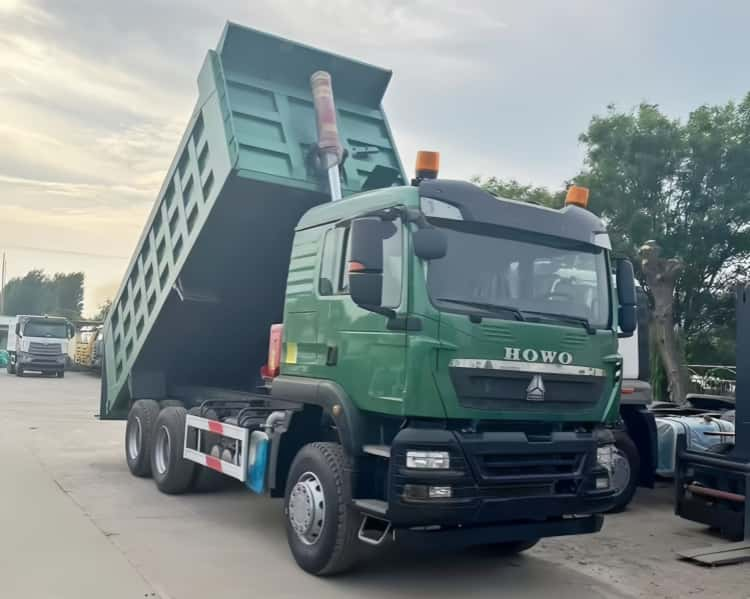
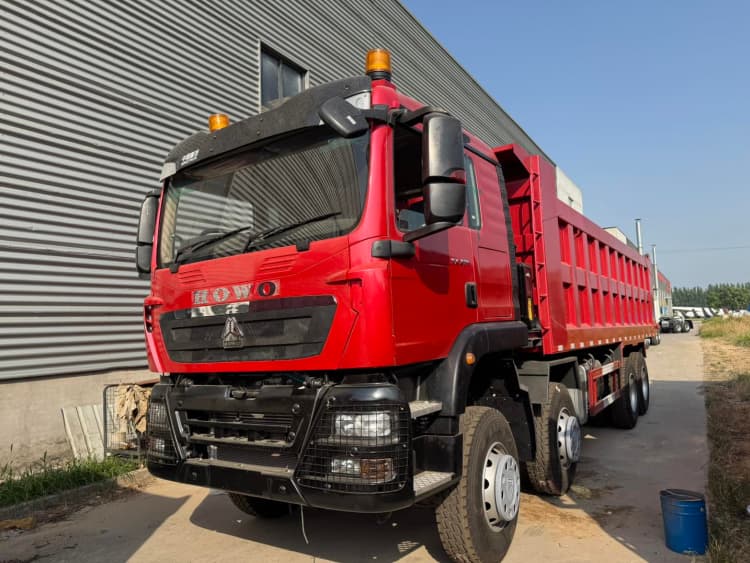
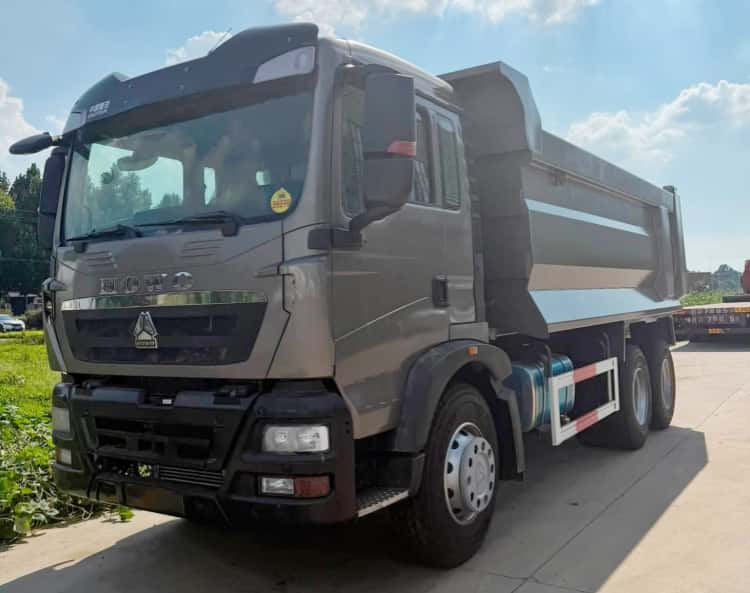
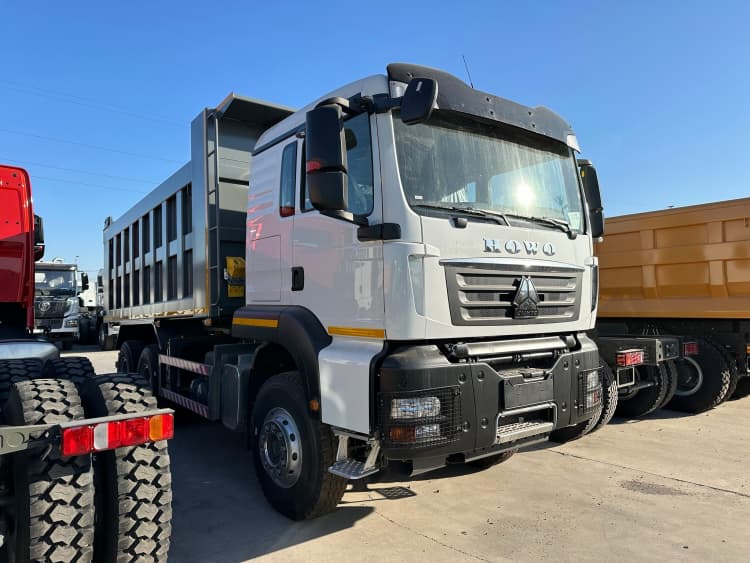
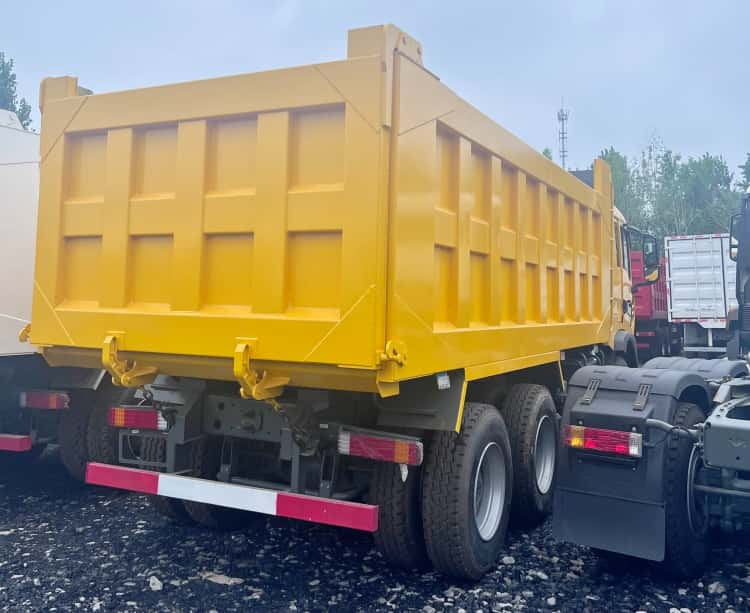
Before release, every REMAN ROAD reman truck is assigned a formal duty classification: highway long-haul tractor, quarry dump truck, port shuttle unit and so on. This classification is recorded in the traceability file, paired with tested load limits and performance thresholds. Your dispatch and compliance teams can match the truck to permitted work in each territory, and show border officers proof that the vehicle was built and tested for its declared operating profile. This lowers the risk of penalties when local freight rules change suddenly.
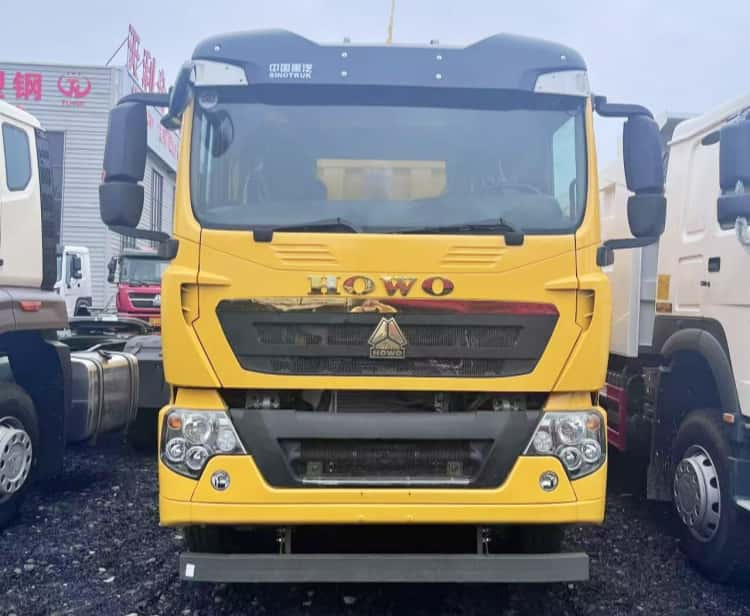
Audit-ready files simplify supplier pre-qualification for international cargo clients
Global commodity shippers and cross-border cargo principals regularly update their supply chain compliance requirements. They may ban fleets using unvetted used trucks, requiring formal proof of vehicle safety and maintenance before awarding haul contracts.
REMAN ROAD traceability records satisfy these supplier due-diligence checks. You can submit the full inspection and audit package quickly to renew or retain cross-border haul approvals. Competitors running uncertified used fleets often struggle to compile acceptable documentation when client rules are revised, leaving you with a more stable commercial position in volatile cross-border markets.
Lower financial exposure when regulatory shifts create stranded assets
Sudden rule changes can render certain vehicle models non-compliant, leaving fleets with assets that cannot cross borders. New trucks represent a huge sunk capital loss if they become ineligible.
REMAN ROAD reman trucks require less upfront capital. Their traceability and standardised build also make them easier to reallocate to domestic routes or resell to operators in regions with less restrictive rules. This creates a safety buffer: you retain operational flexibility without the severe depreciation risk tied to newly purchased heavy trucks.
Important guardrail
Reman traceability does not guarantee automatic approval across every border. Local customs, transport and environmental rules remain jurisdiction-specific. Your compliance team still needs to review current import and roadworthiness requirements for each transit country and carry required local registration documentation. REMAN ROAD records are supporting evidence, not a replacement for local regulatory paperwork.
Final Takeaway
Fluctuating cross-border freight rules reward fleets that can prove compliance quickly and adjust capacity flexibly. For fleet operators, the key takeaway is simple: REMAN ROAD certified reman units deliver consistent, traceable quality evidence and faster procurement, helping you minimise border delays, avoid detention and keep cross-border haul operations running amid changing regulation.