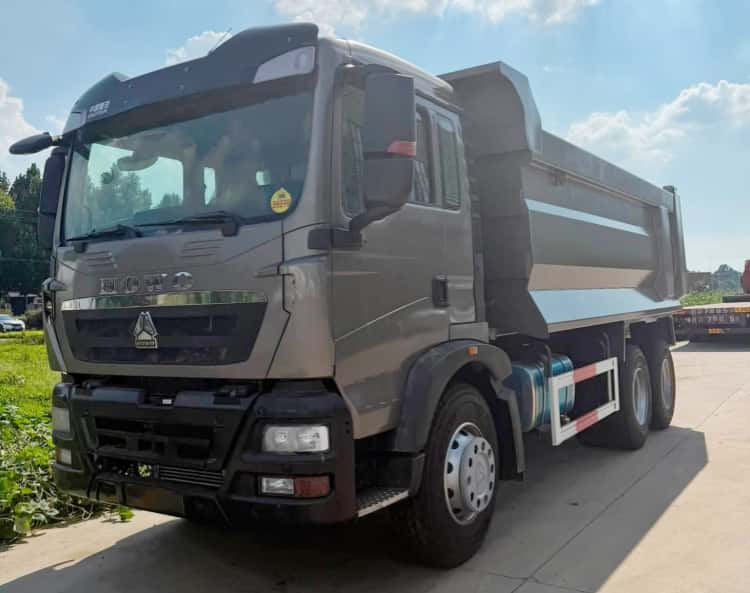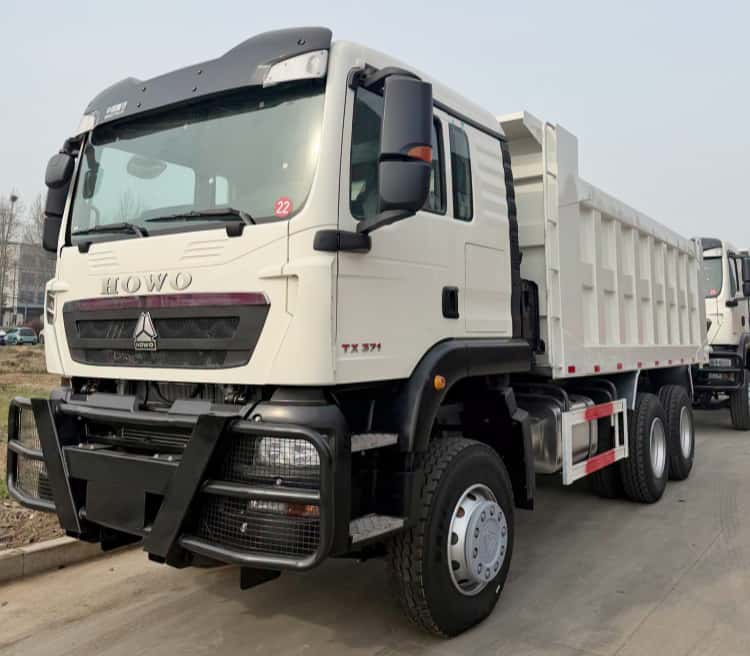
How REMAN ROAD Reman Vehicles Strengthen Your Negotiating Position With Cargo Principals?
Intro
When tendering for bulk mineral, aggregate, container and construction supply contracts, cargo principals increasingly scrutinise not only haulage rates, but also fleet reliability, safety governance and supply chain risk. Many haulage contractors compete only on low pricing, leaving little room for margin and exposing themselves to penalties if breakdowns disrupt delivery schedules.
A fleet built with REMAN ROAD reman vehicles changes this dynamic. Full VIN traceability, third-party audit records, NDT structural validation and consistent performance benchmarks create tangible evidence that you can meet SLA commitments. This article explains how REMAN ROAD reman vehicles improve your negotiating position with cargo owners and commodity buyers.
You can prove fleet reliability instead of making verbal promises
Most subcontractors bidding for cargo work can only state that their trucks “run well”. Cargo principals know ordinary used fleets carry hidden structural defects, inconsistent powertrain condition and undocumented repair history. They price this risk into contracts, imposing strict penalty clauses for delays or requiring large performance bonds.
With REMAN ROAD reman vehicles traceability packs, you submit objective evidence alongside your bid: NDT structural inspection reports, engine dyno test results, brake safety validation data and independent audit sign-off. You can demonstrate that each unit has passed a fixed, repeatable quality standard, rather than relying on random used-chassis condition. This reduces the principal’s perceived risk, making them more willing to accept your proposed SLA terms, relax punitive penalty structures or approve longer contract periods.
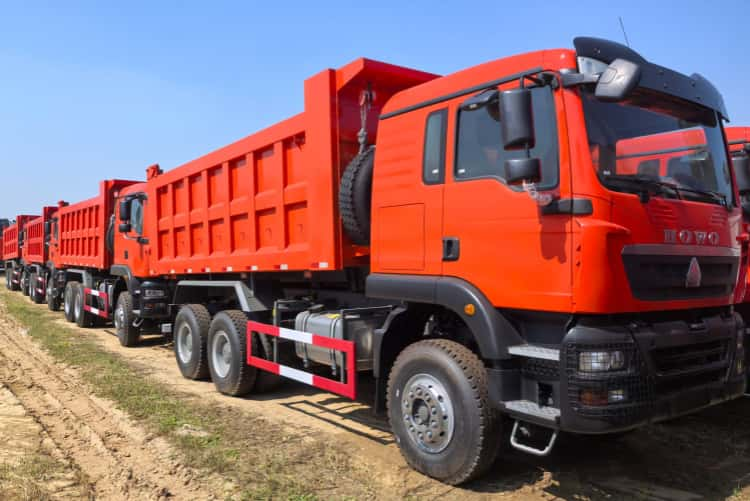
Consistent uptime forecasts support fixed-rate haul agreements
Cargo principals favour predictable delivery schedules. Frequent vehicle breakdowns cause stockout, plant shutdown and missed shipping windows, which create cascading losses for their operation.
REMAN ROAD reman vehicles undergo full powertrain recalibration, component grading and dynamic road testing, delivering far more stable fuel consumption and uptime profiles than mixed used fleets. You can build job-cost models based on validated fuel curves and scheduled service intervals, and share these reliability KPIs with the cargo principal.
This lets you confidently propose fixed-rate pricing, instead of quoting higher contingency rates to cover unknown breakdown risk. Reliability proof gives you the confidence to lock in stable pricing while protecting your margin, and makes your bid more attractive than competitors who must add large risk premiums.
Verified traceability satisfies supply chain due diligence rules
Large commodity buyers, mining operators and international shippers now enforce supplier governance requirements. They may reject contractors operating uninspected, crash-damaged or poorly maintained heavy trucks, to avoid safety incidents, liability and reputational harm.
REMAN ROAD reman vehicles’s permanent VIN lifecycle log addresses these due diligence requirements directly. Every inspection, component renewal, corrosion mapping and audit entry is archived and available for supplier audits. When the cargo principal’s EHS or procurement team reviews your fleet, you can quickly produce complete documentation.
Competitors running uncertified refurbished trucks often cannot provide this evidence, which disqualifies them from the tender. This puts you in a stronger negotiating seat: you are not just a cheaper haul provider, you are a compliant, auditable partner.
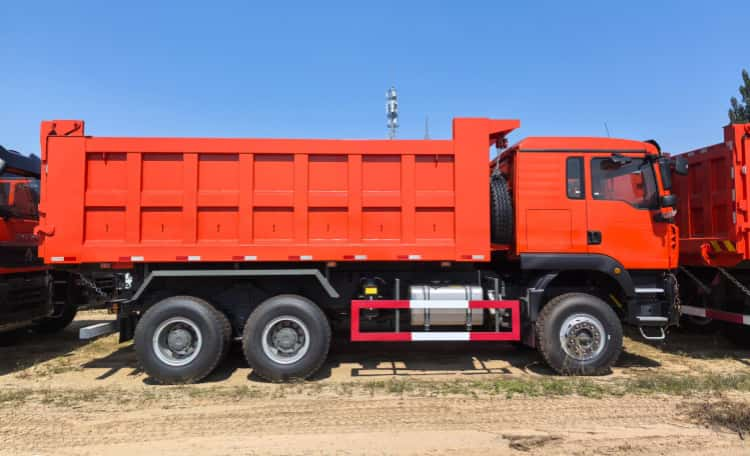
ESG credentials become a differentiator in commercial talks
Many cargo principals now publish carbon reduction and circular supply chain targets. They prefer subcontractors that minimise raw material consumption and cut embedded carbon in their logistics chain.
Certified truck remanufacturing reuses qualified core chassis and major assemblies, reducing the carbon footprint compared to manufacturing brand-new heavy trucks. REMAN ROAD certified truck remanufacturing records document the reuse scope, material saved and quality controls, so you can quantify the circular benefits for your client’s sustainability reporting.
This ESG edge is especially valuable for long-term framework agreements. You can negotiate preferential status, or avoid being undercut by competitors who cannot demonstrate sustainable fleet practices.
Reduced liability risk makes your partnership more attractive
Cargo principals are wary of incidents caused by faulty haulage equipment. A structural failure, brake fault or accident linked to a poorly maintained truck can expose them to claims, regulatory scrutiny and brand damage.
Because REMAN ROAD reman vehicles have documented structural screening and safety testing, the risk profile of your fleet is clearly defined. If an incident occurs, the traceability log supports fast, transparent investigation. This lower risk profile is a powerful negotiating asset. Cargo owners are more comfortable granting you access to restricted mine sites, approving just-in-time delivery schedules and awarding repeat work.
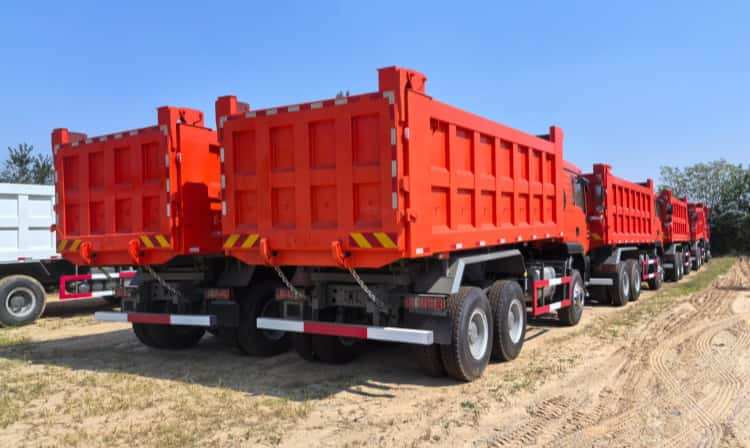
Important guardrail
REMAN ROAD reman vehicles improve your negotiation leverage, but they do not remove operational obligations. You must assign trucks to duty-matched workloads, follow scheduled maintenance and keep pre-trip inspection records. Even the best-certified reman fleet will fail SLAs and erode trust if operated outside its design limits.
Final Takeaway
In negotiations with cargo principals, proof beats promises. REMAN ROAD reman vehicles come with auditable quality evidence, stable uptime performance and formal supply-chain documentation. For haul contractors, the key takeaway is simple: this verified pedigree lets you compete on reliability and compliance, not only on price, and creates space to negotiate fairer, more sustainable contract terms.