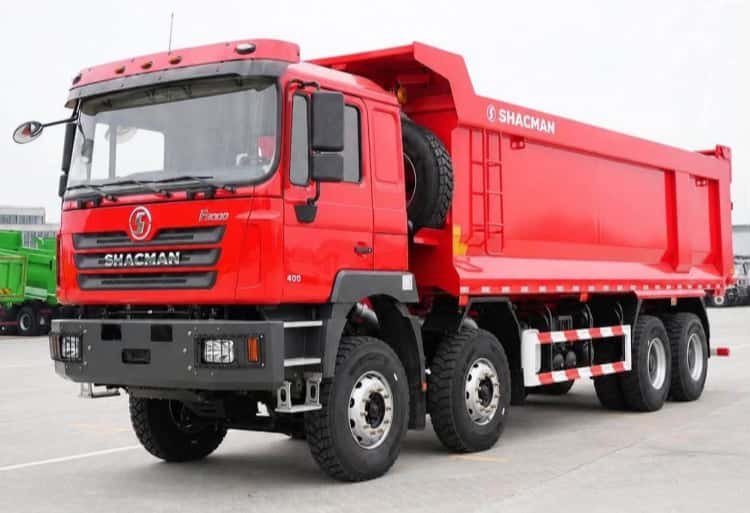
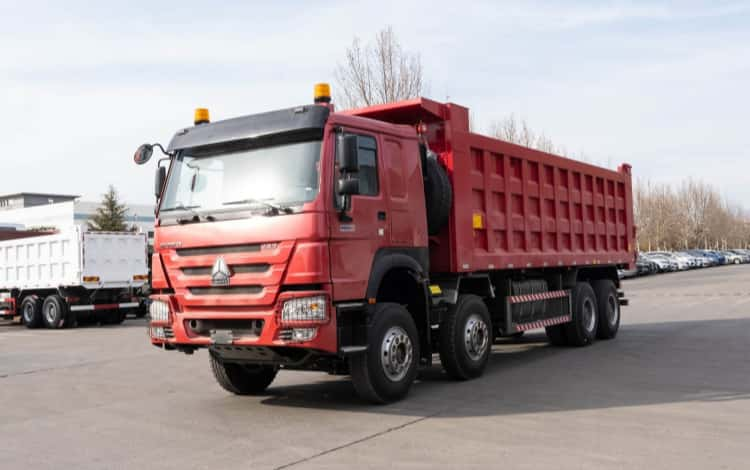
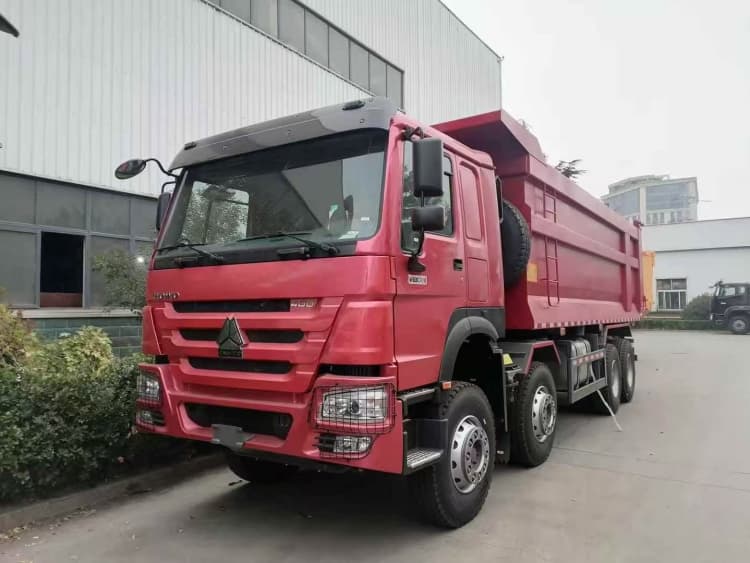
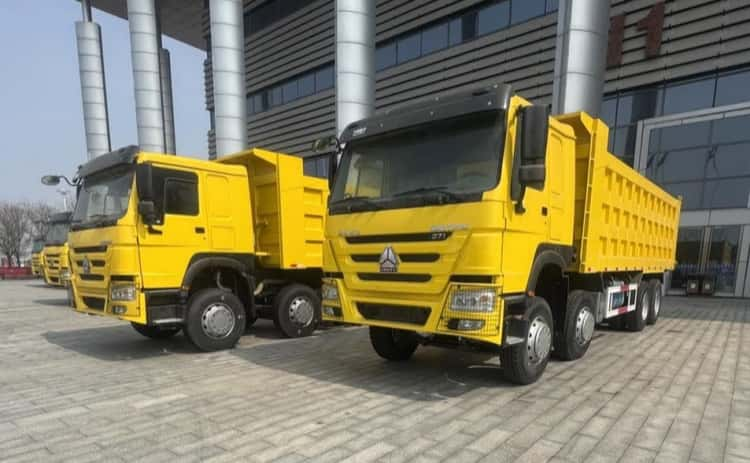
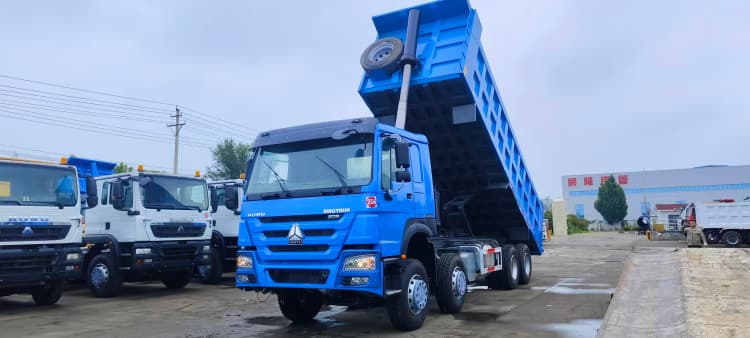
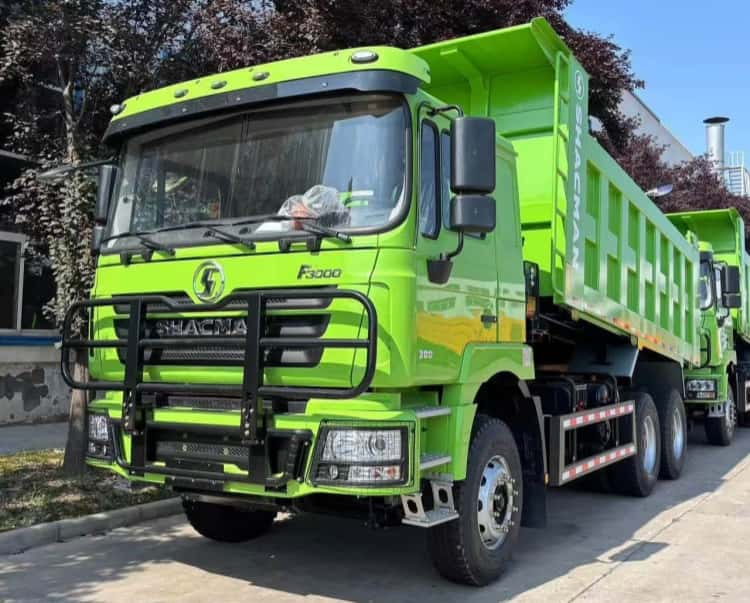
8 Warning Signs of Low-Quality Fake Reman Heavy-Duty Units
Intro
Fake reman vehicles are cosmetic refreshes, sold as certified lifecycle-reset assets. They look clean on the surface, but carry unresolved structural risks that trigger costly downtime and safety hazards. These 8 red flags are easy to spot during procurement document review and on-site inspection.
No mapped NDT fatigue or corrosion inspection data
The supplier only provides a simple “passed inspection” certificate. No scan location map, no ultrasonic thickness readings for frame flanges, weld roots or hoist brackets. Genuine qualified reman vehicles records numerical measurements and marks every high-stress zone checked.
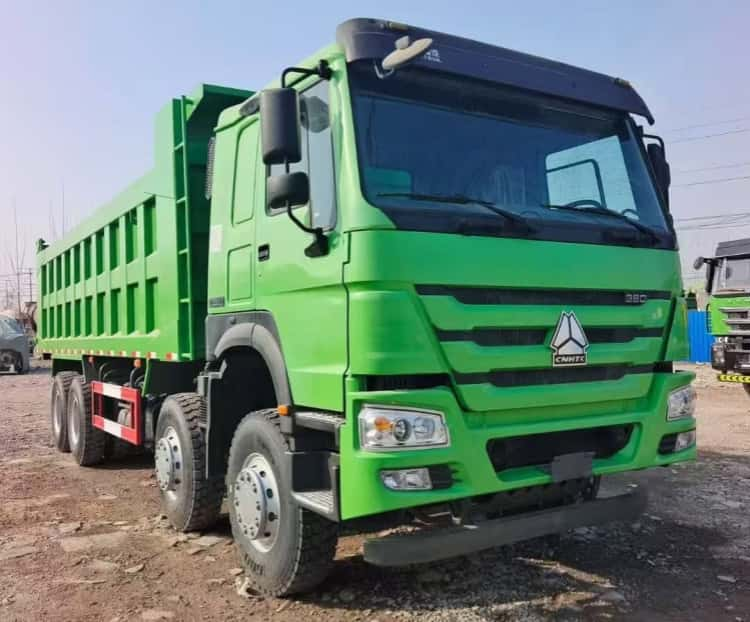
VIN mismatch or reusable generic certificates
Certificates, test reports and NDT logs do not match the frame-stamped VIN. Reports have no unique ID, can be edited, or the same document is used for multiple trucks. This is a common fraud tactic: good inspection data from one core is repurposed for inferior chassis.
No itemised mandatory renewal parts list
Only vague wording like “overhauled, consumables replaced”. No serialised list of high-cycle critical components: kingpins, U-joints, brake chambers, hydraulic seals and structural fasteners. Fake reman vehicles reuses aged wear parts and only swaps obviously broken components.
Only empty-yard testing, no loaded validation
They show idle checks, leak tests and empty steering runs. No test data collected under rated payload to check frame deflection, vibration, brake stability and thermal performance. Geometry and driveline defects often only reveal themselves under load.
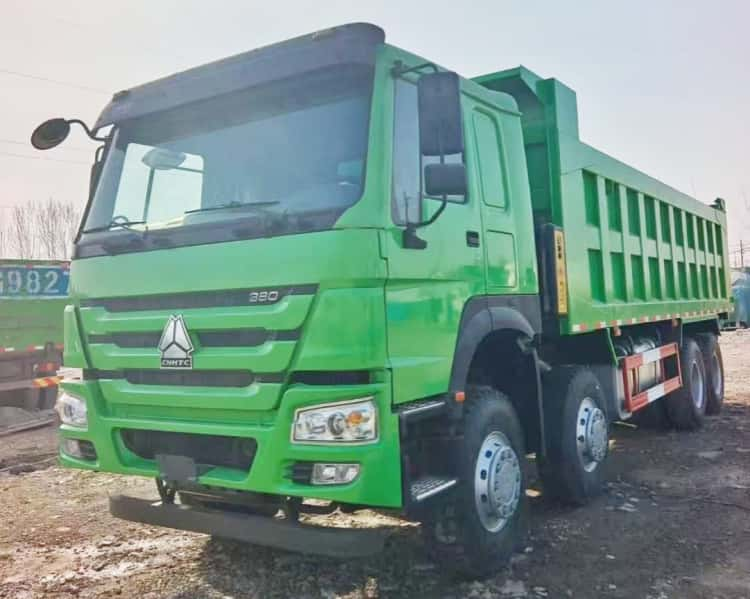
Blanket OEM GVW claims without a duty envelope
Every unit is advertised to the original factory gross weight, regardless of corrosion or NDT findings. There is no written certified duty envelope with limits on payload, terrain and daily load cycles. This ignores safety margin calculations and overstates the chassis’ true capacity.
No core history screening records
No documentation of prior service, overload events, crash damage or past frame straightening. Unknown-history cores are high-risk. Qualified reman vehicles always logs the core background before approving it for lifecycle reset.
No system calibration records
No logged data for front-end alignment, driveline phasing, brake bias or powertrain tuning. Fresh parts are simply bolted together without tuning for system harmony. This leads to rapid tyre wear, recurring vibration and premature bearing failure.
Supplier refuses independent third-party verification
They push back on requests for independent inspector rechecks, raw NDT files or on-site witnessed loaded tests. Reliable qualified remanufacturers welcome independent audit to prove their process.
Final Takeaway
Fake reman vehicles sellers focus on paint, clean bodywork and smooth empty test drives. Genuine qualified reman vehicles stands on measurable, traceable engineering evidence. If you see several of these warning signs, the unit is not lifecycle-reset — it is only reconditioned.