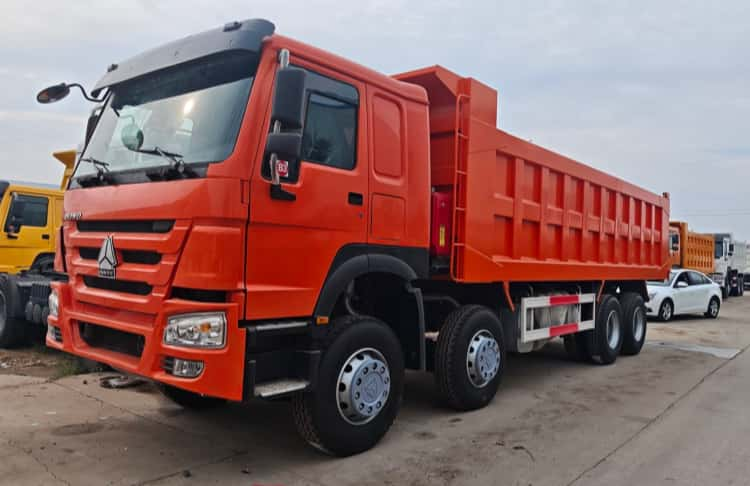
Core Specifications You Must Verify When Buying Reman Truks
Intro
Price and appearance are the easiest details to compare. But they do not tell you whether the heavy reman truk matches your fleet’s route, load and cycle requirements. Many buyers only review engine power and axle ratio, and overlook structural, geometric and fatigue-related core specifications.
These hidden specs define the asset’s safety margin, uptime performance and residual value over its second lifecycle. For REMAN ROAD certified reman truks, every spec is tied to inspection data and stored in the VIN traceability bundle. Skipping these checks means you risk buying a truck that looks suitable on paper, but cannot reliably handle your working conditions.
Verified chassis identity and original factory specs
Start with the VIN and the base OEM specification of the incoming core. Confirm the VIN on the frame stamp matches the VIN on all reports, certificates and test logs.
Cross-check the original factory build data:
- Original chassis model, wheelbase and frame material grade
- Factory designed GVW and structural load path layout
- Original suspension type, spring rating and axle capacity
- Original powertrain family, engine emission tier and ECU variant
This step catches two common frauds: A seller repurposes a lighter-duty chassis, labels it as a heavy-duty model. Or they swap a powertrain from a different vehicle without adjusting chassis limits.
The reman duty envelope can never exceed the fundamental structural limits of the base chassis material.
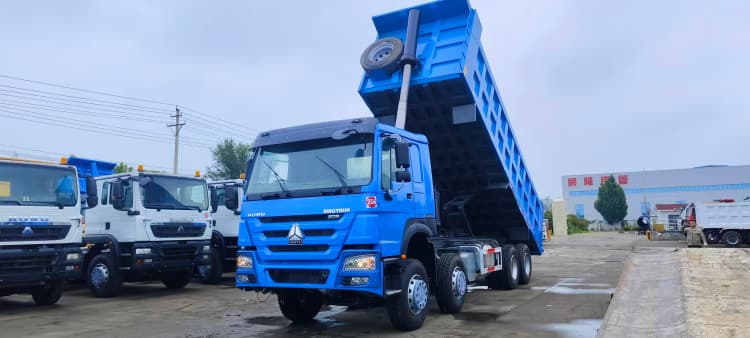
Structural core specs from NDT and corrosion inspection
These are the most non-negotiable structural specifications. They determine the available safety margin.
Ask for recorded values for:
- Frame rail minimum wall thickness at high-stress zones
- Location and depth of corrosion pits on flanges, weld roots and crossmember joints
- NDT scan results for frame welds, steering knuckles and axle housing load paths
- Confirmation of no propagating fatigue cracks in critical load paths
These readings are not generic pass/fail stamps. They are the raw inputs that decide the maximum safe payload and off-road cycle limits. A truck with thinner residual steel will carry a tighter duty envelope, even if all new wear parts are installed.
Chassis geometry and alignment specifications
Geometry defines how evenly load and vibration travel through the frame and steering system. Visual inspection cannot detect subtle twist, offset or axle misalignment.
Verify these measured values:
- Frame twist and longitudinal straightness
- Axle squareness and centreline offset
- Front-end caster, camber, toe and kingpin inclination (loaded-state readings)
- Suspension saddle height and spring seat condition
If geometry is outside the accepted baseline, the truck will suffer uneven tyre wear, steering wander and accelerated fatigue stress, regardless of new steering or suspension components.
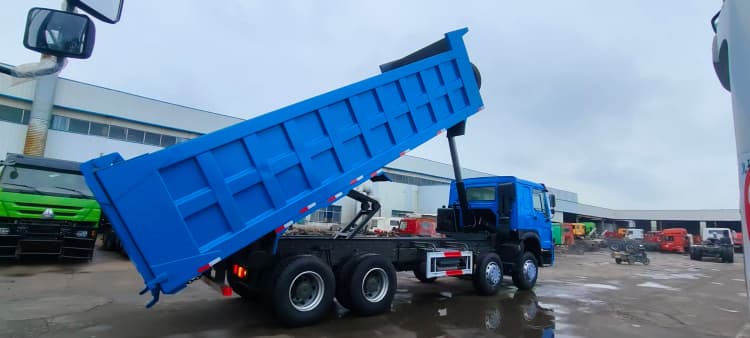
Powertrain and driveline core specs
Powertrain specs are not just peak horsepower. You need to confirm they are calibrated to this exact chassis.
Key items to validate:
- Engine serial number, teardown inspection logs and NDT reports for crankshaft/block
- Rated power, torque curve and continuous operating limit (not only peak rating)
- Transmission model, gear set condition and bench test data
- Final drive axle ratio and carrier inspection records
- Driveline working angles, phasing and loaded vibration test results
A high-power engine fitted into a chassis with reduced structural margin creates a dangerous mismatch. The powertrain may perform perfectly on the bench, but overload the frame under sustained heavy cycles.
Mandatory renewal component list
This is the specification list of parts replaced by rule, not optional overhaul items. These are the high-cycle components that cannot retain their original fatigue life.
Confirm the documented list includes:
- All seals, gaskets and hydraulic sealing elements
- Bearings, kingpin bushings and thrust washers
- Tie rod ends, ball joints and friction brake components
- U-bolts, fasteners and other fatigue-critical fasteners
A supplier who cannot provide this list is likely reusing wear parts that are due to fail early. This is one of the clearest dividing lines between certified reman truks and simple reconditioning.
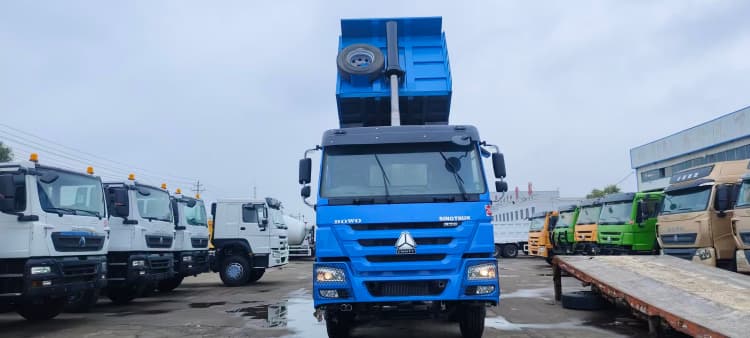
Certified duty envelope specification
This is the operating specification generated from all structural inspection data. It is the legal and engineering limit for the truck’s second life.
It must clearly state:
- Maximum allowable gross payload
- Approved terrain type: highway only / mild off-road / heavy quarry / mining
- Maximum daily tipping or load cycles
- Continuous high-load operation time limits
- Mandatory re-inspection interval for high-stress welds
Do not accept a blanket “OEM rated” claim. The duty envelope must align with the thickness, NDT and geometry findings of this specific chassis.
Brake, hydraulic and auxiliary system specs
Braking and hydraulic performance must be matched to the rated payload of the reman truks.
Check:
- Air or hydraulic brake chamber size, brake bias and stopping distance under full rated load
- Steering assist pressure range and return-to-centre performance
- Tipper hydraulic circuit pressure setting, relief valve calibration and leak test data
- Cooling system capacity and thermal stability under loaded sustained operation
Many reman truks builds only replace leaking hydraulic parts, without recalibrating pressure and bias to the final duty envelope.
Traceability and test specification records
Specifications are meaningless without proof they were measured and validated.
Confirm the file bundle includes:
- Full teardown confirmation records
- Raw NDT scan files and location mapping
- Loaded final test data (deflection, vibration, temperature, brake performance)
- Inspector accreditation and report ID
- Storage trail that links all specs permanently to the VIN
Photos, empty-yard startup videos and cosmetic shots do not count as specification verification.
Common specification mismatches to watch out for
- High advertised GVW, paired with corrosion readings that support only a lower payload
- A mining-duty marketing label, but no off-road cycle approval in the duty envelope
- New heavy-duty powertrain fitted into a chassis with unknown crash or overload history
- Axle ratio changed without updating speed, torque and cooling calibration
- Steering alignment recorded only empty, with no loaded geometry logs
Quick audit checklist for every reman truks
- VIN matches across frame, reports and certificates
- Frame thickness, corrosion and NDT readings are numerically recorded
- Frame and axle geometry measurements are documented
- Full mandatory renewal part list is provided
- Powertrain bench test and ECU calibration match this chassis
- Written certified duty envelope defines payload, terrain and cycle limits
- Loaded system validation test data is available
Final Takeaway
Buying reman truks is not just checking model and horsepower. You must verify the structural, geometric, powertrain and duty envelope core specifications derived from the bare chassis inspection.
These specs set the real safety margin, uptime potential and residual value of the asset. If a supplier cannot produce these verified specification records, you are buying a refurbished truck — not a rule-based, lifecycle-reset certified reman truks.