Fleet Asset Portfolio Optimization: Balance Capital Expense & Operation Cost
Intro
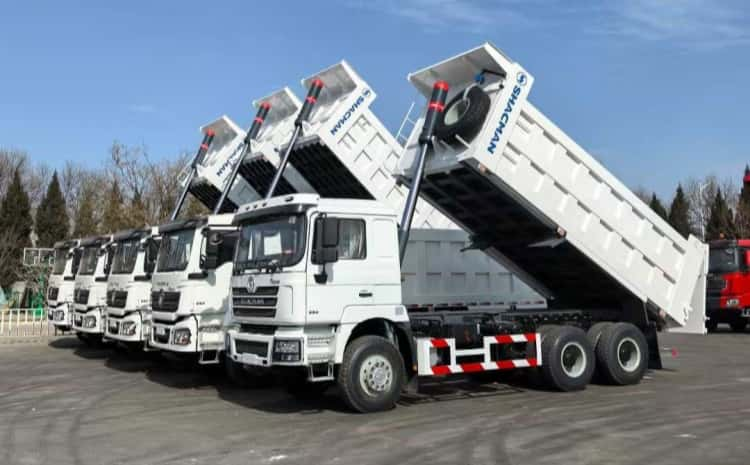
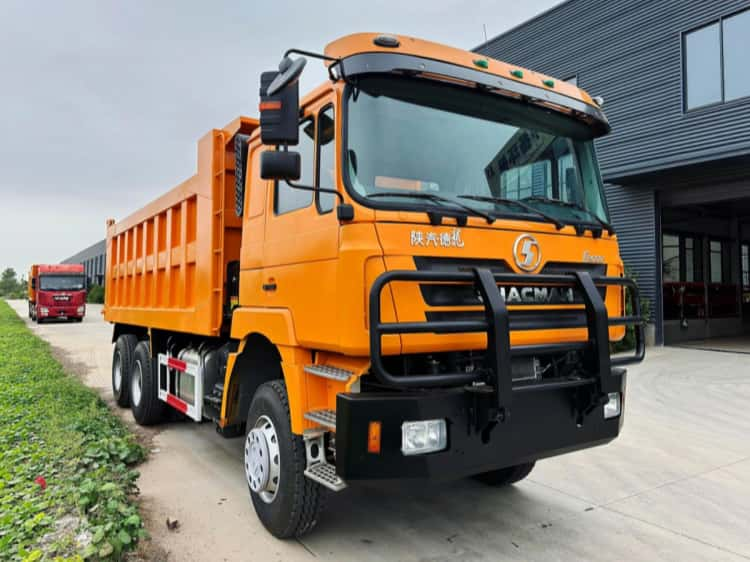
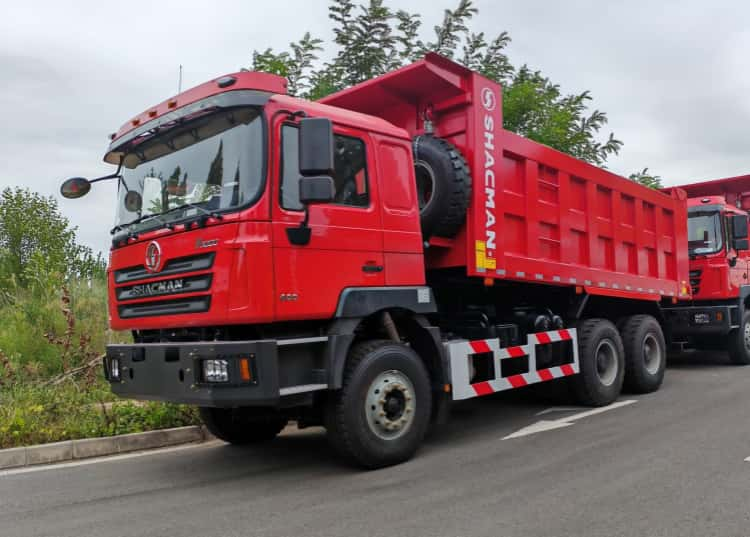
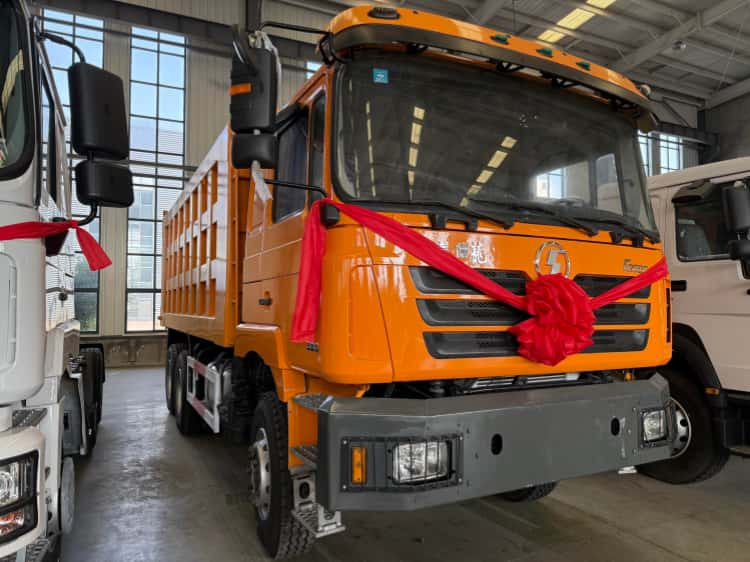
Fleet asset portfolio optimization is about building the right mix of vehicles, instead of relying on one single asset type. Every fleet manager faces a permanent trade-off: large upfront capital spend can cut future repair risk, while low purchase cost often leads to volatile operational expenses. A well-balanced portfolio combines new trucks, standard remanufactured truck and carefully screened secondary assets, matching each vehicle grade to its workload. This balance controls both capex and opex, delivering steady, predictable financial performance over the long term.
The Core Trade-off: Capex vs Opex
- High capex assets (new trucks): Heavy initial investment, low early breakdown risk, stable fuel performance. But they carry steep depreciation and lock up large amounts of working capital.
- Low capex assets (ordinary used / basic refurbished trucks): Low entry price, but high and unpredictable opex. Emergency repairs, frequent downtime and rising fuel waste can quickly erase the initial savings.
- Certified standard remanufactured truck sit in the balanced zone: Moderate capital outlay, with controlled operational risk. They reduce the pressure on both sides of the equation.
Portfolio optimization does not chase the lowest capex or the lowest opex alone. It seeks the best combined TCO across the whole fleet.
Tier Your Workloads and Assign Matching Asset Classes
The foundation of portfolio balance is workload segmentation.
- Tier 1: High-margin, time-sensitive, non-stop core routes. Deploy new or premium low-mileage assets. Uptime is critical here; downtime penalties outweigh the higher capital cost.
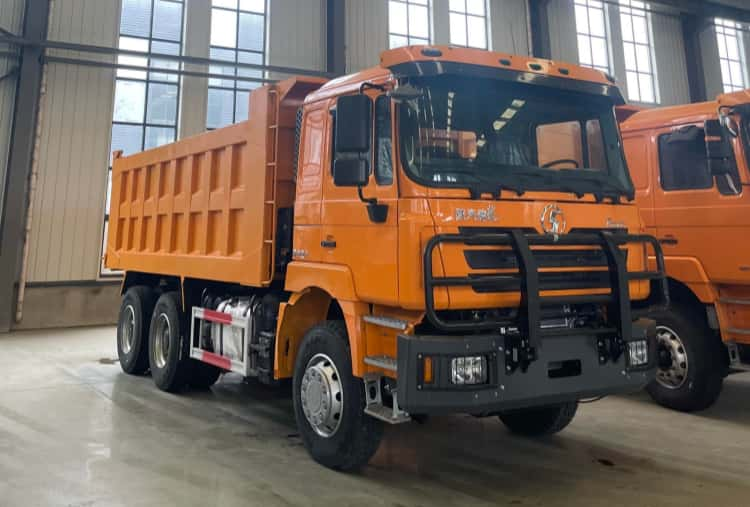
- Tier 2: Standard recurring haulage, quarry and construction shuttle work. This is the primary slot for standard remanufactured trucks. They deliver reliable performance at a far lower capital burden, with predictable maintenance and fuel behaviour.
- Tier 3: Low-margin, auxiliary, short-cycle site tasks. Use older reman or well-vetted second-hand units, with strict mileage limits and pre-set retirement triggers. Keep these assets away from high-revenue contracts.
This allocation prevents over-investing premium capital on punishing, low-return jobs, and avoids exposing core revenue streams to high-risk assets.
Stagger Asset Renewal Cycles to Smooth Capex
A common portfolio failure is batch renewal. Replacing dozens of trucks in one year creates a massive capital spike, strains cash flow and concentrates depreciation risk. With reman as a lifecycle extension tool, you can roll renewal forward gradually:
- Set a fixed annual renewal budget
- Each year, retire the most worn, uneconomical units
- Rebuild structurally sound chassis via certified reman instead of buying new replacements
- Spread purchases, reman projects and disposals evenly across years
The result is a flat, forecastable capex schedule, rather than periodic budget shocks.
Control Portfolio Mix Ratio
Every fleet needs a target mix suited to its business model. A typical balanced ratio for industrial fleets:
- 20–30% new / premium low-mileage trucks for critical contracts
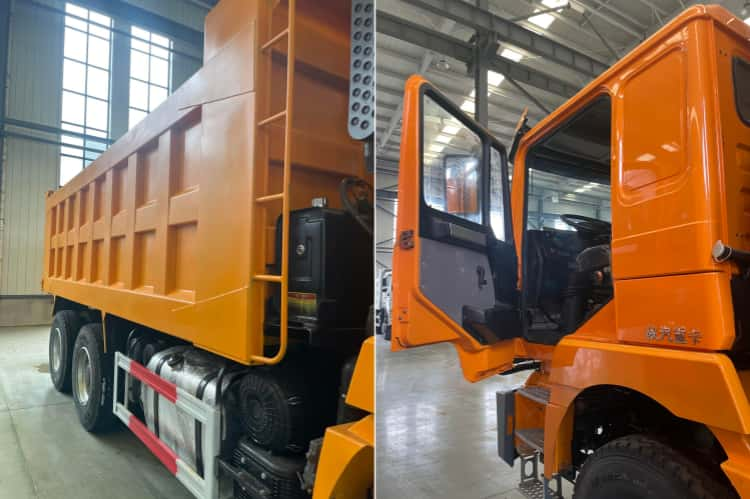
- 40–60% standard remanufactured truck as the workhorse core
- 10–20% screened older assets for auxiliary low-risk tasks
This ratio is adjustable. Fleets with tight cash flow and flexible delivery schedules can increase the reman share. Operators with zero tolerance for downtime will raise the proportion of new premium units. The key is to avoid an all-used or all-new portfolio. Both extremes create financial vulnerability.
Standardise Reman Specs to Stabilise Opex
If your standard remanufactured truck follow one unified REMAN ROAD standard, your portfolio gains secondary operational benefits:
- Shared spare parts inventory, reducing stocking complexity and part costs
- Consistent service intervals and similar failure patterns
- Unified technician training and diagnostic procedures
Mixed, non-standard rebuilds create a fragmented portfolio with unpredictable maintenance bills, which breaks the balance between capex and opex.
Use Residual Value as a Portfolio Lever
Residual value shapes the true cost of each asset.
- New trucks lose value quickly; their residual value is sensitive to market cycles and emission rule changes.
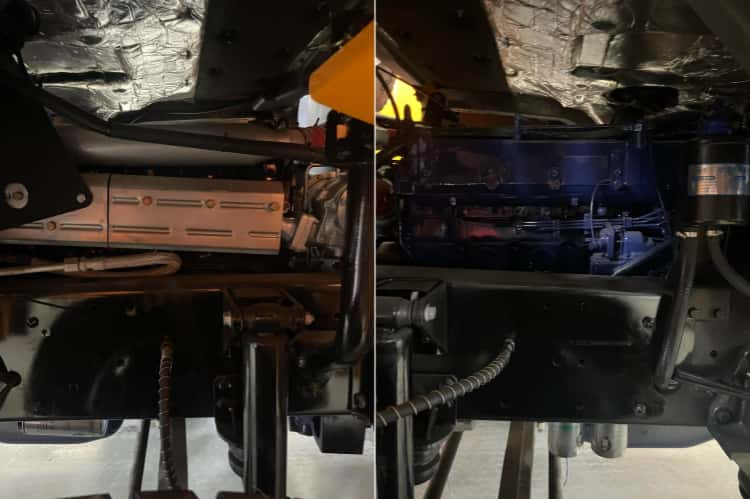
- Certified standard remanufactured trucks have a stable value floor supported by test records and certification.
When rotating assets out of the portfolio, documented remanufactured truck return more capital back into your renewal budget, which can be recycled into new purchases or further reman work.
Dynamic Portfolio Review
Optimization is not a one-time setup. Review the portfolio regularly:
- Track TCO per vehicle group
- Flag assets whose maintenance or downtime costs exceed thresholds
- Adjust the mix if business changes: new high-value contracts, expanded site operations, tightening cash flow
If remanufactured truck begin to age and repair costs climb, move them down to tier 3 work or schedule disposal.
Risks That Break the Balance
- Labelling uncertified partial rebuilds as reman, adding hidden opex risk to the portfolio
- Overloading remanufactured trucks on tier 1 critical routes
- Holding assets past their economical service life to delay capex
- Ignoring local compliance and emission rules that restrict certain asset types
Final Takeaway
Fleet asset portfolio optimization balances capital expense and operating cost by mixing asset grades and matching them to workload risk. Certified standard remanufactured trucks are the flexible centrepiece of this strategy: they limit the need for huge new-truck capex while avoiding the volatile opex that comes with cheap unvetted used trucks. A thoughtfully structured portfolio stabilises cash flow, controls depreciation risk and delivers consistent TCO for the whole fleet.