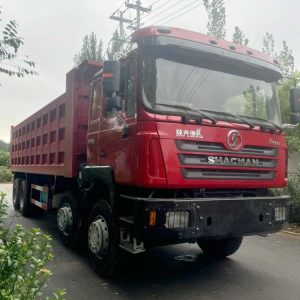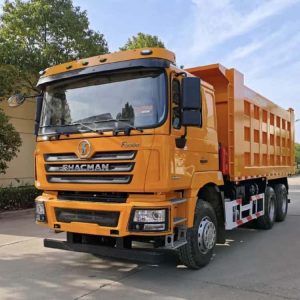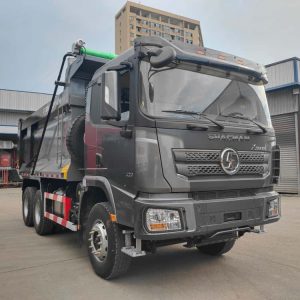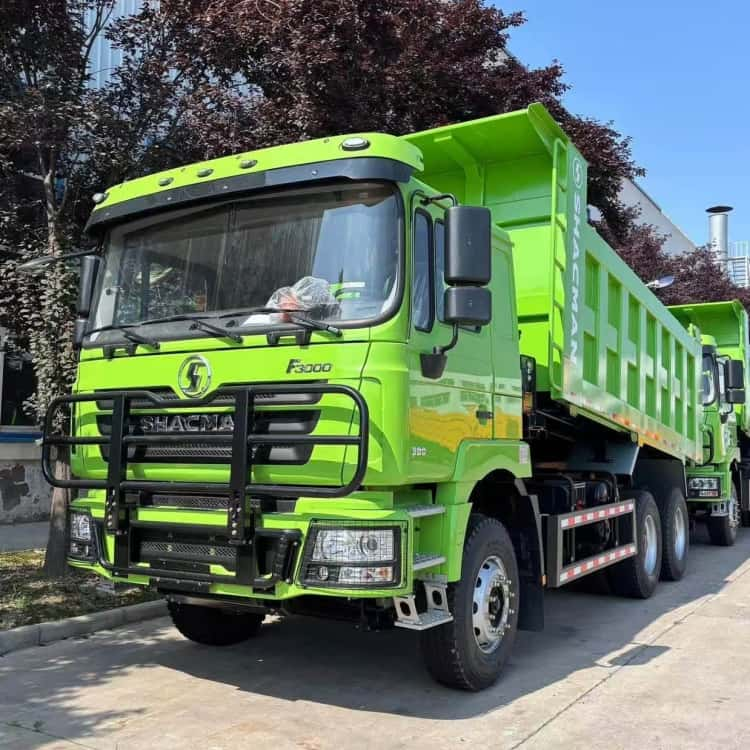
Reman SHACMAN F3000 380 6×4 Tipper Truck
Industrial remanufacturing offers a new procurement path for heavy transport. REMAN ROAD reman SHACMAN truck F3000 delivers balanced TCO and verifiable quality for global buyers.
Reman Tipper 6×4 Description
- REMAN ROAD reman tipper truck SHACMAN F3000 6×4 passes multi-stage functional verification after reassembly.
- Bench tests and simulated load road tests confirm power output, braking stability and lifting function.
- Every reman SHACMAN truck F3000 ships with a full reman file for buyers’ audit and asset management.
Specification Table
- Model Name: Reman SHACMAN Truck F3000 6×4
- Drive Form: 8×4; axle alignment inspected & recalibrated
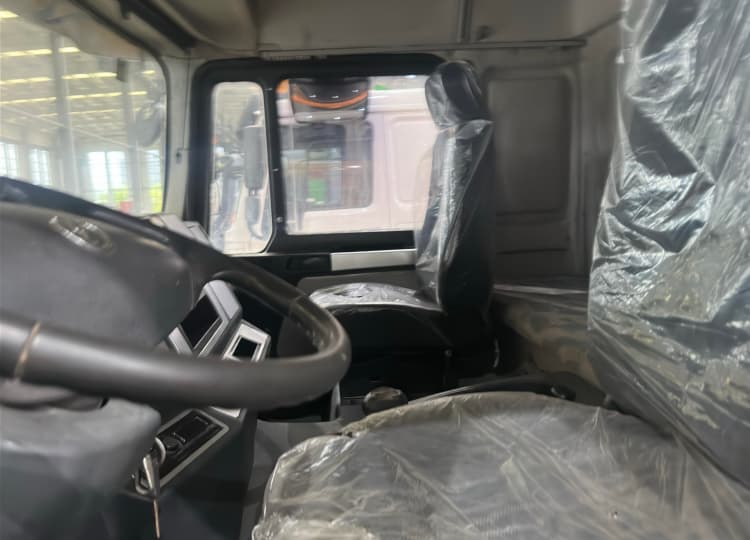
- Cab: SHACMAN F3000 cabin, reman overhaul, full electrical inspection & calibration
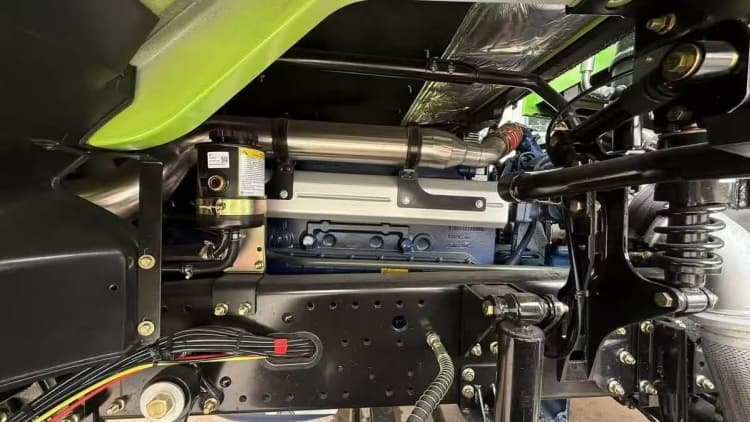
- Engine: Reman WEICHAI diesel engine, bench tested to rated power
- Transmission: Reman manual gearbox, worn bearings & gears renewed, performance tested
- Axle: Reman heavy-duty drive axles, oil seals and bearing refreshed
- Chassis Frame: NDT crack & fatigue inspection, qualified frames retained
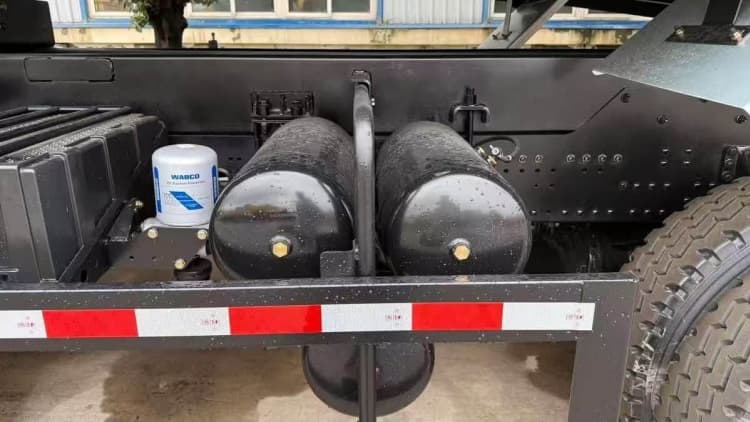
- Braking: Full air brake reman, air tightness and function test completed
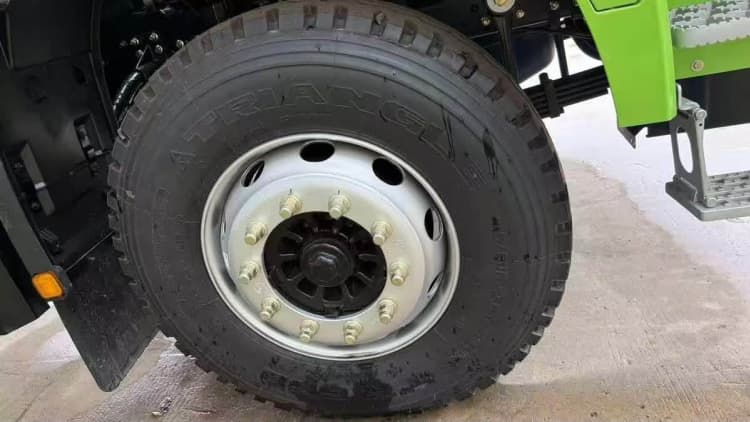
- Tires & Rims: Tire screening, damaged tires replaced; rim integrity inspection
- Fuel Tank: 400L steel tank. Internally cleaned, pressure leakage tested, corrosion treated
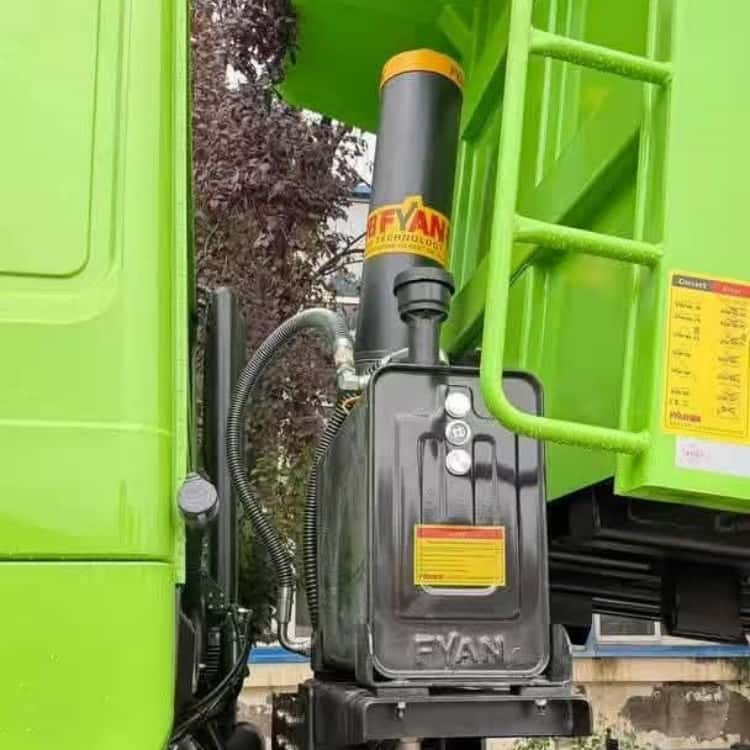
- Cargo Box: Reinforced tipper body, weld inspection, deformation & crack repair
- Hydraulic Tipping: Reman lifting cylinder & pump, repeated lifting cycle test
Truck Remanufacturing Process
- Base Vehicle Screening: Evaluate chassis integrity and mechanical condition; reject trucks with irreversible structural damage.
- Full Disassembly & Deep Cleaning: Strip vehicle into assemblies and remove oil sludge, rust and contaminants.
- Component Inspection & Sorting: Measure and test all parts, classify into reusable, regenerable or replaceable via NDT inspection.
- Component Regeneration & Replacement: Restore usable components; replace parts damaged beyond repair.
- Vehicle Reassembly: Reinstall regenerated and new assemblies to chassis, cabin, powertrain, hydraulics and cargo box.
- Bench Performance Testing: Run separate tests for engine, transmission, braking and hydraulic systems.
- Simulated Load Functional Test: Verify full vehicle performance under simulated working load.
- Final Inspection & Documentation: Complete quality check, compile full reman records and prepare delivery.
Overload Hazards for Reman Tipper 6×4
Many site fleets habitually overload dump trucks, creating serious safety and financial risks:
- Overload amplifies stress on chassis frame, axles, suspension and hydraulic lifting assembly.
- It accelerates brake wear, extends braking distance and raises risk of brake failure.
- Continuous overload creates hidden metal fatigue cracks that may suddenly fail during dumping.
- Damage caused by overloading will not be covered by REMAN ROAD reman quality commitment.
- Controlling payload within rated limit protects both driver safety and your long-term asset investment.
Reman Lead Time & Production Scheduling for Fleet Orders
Understanding reman production cycle helps fleet buyers arrange project vehicle procurement timeline:
- Every reman tipper 6×4 needs fixed workflow time: screening, disassembly, cleaning, inspection, regeneration, assembly and multi-stage testing.
- Bulk fleet orders can be scheduled in batches to match your project deployment timeline.
- We share production progress updates for your order during reman processing.
- Pre-order customization work such as cargo box reinforcement must be confirmed at the early production stage.
- Final inspection and documentation compilation is completed before shipment preparation.
RFQ
- Q1: Why do fleets with multi-site projects prefer batch reman tipper 6×4?
A1: Batch reman tipper 6×4 maintain consistent quality and aligned maintenance cycles. This reduces spare part stocking complexity and simplifies unified operation management across different job sites. - Q2: How to tell the difference between genuine reman and a truck that only got repainted?
A2: Genuine reman includes full disassembly records, component measurement data and independent performance test reports. Repainted trucks only improve appearance without deep component inspection or formal test documentation. - Q3: What are the most easily worn assemblies on reman tipper 6×4 during site work?
A3: Brake linings, hydraulic seals, tires and filter consumables are routine wear items. These normal consumables require regular replacement regardless of reman or new trucks. - Q4: Can reman SHACMAN truck F3000 operate in dusty mining or wet muddy construction sites?
A4: Yes. During reman, we renew sealing systems and inspect corrosion protection. The vehicle is suitable for dusty and muddy working environments with routine cleaning and maintenance. - Q5: How long does the full industrial reman cycle for a reman tipper truck SHACMAN take?
A5: The whole reman workflow follows standardized timelines, including screening, disassembly, component renewal, assembly and multi-stage testing. We can share production schedule for your order upon inquiry. - Q6: What risk does overloading bring to reman tipper truck SHACMAN?
A6: Overloading creates extra stress on frame, axles and hydraulic lifting systems. It accelerates metal fatigue, increases brake failure risk and will void reman quality commitment for overload-caused damage. - Q7: How does standardized reman help global fleets meet ESG assessment requirements?
A7: Reman reuse of heavy vehicle components reduces raw material demand and carbon emissions. We can provide resource-saving data for your company’s sustainability and ESG reporting.